
Last updated November 25, 2026
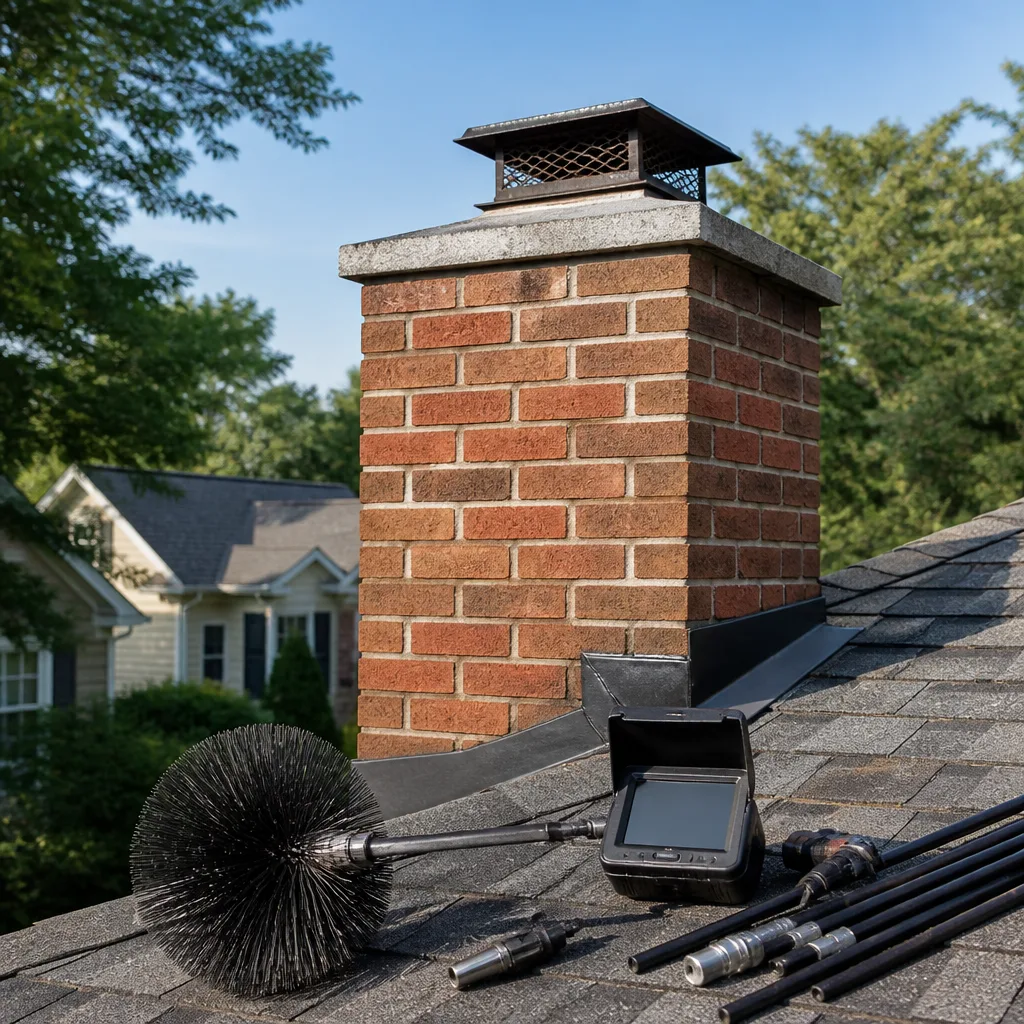 Sweep & inspection
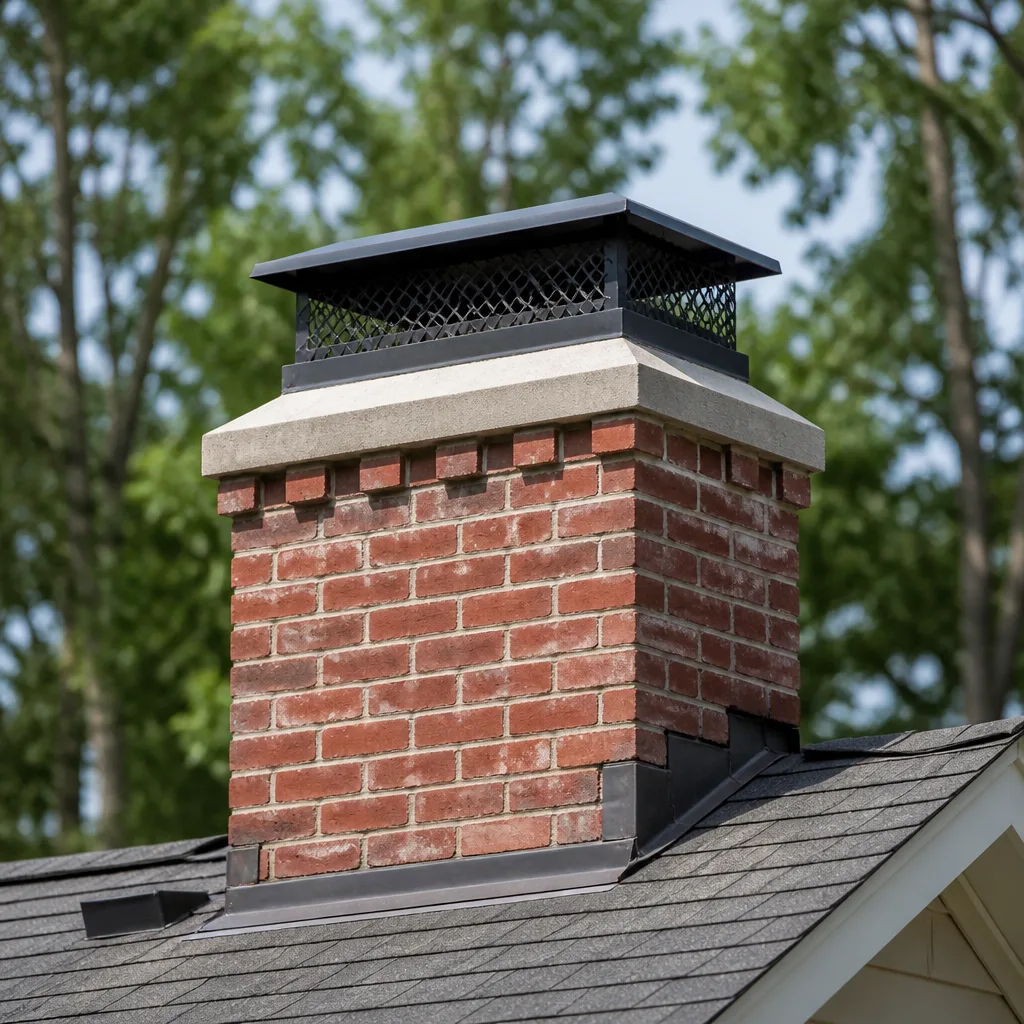 Caps & crowns
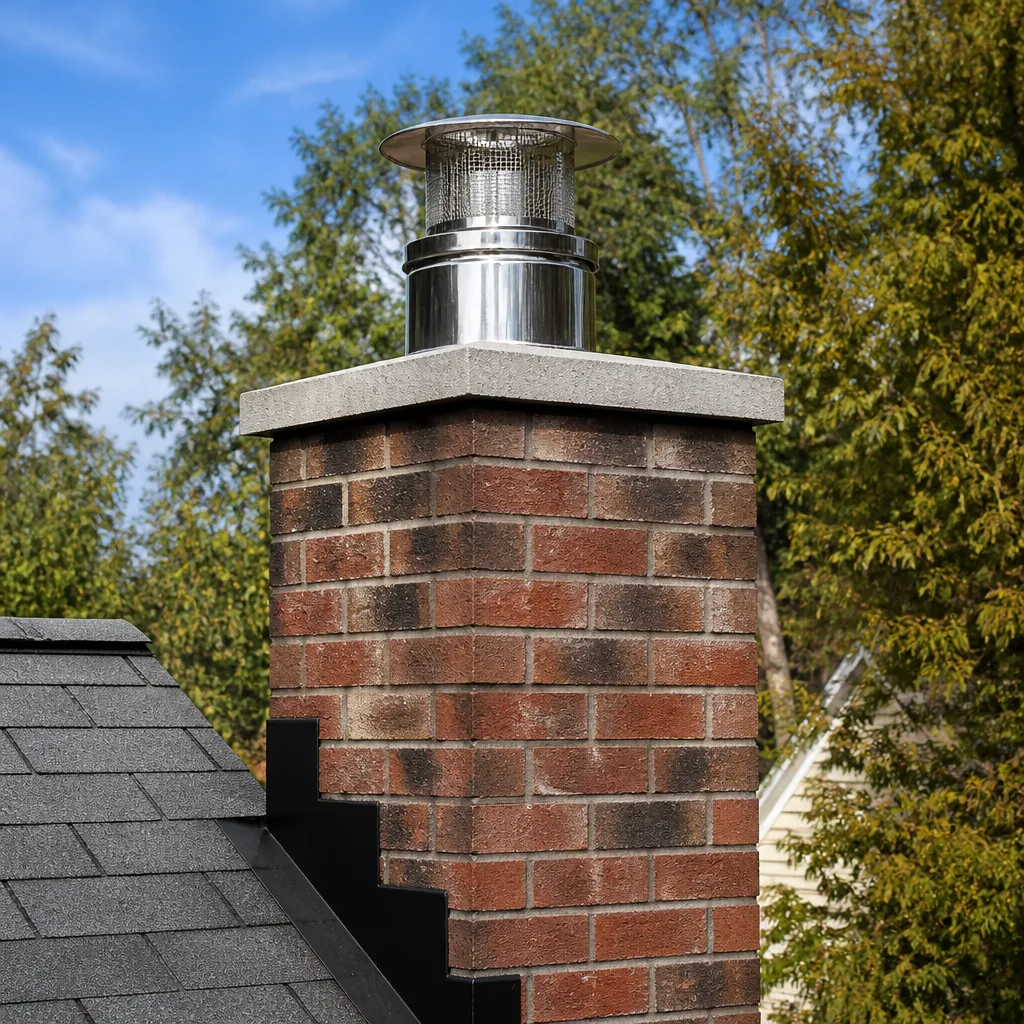 Flue relining
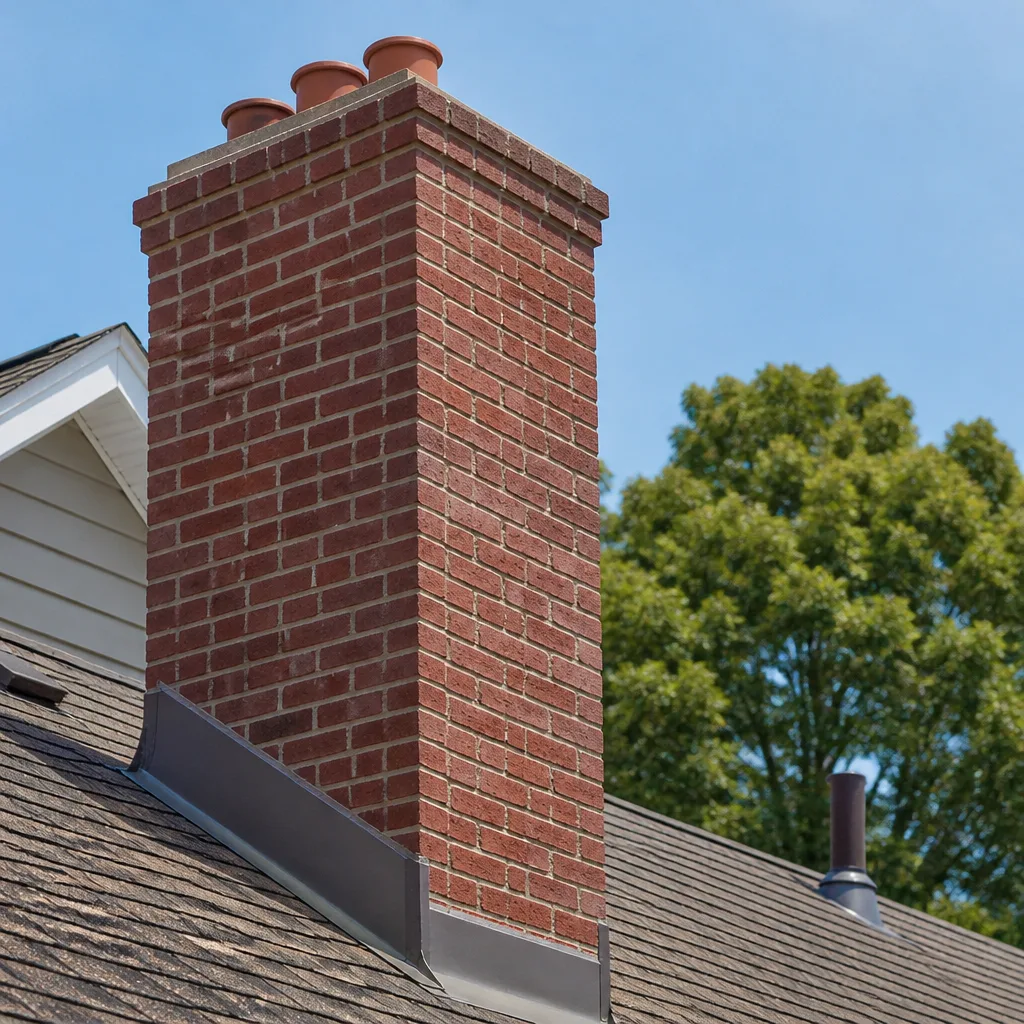 Masonry repair
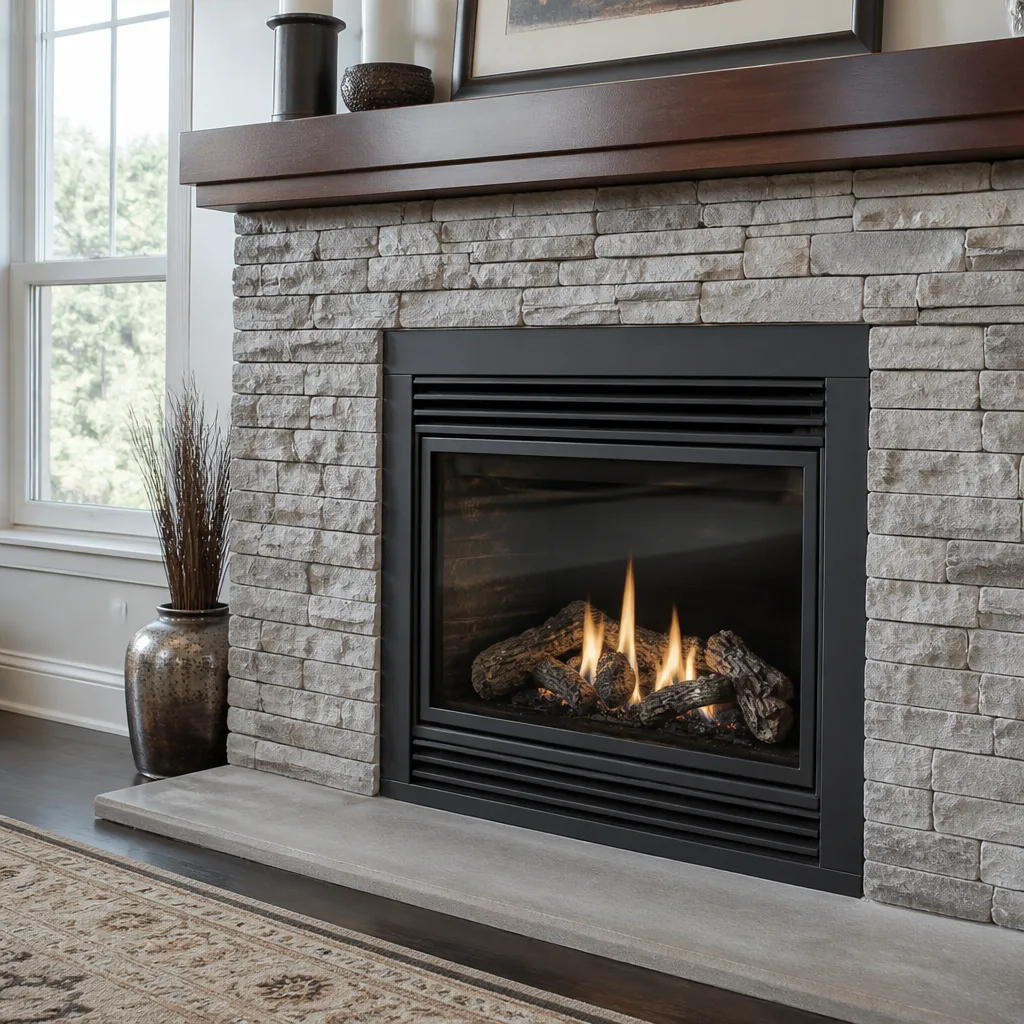 Gas fireplace service
Level 1 sweep and inspection to the NFPA 211 annual standard - flue, crown, cap, and flashing checked and photographed
Chimney sweep logs do not sweep chimneys. They loosen some creosote - which then falls where a brush and vacuum still have to collect it.
Chimney Sweep Maintenance Checklist for Ballard Homeowners
Most chimney maintenance advice you’ll find online is organized by calendar: sweep in fall, inspect in spring, done. That approach misses the point. Chimneys don’t fail on a schedule, they fail by component, and in Ballard’s older housing stock the components that give out first are rarely the ones a seasonal reminder tells you to check. The damper is the most-used moving part in a chimney system and the most commonly skipped item on inspection. A corroded damper throat can quietly cut draft efficiency long before a homeowner notices anything wrong. This guide organizes maintenance by component instead of by month, so you know what each part does, what failure looks like, and when a watch item becomes a repair item.
Quick Answer
A chimney maintenance checklist for a Ballard home should cover six components: crown, flashing, liner, damper, firebox, and smoke shelf. Check the crown and flashing from the ground with binoculars, check the damper and firebox from inside with a flashlight, and have the liner and smoke shelf examined by a professional during an annual inspection. Older Ballard homes with original clay tile liners and lime mortar joints need closer attention than newer construction because those materials degrade in ways that are easy to miss from the living room.
Styles & brands we work with
- Sweep & inspection
- Caps & crowns
- Flue relining
- Masonry repair
- Gas fireplace service
Table of Contents
- Why a Component Checklist Beats a Seasonal One
- The Crown: Your Chimney’s First Line Against Water
- Flashing: Where Roof Meets Chimney
- The Liner: The Part You Can’t See and Shouldn’t Ignore
- The Damper: The Most-Used Part Nobody Checks
- The Firebox and Smoke Shelf: Inside the Fire
- Red Flags Specific to Ballard’s Older Homes
- Gas Insert vs. Wood-Burning: How the Checklist Changes
- When Maintenance Becomes Repair
Why a Component Checklist Beats a Seasonal One
A chimney is a system, and like any system it fails at its weakest point, not on a calendar. A homeowner who sweeps every October but never looks at the crown can still end up with water damage that has nothing to do with creosote. A homeowner who inspects the firebox but ignores the damper can spend a winter wondering why the fireplace smokes into the room. Thinking in components lets you match each item to the failure it prevents.
There’s a second reason component-based thinking matters in Ballard specifically. The neighborhood has a high concentration of Craftsman and Tudor homes built in the early twentieth century, many with masonry chimneys that have been through a hundred winters of Puget Sound rain. Those chimneys have specific weak points: spalling brick on the weather side, lime mortar joints that have softened and receded, and original clay tile liners that were never designed for the heat output of a modern insert. A generic checklist doesn’t tell you to look for any of that.
We inspect before we recommend, and that principle shapes this entire guide. Each section below tells you what the component does, what failure looks like, and whether it’s something you can check yourself or something that needs a trained eye. Where a component involves real danger, we say so plainly and point you to a professional rather than walking you through a risky repair.
What this checklist covers
- Crown and flashing, which you can partly assess from the ground
- Liner and smoke shelf, which need a professional inspection
- Damper and firebox, which you can check from inside with a flashlight
- Red flags unique to older Ballard masonry
- How gas insert owners should adjust the whole list
The Crown: Your Chimney’s First Line Against Water
The crown is the concrete or mortar cap at the very top of the chimney that slopes away from the flue. Its whole job is to shed water before it can soak into the brick below. When the crown cracks, water gets in, and in a climate that delivers steady rain for months at a time, that water has nowhere to go but down through the masonry.
What failure looks like: hairline cracks that have widened into visible fissures, a crown that has pulled away from the flue tile, crumbling or flaking at the edges, or a crown that has gone flat and no longer slopes. Any of those means water is finding a path. A cracked crown is one of the most common things we find on older Ballard chimneys, and it’s also one of the most preventable problems in the whole system.
You can check the crown from the ground with a pair of binoculars on a clear day. Look at the top of the chimney from a few angles. What you’re looking for is a clean, sloped surface with the flue tile sitting proud of it and no gaps at the joint. If the top looks ragged, cracked, or flat, that’s your signal to have it looked at.
Repairing a crown is a chimney cap & crown job, and it’s worth doing before winter rather than after. A crown that’s patched or rebuilt properly sheds water for years. A crown that’s ignored lets water into the masonry, where it freezes, expands, and spalls the brick from the inside out. We use professional-grade crown and cap materials, including Copperfield components, because a big-box patch kit won’t hold up to a Ballard winter.
Flashing: Where Roof Meets Chimney
Flashing is the metalwork that seals the joint between the chimney and the roof. It’s a small detail with a large job: it keeps rain from running down the side of the chimney and into the attic or the framing. When flashing fails, the leak often shows up far from the chimney itself, which is why it gets misdiagnosed as a roof problem.
What failure looks like: rusted or lifted metal, gaps where the flashing meets the chimney or the shingles, cracked sealant along the joint, or staining on the ceiling or framing near the chimney. If you’ve had a roofer tell you the roof is fine but you’re still seeing a leak near the chimney, flashing is the next thing to check.
You can inspect flashing from the ground with binoculars if the roof pitch allows a clear view, but the joint itself is best evaluated close up. This is a component where a professional inspection pays for itself, because a small flashing repair is far cheaper than the water damage it prevents.
What to look for on the flashing
- Rust or corrosion on the metal
- Lifted or separated edges where flashing meets the chimney
- Missing or cracked sealant along the joint
- Water staining on framing or ceiling near the chimney
- Debris trapped in the flashing channel
The Liner: The Part You Can’t See and Shouldn’t Ignore
The liner is the flue inside the chimney, and it’s the component most responsible for keeping combustion products where they belong. In older Ballard homes, that liner is very often the original clay tile, which was sized for the fireplaces of a century ago and was never meant to handle the heat of a modern wood stove or gas insert. Cracks, gaps, and deteriorated joints in a clay liner let heat and gases reach the masonry, which is a serious safety concern.
What failure looks like: cracked or spalling clay tiles, missing mortar joints between tiles, gaps at the flue collar, or a liner that’s simply too large for the appliance it serves. You cannot reliably check your own liner with a flashlight. The visible portion near the top tells you very little about the condition of the flue further down. This is a job for a professional inspection with a camera, and that camera footage is what should drive any recommendation.
When a liner does need replacement, we use DuraFlex flexible liner systems, which are an industry benchmark for safe, code-aligned relining. A reline is a significant decision, so it should never be made on a hunch. We show the camera evidence first and explain what it means. If the liner is sound, we say so. A clean chimney is a safe chimney, and a sound liner is what makes it safe.
A safety note: a damaged liner can allow heat and carbon monoxide to reach areas of the home they should never reach. If an inspection finds a compromised liner, don’t use the fireplace until it’s addressed. This is one item on the checklist where “wait and see” is the wrong answer.
The Damper: The Most-Used Part Nobody Checks
The damper is the metal door above the firebox that opens to let smoke up and closes to keep outside air out when the fireplace isn’t in use. It moves every time you light a fire, which makes it the most-used moving part in the system and, in our experience, the most commonly skipped item on inspection. A corroded damper throat doesn’t announce itself. It just gradually reduces draft until the fireplace starts smoking or the house feels drafty, and by then the homeowner is often looking at the wrong culprit.
What failure looks like: a damper that sticks, won’t open fully, or won’t close flush; visible rust or corrosion on the damper plate or throat; a damper that no longer seals when closed; or smoke rolling into the room when you first light a fire. A damper that won’t close also lets conditioned air escape up the chimney all winter, which is a quiet energy loss layered on top of the draft problem.
You can check the damper yourself from inside the firebox with a flashlight. Open and close it slowly and watch the plate move. Look for rust, warping, or debris blocking the throat. If it binds or won’t seat properly, that’s a repair item, not a maintenance item.
We handle fireplace repair as one of our five core services, and damper work is a routine part of it. A damper that’s corroded or seized is a small repair that protects the draft efficiency of the whole system. Don’t put it off until you notice the smoke.
The Firebox and Smoke Shelf: Inside the Fire
The firebox is the masonry chamber where the fire actually burns, and the smoke shelf is the ledge just above the damper that redirects downdrafts back up the flue. Both take direct heat and both show wear. In older Ballard homes, the firebox is often original brick with mortar joints that have cracked and receded over decades of use.
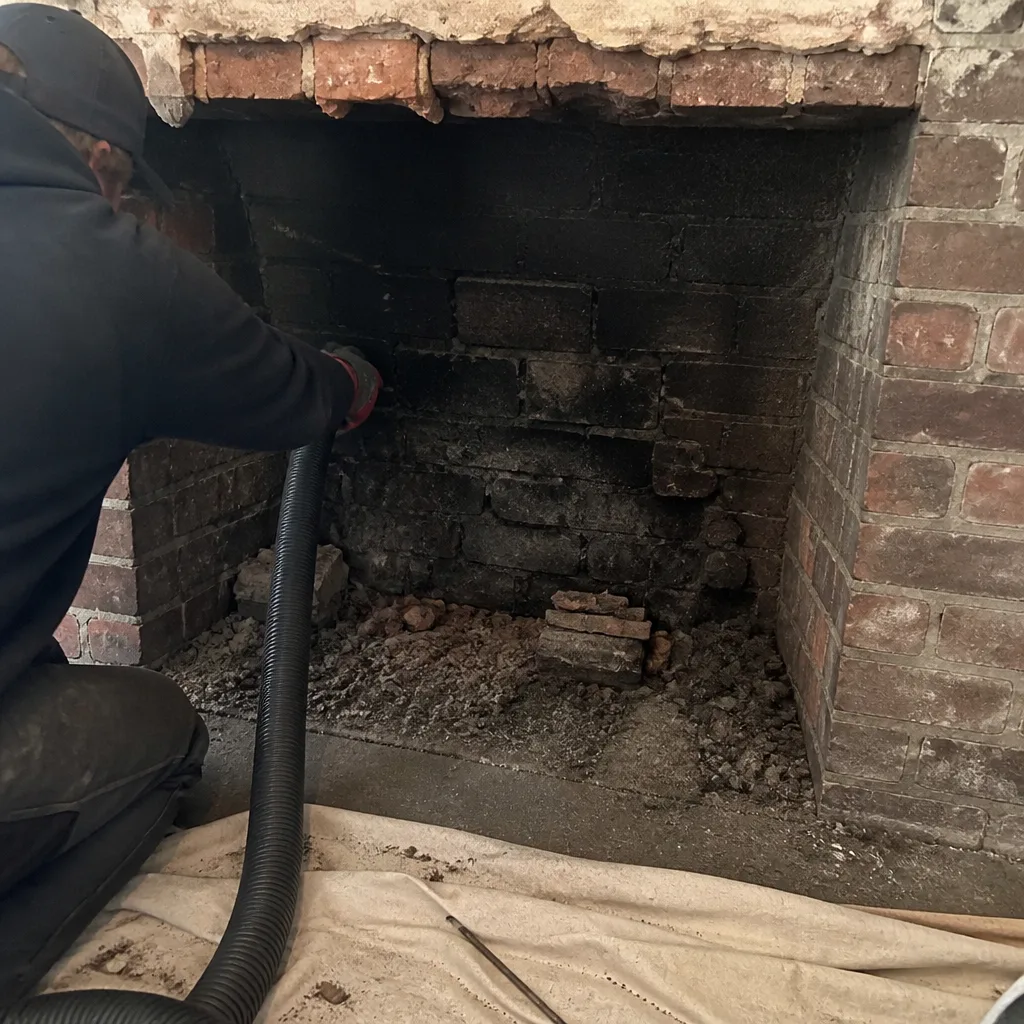
What failure looks like: cracked or spalling firebrick, missing or softened mortar joints between bricks, a smoke shelf packed with soot or debris, or a firebox back wall that has eroded to the point where it’s no longer protecting the structure behind it. A smoke shelf covered in debris is a common cause of smoky fires and poor draft, and it’s usually cleared during a routine sweep.
You can inspect the firebox from inside with a flashlight. Look at the brick faces for cracks and spalling, check the mortar joints for softness or gaps, and look up at the smoke shelf for heavy soot buildup or obstructions. What you’re looking for is whether the firebox still does its job: containing the fire and protecting the masonry behind it.
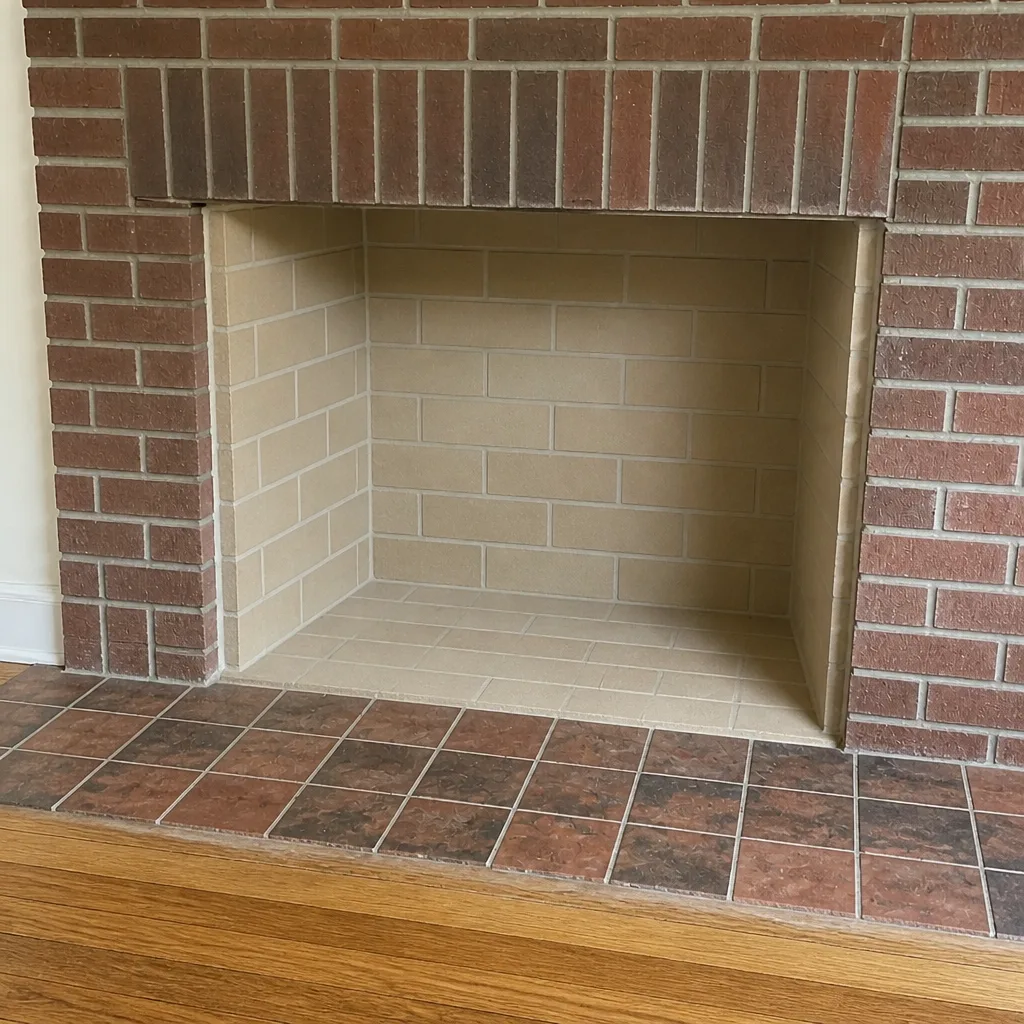
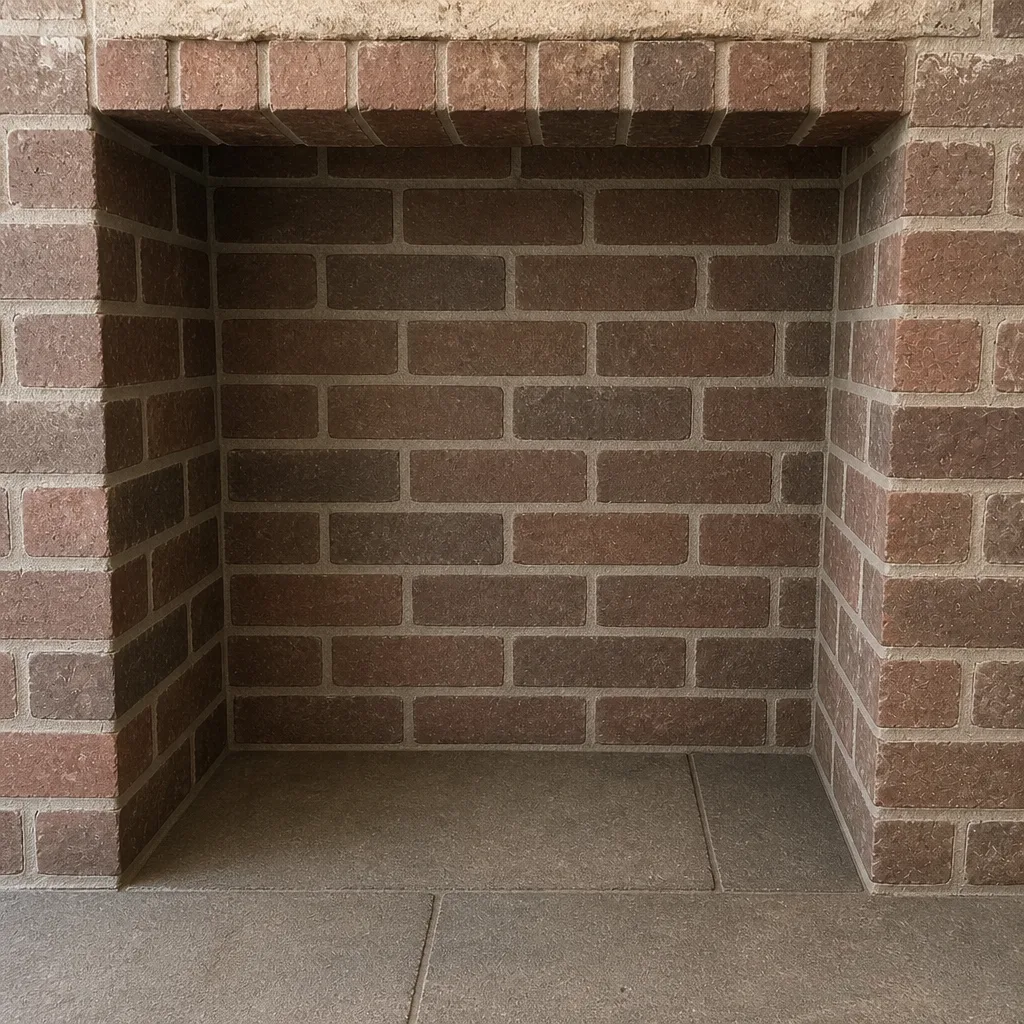
When the firebox needs restoration, we use HeatShield, which lets us restore the firebox and flue without full demolition. That’s a specialist application most general contractors don’t offer, and it’s a cost-effective path to a structurally sound firebox. We inspect before we recommend, so you see the damage first and the fix second.
Red Flags Specific to Ballard’s Older Homes
Ballard’s housing stock has a few characteristics that change what a homeowner should watch for. Most of these come down to age and materials: the brick, mortar, and liners used a century ago behave differently from modern equivalents, and they degrade in specific patterns.
Spalling brick
Spalling is when the face of a brick flakes or pops off. It’s usually caused by water getting into the brick and freezing, and it’s common on the weather side of older Ballard chimneys. Once spalling starts, it tends to accelerate, because the exposed inner brick absorbs more water. Spalling on the chimney above the roofline is worth having evaluated, because it weakens the structure that supports the crown and liner.
Failing lime mortar joints
Older Ballard chimneys were built with lime mortar, which is softer than the Portland cement mortar used today. Over time, lime mortar recedes and softens, and when it does, you’ll see visible gaps between bricks. Repointing with the wrong mortar (too hard) can actually damage the brick, so this is one repair where matching the original material matters. If you see receded joints or sandy mortar on the chimney, have it looked at before winter.
Original clay tile liners
Many Ballard homes still have their original clay tile liners, which were sized for the fireplaces of their era. If a modern insert or stove has been added, or if the tiles have cracked, the liner may no longer be doing its job. This is exactly the kind of thing a camera inspection catches and a visual check from the rooftop misses.
Mixed masonry and additions
Older Ballard homes often have chimneys that have been modified over the years: a new flue added, a gas insert installed, a cap replaced with something that doesn’t match. Each modification is a place where materials meet, and those joints are where water and heat find their way. When we inspect a Ballard chimney, we’re looking at the whole assembly, not just the flue.
Gas Insert vs. Wood-Burning: How the Checklist Changes
If your Ballard home has a gas insert rather than a wood-burning fireplace, you can skip some of this checklist and you must add others. Gas inserts don’t produce creosote the way wood fires do, so the soot and creosote portion of the checklist is lighter. But gas inserts have their own failure modes, and some of them are just as serious.
What changes with a gas insert
- The damper is often fixed open or removed, so check that the venting is configured correctly for the insert rather than relying on the damper
- Check the vent termination and cap for blockage from birds, debris, or snow
- Have the insert’s venting and connections inspected by a professional; gas leaks and carbon monoxide are the concerns here, not creosote
- Watch for condensation or corrosion on the vent, which can indicate a venting problem
- Check the glass and gaskets on a direct-vent insert for cracks or deterioration
The crown, flashing, liner, and firebox portions of the checklist still apply to a gas insert chimney, because the masonry structure is the same either way. What changes is the reason you’re checking: with wood, you’re watching for creosote and heat damage; with gas, you’re watching for venting integrity and condensation.
One Ballard-specific note: gas inserts in older masonry chimneys are sometimes installed into a flue that was originally sized for wood. The venting has to be right for the appliance, and that’s not something to eyeball. If you’ve inherited a gas insert with the house, have the venting checked before the first cold snap.
When Maintenance Becomes Repair
The line between maintenance and repair is the line between “check and clean” and “something has failed.” Most homeowners want to know where that line is, because the fear of being sold unnecessary repair work is real. Here’s how we draw it.
Maintenance items are things you do on a schedule regardless of condition: sweeping, clearing the smoke shelf, checking the damper movement, looking at the crown from the ground. None of these require a repair decision; they’re just upkeep.
Repair items are things that have failed or are failing: a cracked crown, lifted flashing, a damaged liner, a seized damper, spalling brick, receded mortar. These have crossed the line and need a fix, not a check.
Watch items are things that aren’t failing yet but are heading that way: a damper that’s starting to stick, a crown with hairline cracks, mortar joints that are receding but haven’t opened up. Watch items get noted during inspection and re-checked next time.
How we decide
- We inspect the whole system, top to cap, before recommending anything.
- We show you the camera footage or photographs of what we found.
- We separate watch items from repair items and tell you which is which.
- We tell you plainly when a repair can safely wait and when it can’t.
- You get a written estimate, and the written estimate sets the final price.
Nothing gets recommended without evidence you can see for yourself. That’s the whole point of inspecting first. If a repair can wait a season, we’ll say so. If it can’t, we’ll explain why in terms you can verify against the photos.
When a repair does cross the line, we handle it as a single provider for the whole chimney rather than handing you off to a subcontractor. That’s the value of a dedicated chimney specialty company: sweep, inspection, cap and crown, fireplace repair, and chimney repair all live under one roof, so nothing falls between contractors.
Common Mistakes to Avoid
- Skipping the damper because it “still works.” A damper that opens and closes isn’t necessarily sealing. Check that it closes flush, not just that it moves.
- Judging the liner from the rooftop. The visible portion of a clay liner near the top says nothing about the flue further down. A camera inspection is the only way to know.
- Repointing old lime mortar with modern cement. The harder mortar can damage the softer brick around it. Matching the original material matters on older Ballard chimneys.
- Ignoring the crown because the fireplace works fine. A cracked crown causes water damage that has nothing to do with how the fireplace burns. It’s a slow problem that shows up later.
- Treating a gas insert like a wood fireplace. The creosote risk is lower, but the venting and carbon monoxide risks are not. The checklist changes, it doesn’t shrink.
- Assuming a seasonal sweep covers everything. A sweep clears creosote and the smoke shelf. It doesn’t necessarily include a crown or flashing assessment, so ask what the inspection covers.
- Waiting until the fireplace smokes to act. Smoke in the room is usually the late symptom of a damper or draft problem that was developing for a while. Watch for the early signs.
See the difference
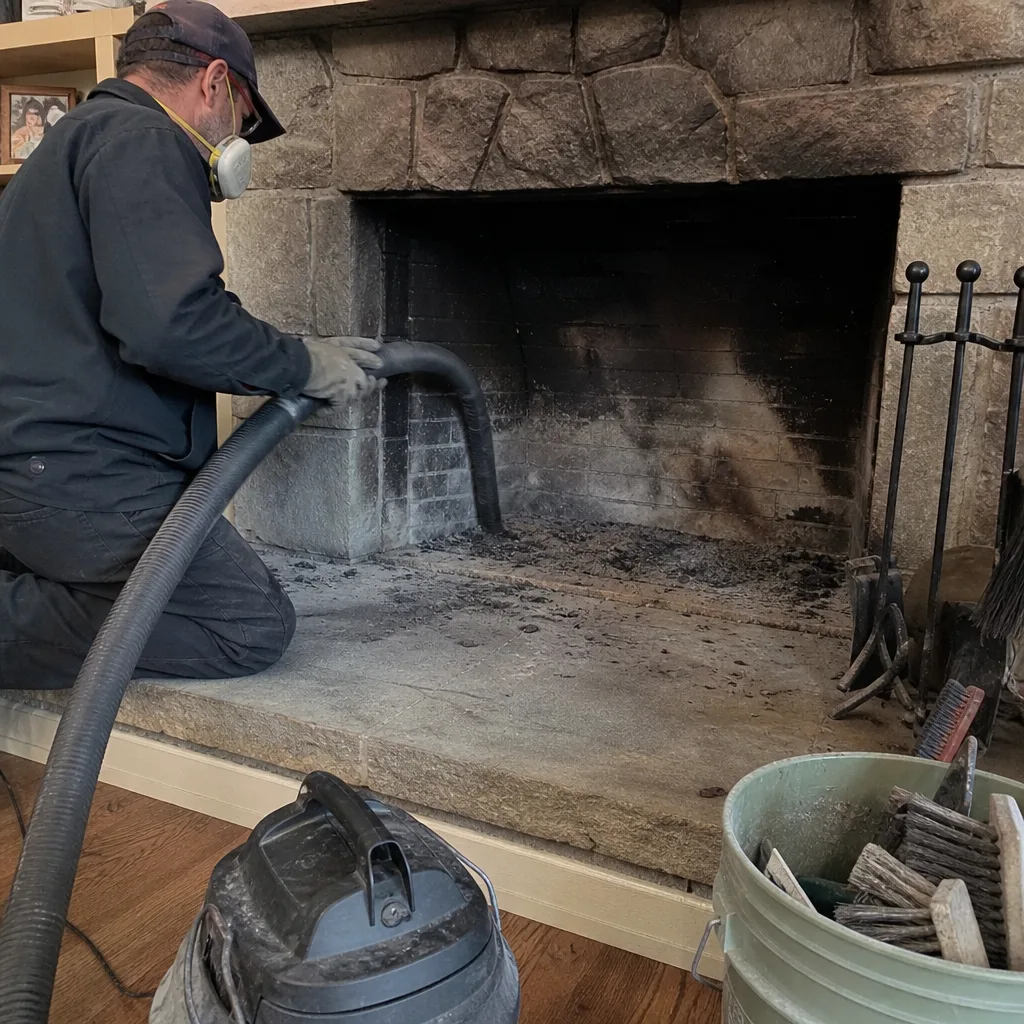 Before
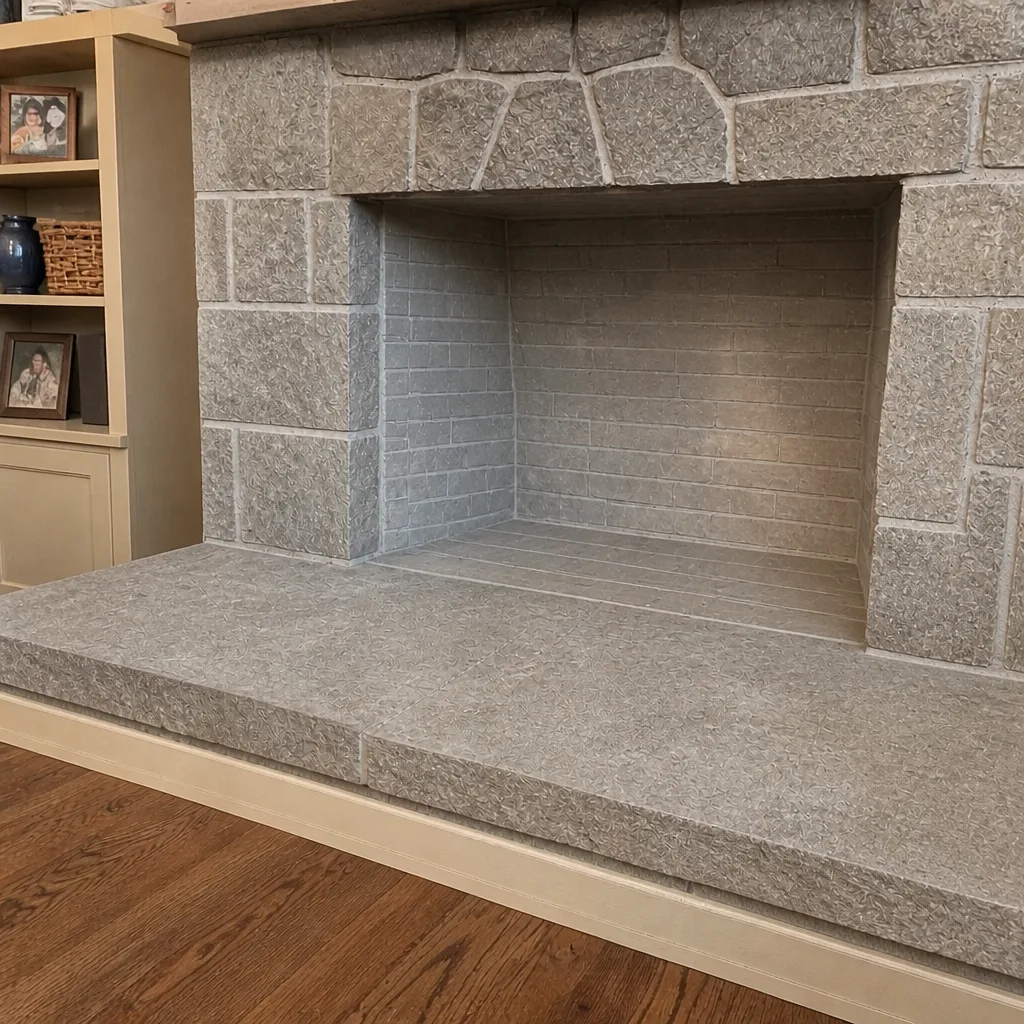 After
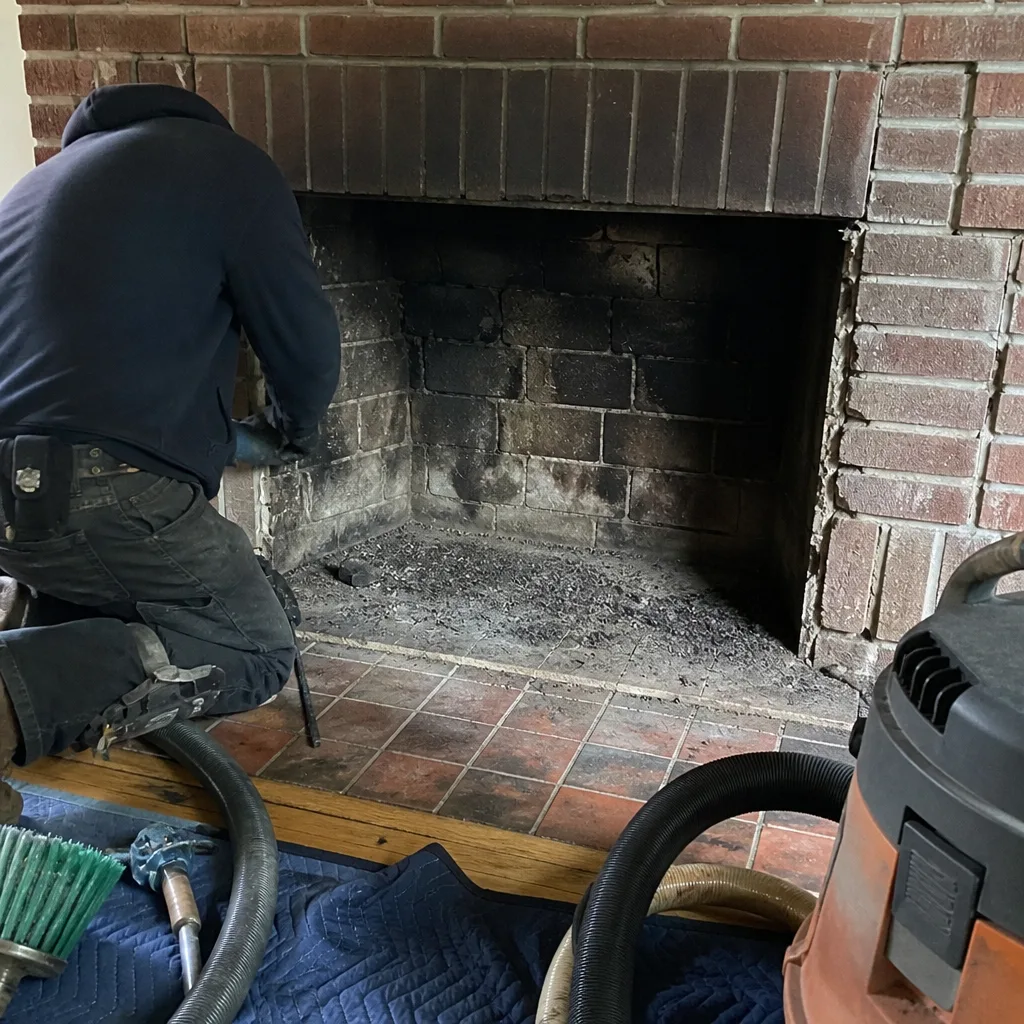 Before
 After
 Before
 After
When to Call a Professional
Some items on this checklist you can handle yourself: the ground-level look at the crown, the flashlight check of the damper, the visual scan of the firebox. Others need a trained eye and a camera. Call a professional when you notice a cracked or flat crown, lifted or rusted flashing, spalling brick or receded mortar on the chimney, a damper that won’t seal, smoke rolling into the room, or any sign of water damage near the chimney. If your home has an original clay liner and you’ve added a wood stove or gas insert, have the liner inspected before the next burn season. Also call if it’s simply been a while since the last inspection, because the camera doesn’t lie and the written estimate makes the decision easy. Chimney Sweep Ballard offers free estimates in Ballard. Call (844) 405-4527. We answer 24/7. Fast dispatch from 7am to 7pm, Sunday through Friday.
For the cleaning side of the checklist, our chimney sweep service covers the flue, the smoke shelf, and the firebox, and pairs with an inspection so you know the condition of the whole system, not just what came out of the flue.
Frequently Asked Questions
Once a year is the standard, and it’s the right interval for most Ballard homes with a wood-burning fireplace. Annual inspection catches crown cracks, flashing problems, and liner damage while they’re still small. Homes with a gas insert should also be inspected annually for venting integrity. Call (844) 405-4527 for an exact quote on an inspection; estimates are free.
You can check the crown and flashing from the ground with binoculars, and the damper and firebox from inside with a flashlight. You cannot reliably check the liner, the smoke shelf interior, or the flue from the top down. Those need a professional camera inspection, and that’s where most hidden problems live. Call (844) 405-4527 to book an inspection.
The damper is the most commonly skipped item, and it’s also the most-used moving part in the system. A corroded damper throat reduces draft efficiency before the homeowner notices anything, so it tends to get missed until the fireplace starts smoking. Call (844) 405-4527 to have yours checked; estimates are free.
Only if the inspection shows the liner is cracked, gapped, or improperly sized for the appliance. A camera inspection is the only way to know, and the footage should be shown to you before any relining is recommended. If a reline is needed, we use DuraFlex flexible liner systems. Call (844) 405-4527 for an inspection and estimate.
The creosote and soot portion of the checklist is lighter, but the venting, connections, and condensation checks are more important. Gas inserts carry carbon monoxide risk that wood fires don’t, so have the venting inspected annually. The crown, flashing, liner, and firebox checks still apply. Call (844) 405-4527 to book a gas insert inspection.
Have it evaluated before the next rainy season. Spalling brick is usually water getting into the masonry and freezing, and once it starts it tends to accelerate. A professional inspection will tell you whether the spalling is cosmetic or structural. Call (844) 405-4527 for a free estimate.
The Bottom Line
A chimney maintenance checklist works best when it’s organized by component, not by month. Check the crown and flashing from the ground, check the damper and firebox from inside, and have the liner and smoke shelf examined by a professional during an annual inspection. In Ballard’s older homes, watch for spalling brick, receding lime mortar, and original clay liners, because those are where the real failures hide. Gas insert owners should adjust the checklist for venting and carbon monoxide rather than creosote. And when a maintenance item becomes a repair item, the decision should rest on camera evidence you can see, not on a hunch. For a chimney sweep in Ballard, our Chimney Sweep Ballard team handles the full lifecycle from inspection through relining, using professional-grade materials from DuraFlex, HeatShield, Gelco, and Copperfield. Our technicians have up to 9 years of experience.
Call (844) 405-4527 for a free estimate. We answer 24/7. Fast dispatch from 7am to 7pm, Sunday through Friday.
Written by the team at Chimney Sweep Ballard.