
Last updated November 25, 2026
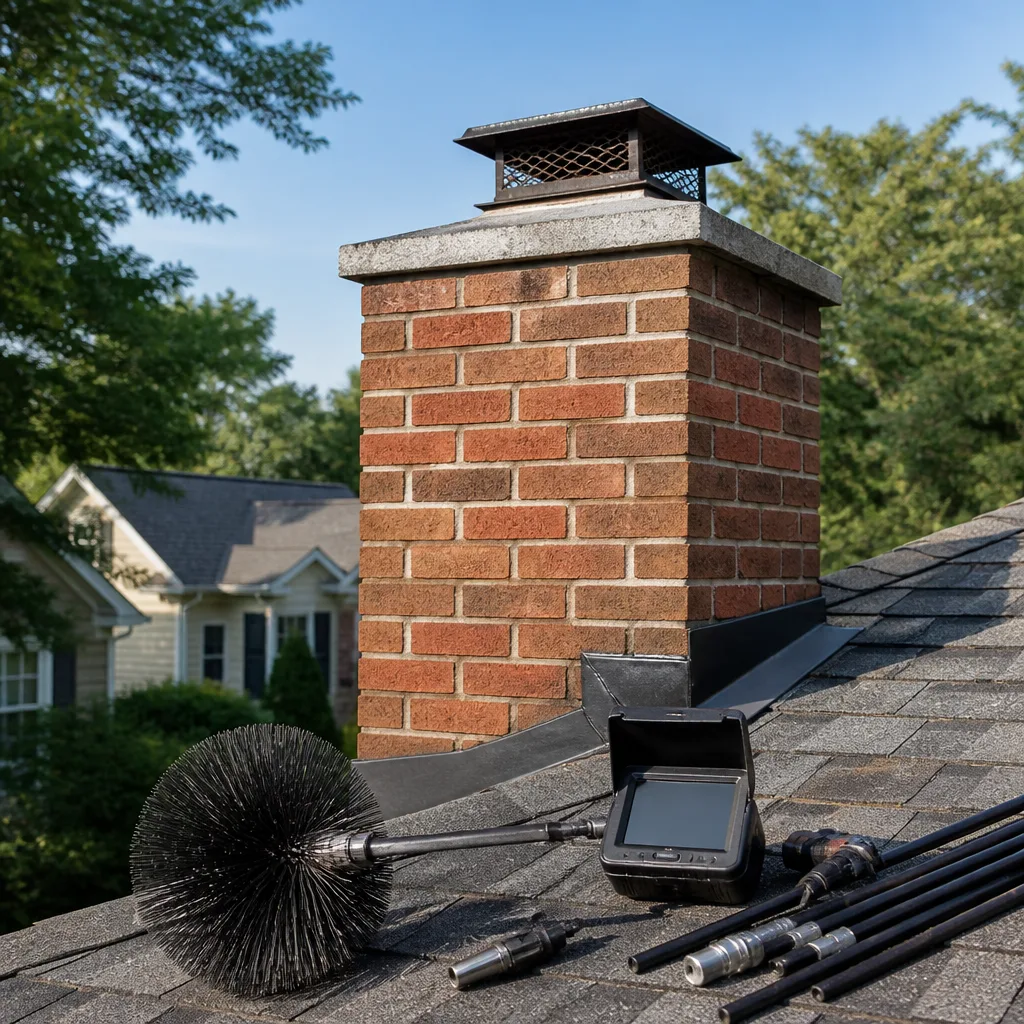 Sweep & inspection
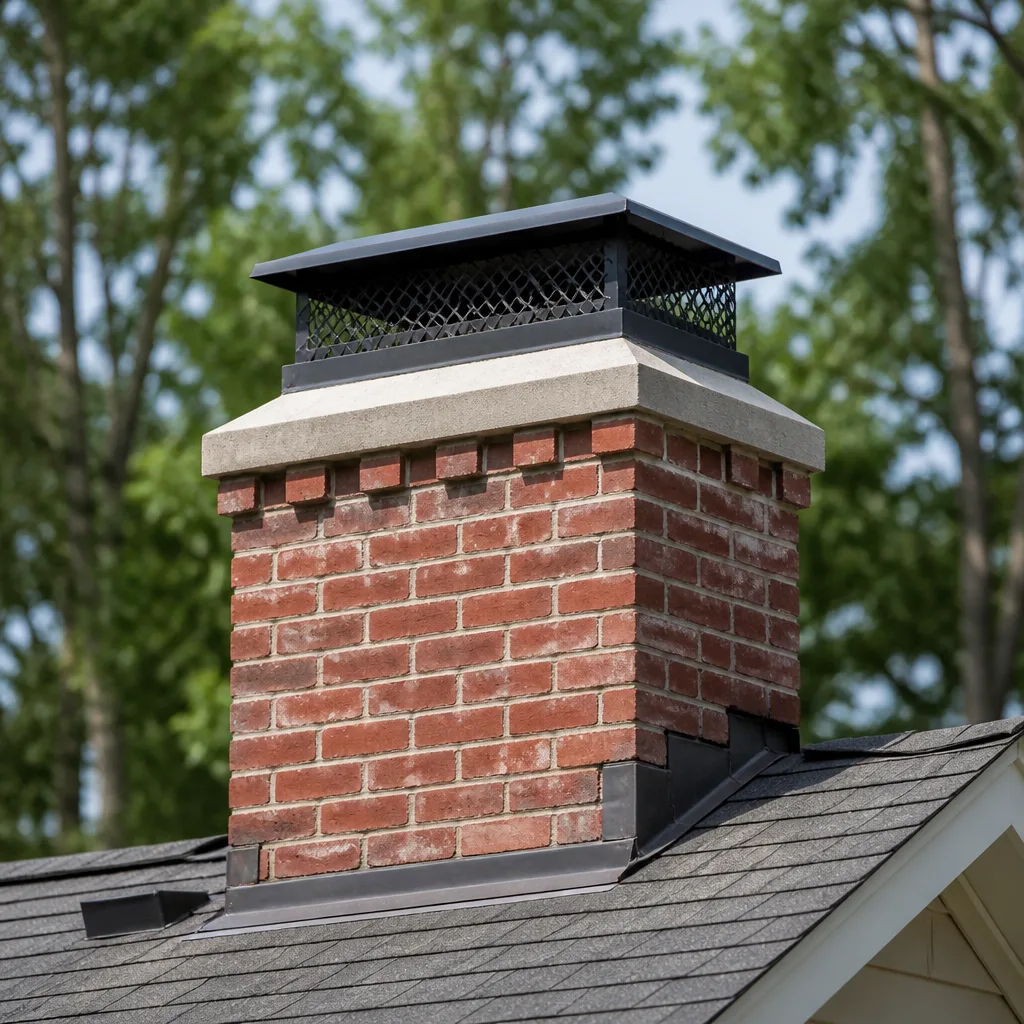 Caps & crowns
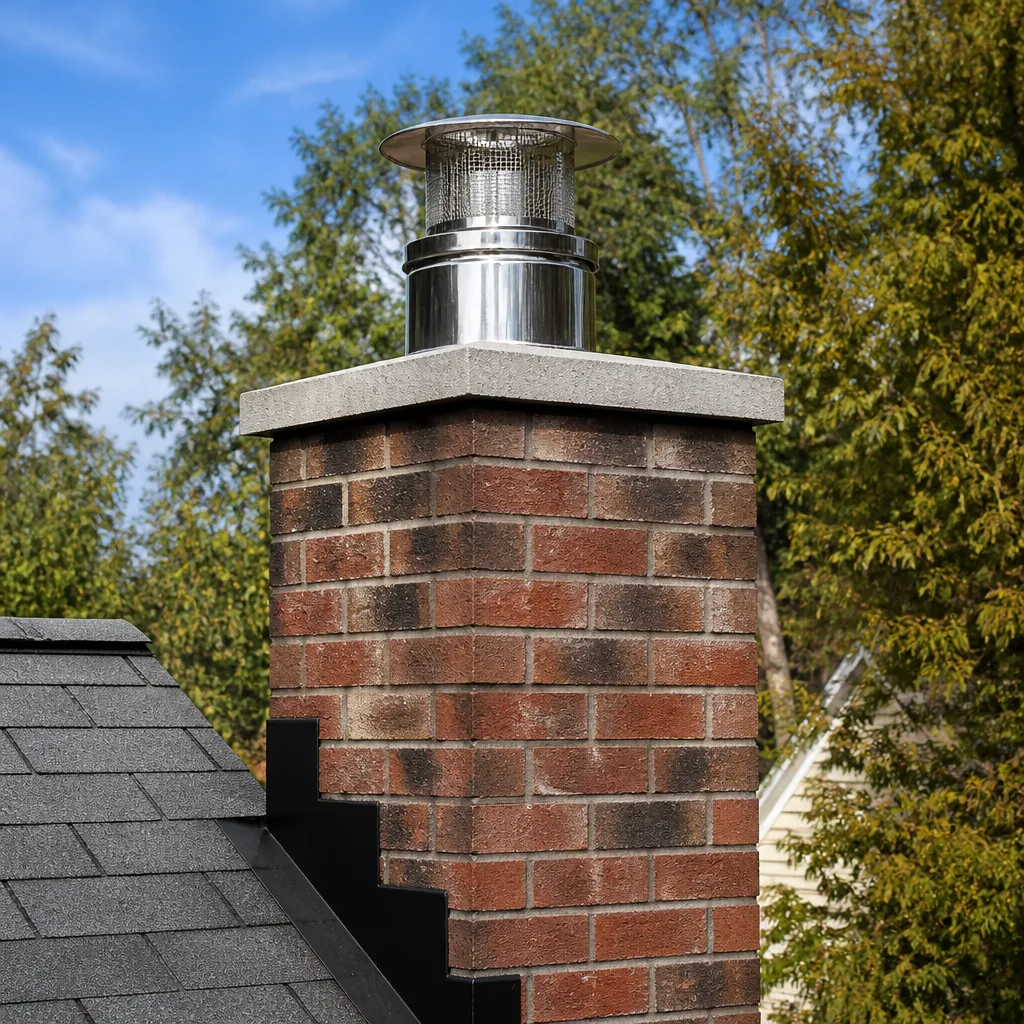 Flue relining
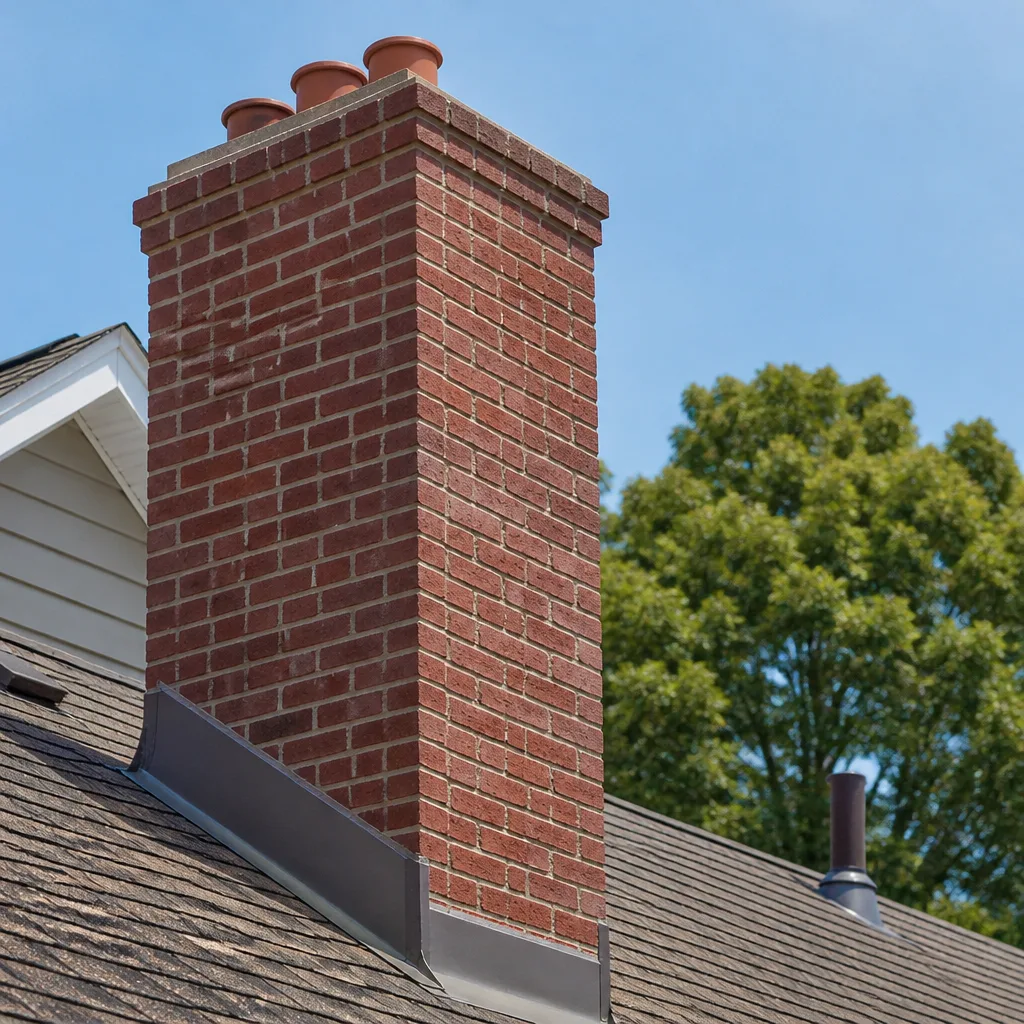 Masonry repair
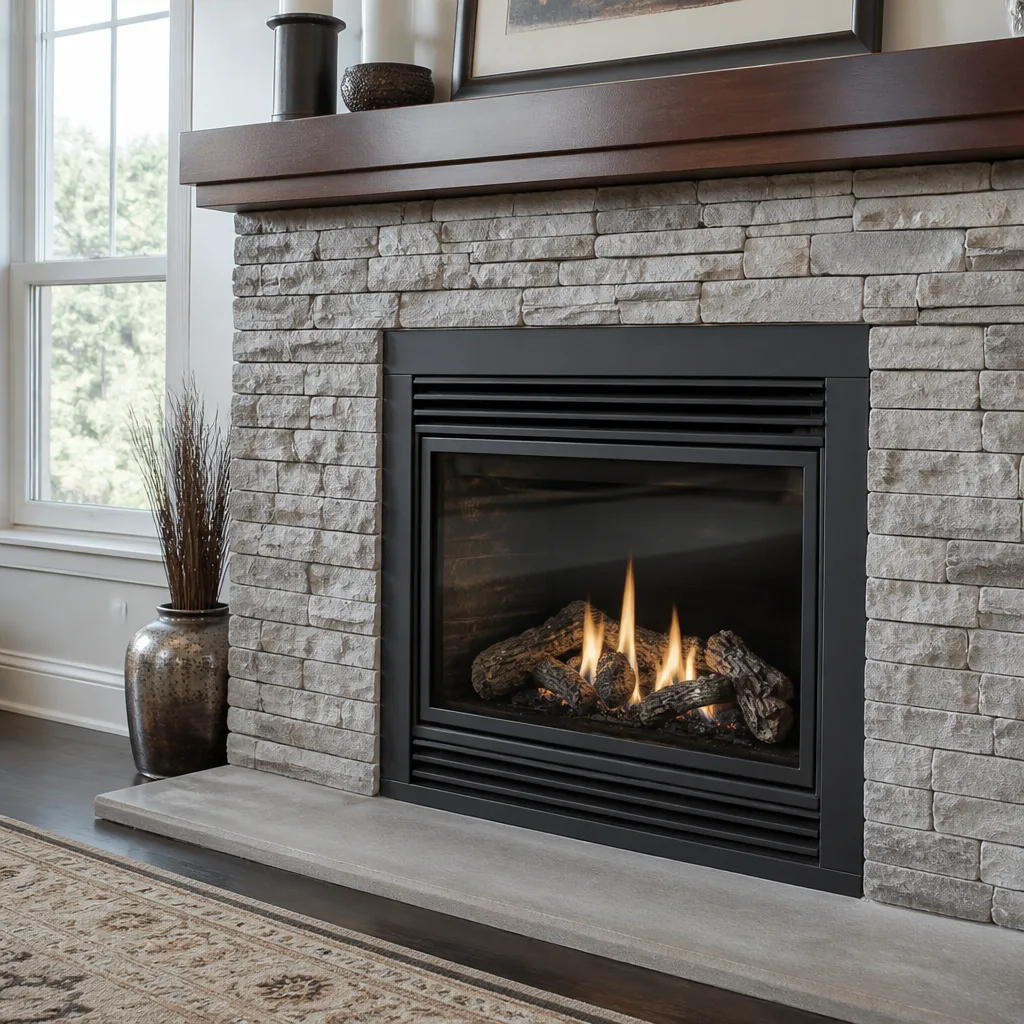 Gas fireplace service
Level 1 sweep and inspection to the NFPA 211 annual standard - flue, crown, cap, and flashing checked and photographed
Chimney sweep logs do not sweep chimneys. They loosen some creosote - which then falls where a brush and vacuum still have to collect it.
Chimney Cleaning Permits, Codes & Inspections in Ballard, WA: What You Need to Know
The call most homeowners dread isn’t the sweep. It’s the inspection report that follows, the one that mentions relining, firebox repair, or a replaced insert. And here’s the part that catches people off guard: the cleaning itself almost never needs a permit, but the moment that work crosses into structural territory, Washington State and Seattle’s building code take over. A reline done without one can mean a stop-work order and a destructive inspection of finished work. In this guide we draw the line between maintenance and permitted work, walk through how the code actually governs a chimney, and explain what a compliant paper trail should look like when the job is done.
Quick Answer
Routine chimney cleaning and a standard Level 1 or Level 2 inspection in Ballard do not require a permit. Permits enter the picture when the work alters the chimney system itself: relining, firebox reconstruction, a new or replacement gas insert, or any change to the venting. Those jobs fall under Seattle’s residential building code and adopted portions of the International Residential Code, and they should be inspected before the chimney is closed up or returned to service.
Styles & brands we work with
- Sweep & inspection
- Caps & crowns
- Flue relining
- Masonry repair
- Gas fireplace service
Table of Contents
- Where Maintenance Ends and Permitted Work Begins
- How IRC Chapter 10 Governs Your Chimney
- Seattle’s Local Amendments and What They Change
- When a Gas Insert Needs Its Own Mechanical Permit
- What Documentation You Should Receive After Permitted Work
- Level 1, 2, and 3 Inspections Explained
- How Unpermitted Chimney Work Surfaces During a Home Sale
- Why Ballard’s Housing Stock Makes This Matter
Where Maintenance Ends and Permitted Work Begins
The cleanest way to think about it: a permit protects the structure of the building, not the cleanliness of the flue. Sweeping removes creosote and soot. That’s maintenance, and it doesn’t touch the building envelope or alter any component. No permit is needed, and none should be suggested.
The line moves when the work changes the chimney as a system. In our experience, these are the categories that reliably trigger a permit in Seattle:
- Relining. Installing a new flue liner, whether a flexible stainless system like DuraFlex or a cast-in-place product like HeatShield, changes the venting pathway of an appliance. That’s a permitted alteration.
- Firebox reconstruction. Rebuilding damaged firebox brick, parging with a refractory material, or restoring the smoke chamber all count as structural repair to a listed component.
- Appliance changes. A new wood stove, a replacement gas insert, or a change from one fuel type to another requires both a building permit and, for gas, a separate mechanical permit.
- Chimney height or termination changes. Extending a flue, changing the cap to a different termination style, or altering the crown in a way that affects draft can all pull a permit depending on scope.
- Any work that requires opening a wall or ceiling. Chase repairs and framing changes fall squarely into permitted territory.
What does not need a permit: a standard cleaning, a Level 1 or Level 2 inspection, a cap replacement that mounts to an existing flue, a crown coating over sound masonry, and routine firebox tuckpointing that doesn’t rebuild a component. If a contractor tells you a simple sweep needs a permit, ask why in writing.
How IRC Chapter 10 Governs Your Chimney
Washington State adopts the International Residential Code with amendments, and Chapter 10 of the IRC is the chapter dedicated to chimneys and vents. You don’t need to read it cover to cover, but knowing what it covers explains why certain jobs get inspected the way they do.
Chapter 10 addresses clearances to combustibles, flue sizing relative to the appliance, liner requirements, chimney height above the roofline, termination and cap requirements, and the construction of factory-built fireplaces. When an inspector looks at a reline, those are the checkpoints in play: is the new liner correctly sized to the appliance, does it maintain the required clearance, does the termination meet the height rule, and is the installation listed and labeled for the application?
One point homeowners often miss: Chapter 10 governs the chimney as part of the building, not just as an appliance accessory. That’s why a liner swap can require a permit even when the fireplace itself is untouched. Product choice matters here too. Professional-grade liners from manufacturers like Olympia Chimney or DuraFlex come with listing documentation that an inspector expects to see. Commodity components without that listing can slow an inspection or fail it outright.
If you want a deeper look at what a cleaning visit actually covers under these standards, our guide to a chimney sweep in Ballard walks through the process step by step.
Seattle’s Local Amendments and What They Change
Seattle adopts the state codes with its own amendments, and a handful of them directly affect chimney work. The two that come up most in our conversations with Ballard homeowners are seismic and energy-related.
Seattle’s seismic provisions matter more for masonry chimneys than most people realize. An unreinforced brick chimney on an older Ballard home is a known vulnerability in an earthquake, and when a chimney is being structurally altered, the inspector may look at bracing and attachment in ways that a simple cleaning would never trigger. If you’re already pulling a permit for a reline or a firebox rebuild, ask whether the scope will require addressing chimney bracing while the wall is open. Doing it later means opening it twice.
Seattle’s energy code doesn’t regulate your fireplace directly, but it does interact with appliance replacements. A gas insert swap needs to meet current efficiency and venting requirements, and the inspector will check that the installed unit is rated for the application. This is one more reason a replacement insert isn’t a Saturday project.
The practical takeaway: local amendments mean you can’t assume a job that was permit-free in another county is permit-free in Seattle. Ballard sits inside city limits, so the Seattle amendments apply. When in doubt, the Seattle Department of Construction and Inspections is the authority to ask, and a good chimney specialist will tell you which permits a scope needs before the work is scheduled.
When a Gas Insert Needs Its Own Mechanical Permit
A gas insert is where permits multiply in ways homeowners don’t anticipate. Installing or replacing one typically requires a building permit for the fireplace and venting, plus a separate mechanical permit for the gas connection. Those are two different approvals, and they can be inspected separately.
The gas side of the work is not something a chimney specialist performs. Gas line connections are the territory of a licensed gas fitter or plumber, and the permit and inspection exist because a gas leak or an improperly vented appliance is a genuine hazard. Carbon monoxide doesn’t announce itself, and a venting mistake made by an untrained installer can put the whole household at risk. We flag this clearly: gas connections belong to a licensed trade, full stop.
What a chimney specialist does contribute is the venting and termination side. The insert needs a correctly sized and correctly terminated flue, and the cap and any venting components need to be listed for the appliance. Components from manufacturers like Famco or Copperfield are common in this work because they carry the listing an inspector expects. Our fireplace repair service handles the non-gas side of insert work, and a licensed gas fitter handles the fuel connection.
If you’re converting from wood to gas, work through the permit question with both trades before anything gets ordered. The unit you buy depends on the venting that’s permitted, not the other way around.
What Documentation You Should Receive After Permitted Work
A permit isn’t just a piece of paper you pay for at the start. It creates a record that follows the property. When permitted chimney work is done correctly, you should walk away with a specific set of documents:
- The permit number and final inspection sign-off. The signed inspection card is the proof that the work passed. Keep it with your home records, not in a drawer you’ll forget.
- Manufacturer installation instructions and listing documentation. For a DuraFlex or Olympia Chimney liner, this includes the product listing that confirms it’s rated for your appliance and fuel type.
- A written description of the work performed. What was replaced, what was left in place, and why. This is what a future buyer’s inspector will ask for.
- Photographs of the work before it was closed up. A liner or firebox repair gets covered by the time the job is done. Photos taken during installation are the only visual record you’ll have.
- The inspection report and any camera footage. A good sweep or inspection produces a written report. Keep it with the permit documents.
If any of these are missing after permitted work, ask for them before you consider the job finished. A contractor who did the work properly can produce the paperwork. One who can’t is telling you something.
Level 1, 2, and 3 Inspections Explained
Inspections follow a three-level framework, and knowing which level applies to your situation prevents either paying for more than you need or missing what you do. Here’s how the levels break down:
- Level 1. A visual check of accessible portions of the chimney and firebox, done as part of a routine cleaning or annual service. No tools that require opening anything. This is the standard inspection, and it doesn’t need a permit.
- Level 2. A more thorough inspection that includes a camera scan of the flue interior and access to areas not visible from the firebox. Required when a property changes hands, after a chimney fire, after an event that may have damaged the chimney, or when an appliance is being changed. Still no permit required for the inspection itself, though the work it identifies may need one.
- Level 3. A diagnostic inspection that requires opening walls, ceilings, or the chimney itself to access concealed areas. Reserved for specific problems that can’t be resolved with a camera. This is the level that often follows an unpermitted job gone wrong.
For most Ballard homeowners, a Level 2 inspection is what to ask for when buying a home, when an appliance is being replaced, or when there’s any question about the liner’s condition. A camera scan produces footage you can watch, which matters when someone is recommending thousands of dollars of liner work. Our team includes camera inspection and a photo report with every job so the evidence is in your hands, not just in someone’s verbal summary.
How Unpermitted Chimney Work Surfaces During a Home Sale
Unpermitted chimney work has a way of waiting quietly until the worst possible moment. That moment is usually a home inspection during a sale. A buyer’s inspector who finds a liner installed without documentation, a firebox rebuild that doesn’t match the permit record, or a gas insert with no mechanical permit will flag it, and the transaction stalls.
What remediation looks like depends on what was done. In the milder cases, the work may be sound but undocumented, and the path forward is a retroactive permit and inspection. In the worse cases, the installed product wasn’t listed for the application, or the work concealed a defect, and the only way to verify is to open it up. That’s a Level 3 situation, and it’s expensive precisely because it’s destructive.
For a seller, this is the argument for doing permitted work the first time. For a buyer, it’s the argument for a Level 2 inspection before closing, not after. Ballard has a lot of older homes where chimneys have been modified over the decades, sometimes well and sometimes not, and a camera inspection is the only way to know which. A permit record is the only way to know the work was reviewed by anyone other than the person who did it.
Why Ballard’s Housing Stock Makes This Matter
Ballard’s housing stock has a specific character that shapes how chimney code questions play out here. The neighborhood has a large number of early- and mid-twentieth-century homes, many with masonry chimneys built to standards that predate current code. That’s not a defect, but it does mean the chimney you’re working with was built under different rules than the ones that now govern alterations.
Add Ballard’s wet, cool winters and you get the other half of the story. Water intrusion is the leading cause of chimney deterioration in this climate, and the components most responsible are the cap and the crown. A failing crown lets water into the masonry, and masonry that stays wet through a long rainy season deteriorates from the inside. That’s why our chimney cap & crown service exists as a standalone category rather than a footnote to sweeping.
The gas fireplace is also common in Ballard homes, often installed as a replacement for an original wood-burning fireplace. Each of those conversions was a permitted job when it was done, and if the documentation isn’t with the house, it’s worth tracking down before you need it.
Ballard’s mix of original masonry chimneys, decades of appliance changes, and a wet climate means the code questions here aren’t abstract. They’re the practical difference between a chimney that’s documented and one that isn’t when someone asks.
Common Mistakes to Avoid
- Assuming the whole job is permit-free because the cleaning was. Cleaning never needs a permit, and relining almost always does. The two get conflated constantly, and the permit question needs to be answered for the specific scope, not the general service.
- Skipping the camera inspection to save a step. A verbal recommendation to reline without footage of the flue interior is unverifiable. In Ballard’s older homes, a camera scan is how you confirm whether the liner is actually compromised.
- Letting a gas insert get installed without a mechanical permit. The building permit covers the fireplace and venting. The gas connection needs its own mechanical permit and licensed trade, and skipping it is a safety issue, not just a paperwork one.
- Not keeping the permit documentation. The inspection sign-off and manufacturer listing go with the house. Losing them turns a properly permitted job into an undocumented one at sale time.
- Buying the insert before confirming the permitted venting. The appliance depends on the flue that’s approved, and choosing the unit first can mean a product that doesn’t fit the permitted configuration.
- Trusting a general handyman on structural chimney work. Firebox reconstruction and relining are specialist work, and a generalist doing it without a permit leaves you with no recourse if it fails.
- Ignoring the crown because the flue looks clean. Ballard’s wet winters punish a failing crown long before they punish a dirty flue. Water intrusion is the slow damage, and it shows up in the masonry, not the firebox.
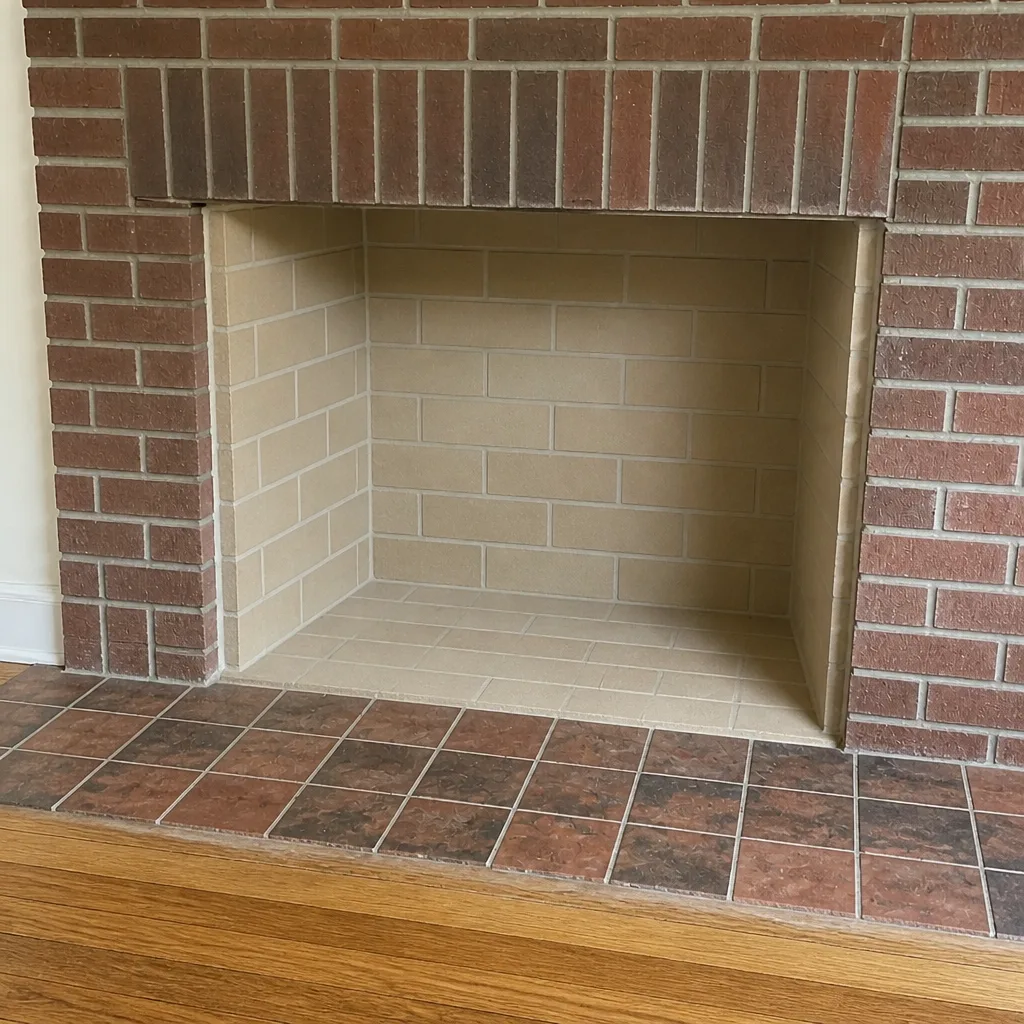
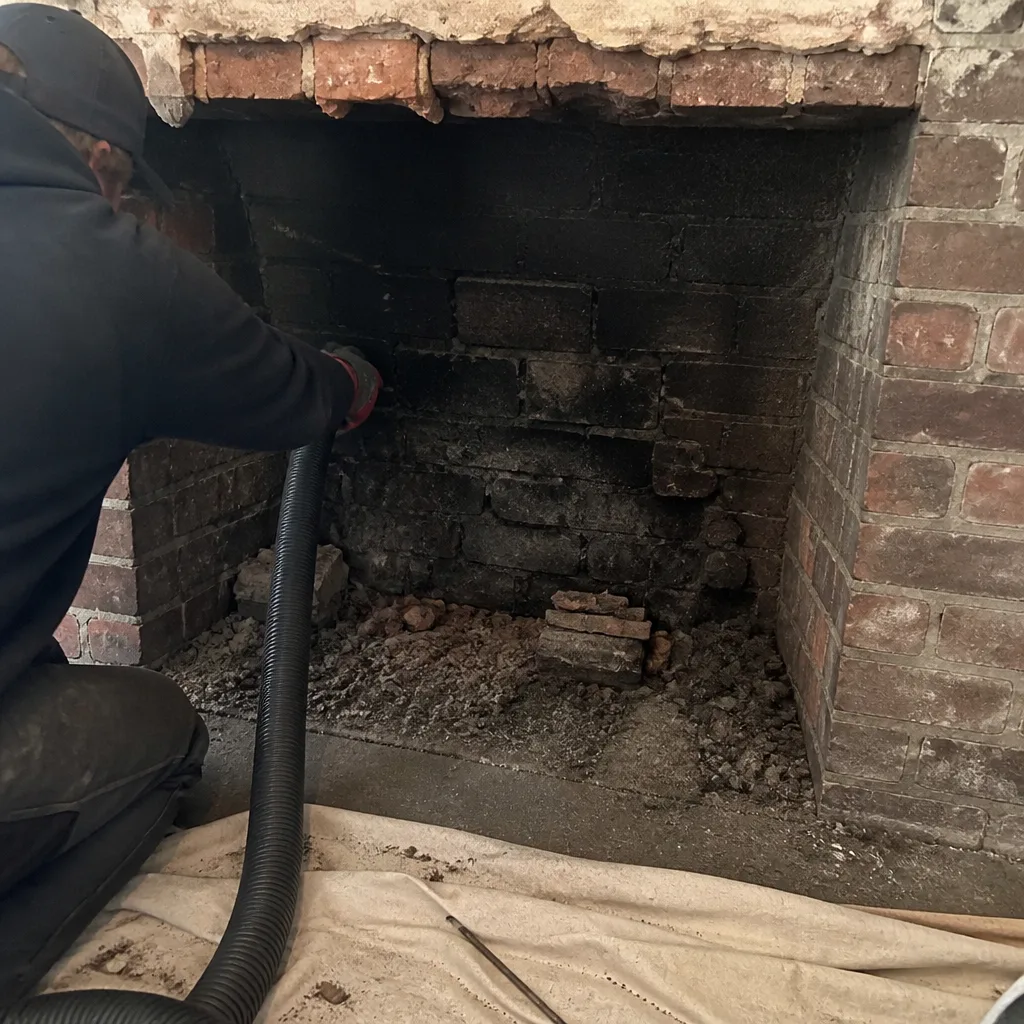
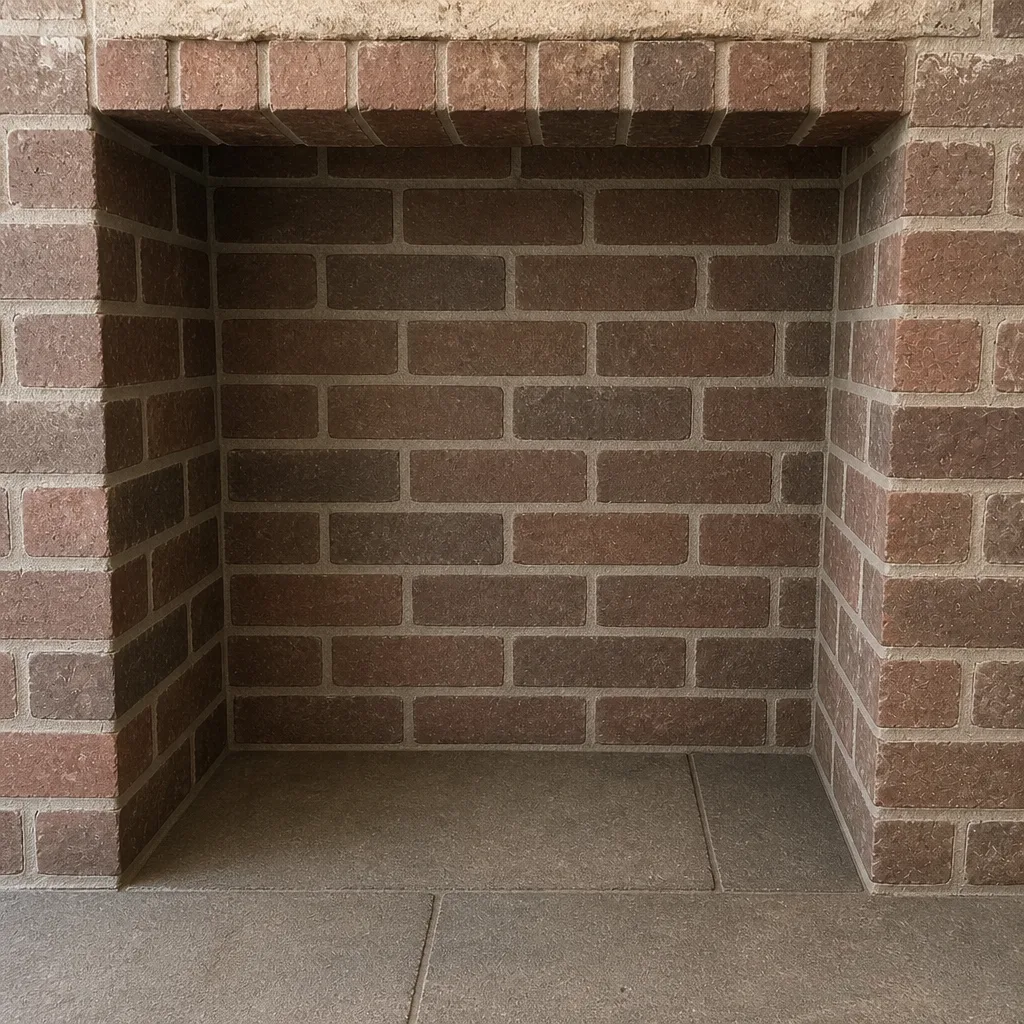
See the difference
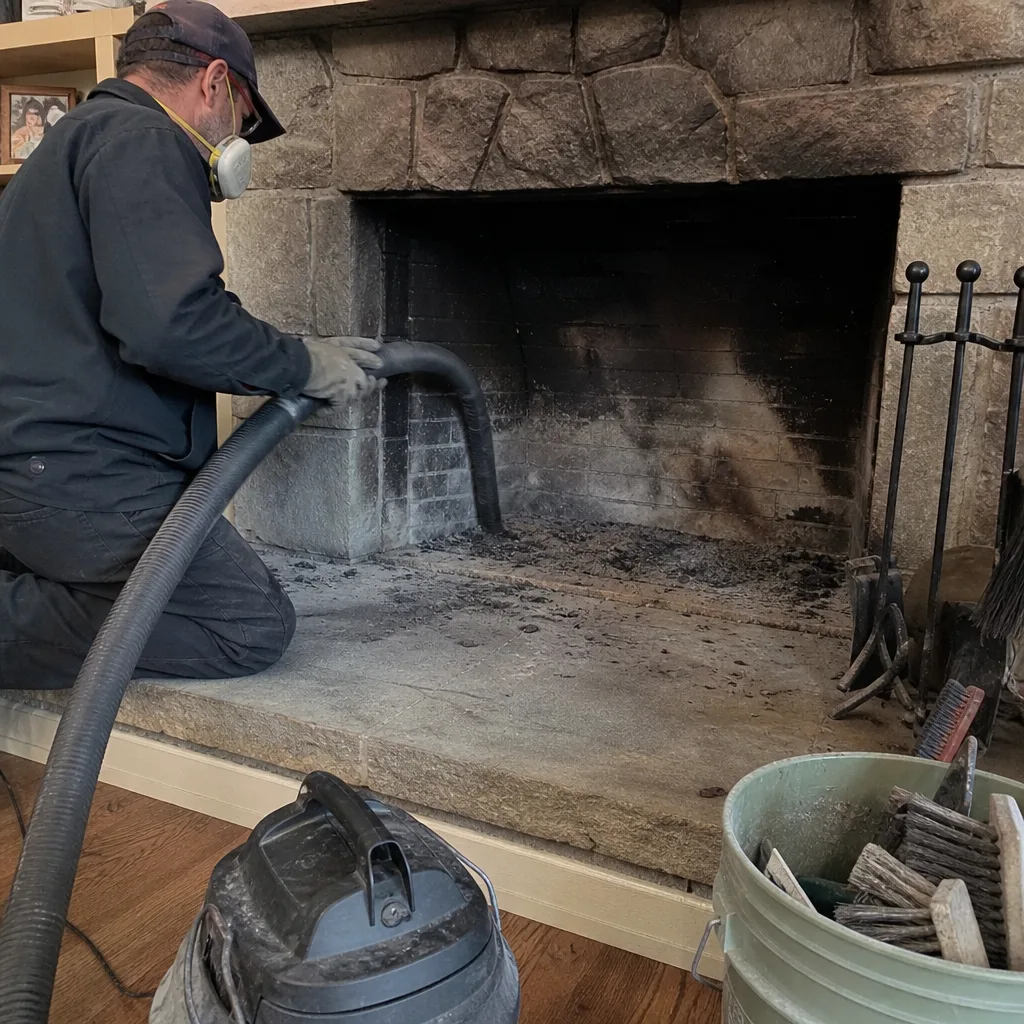 Before
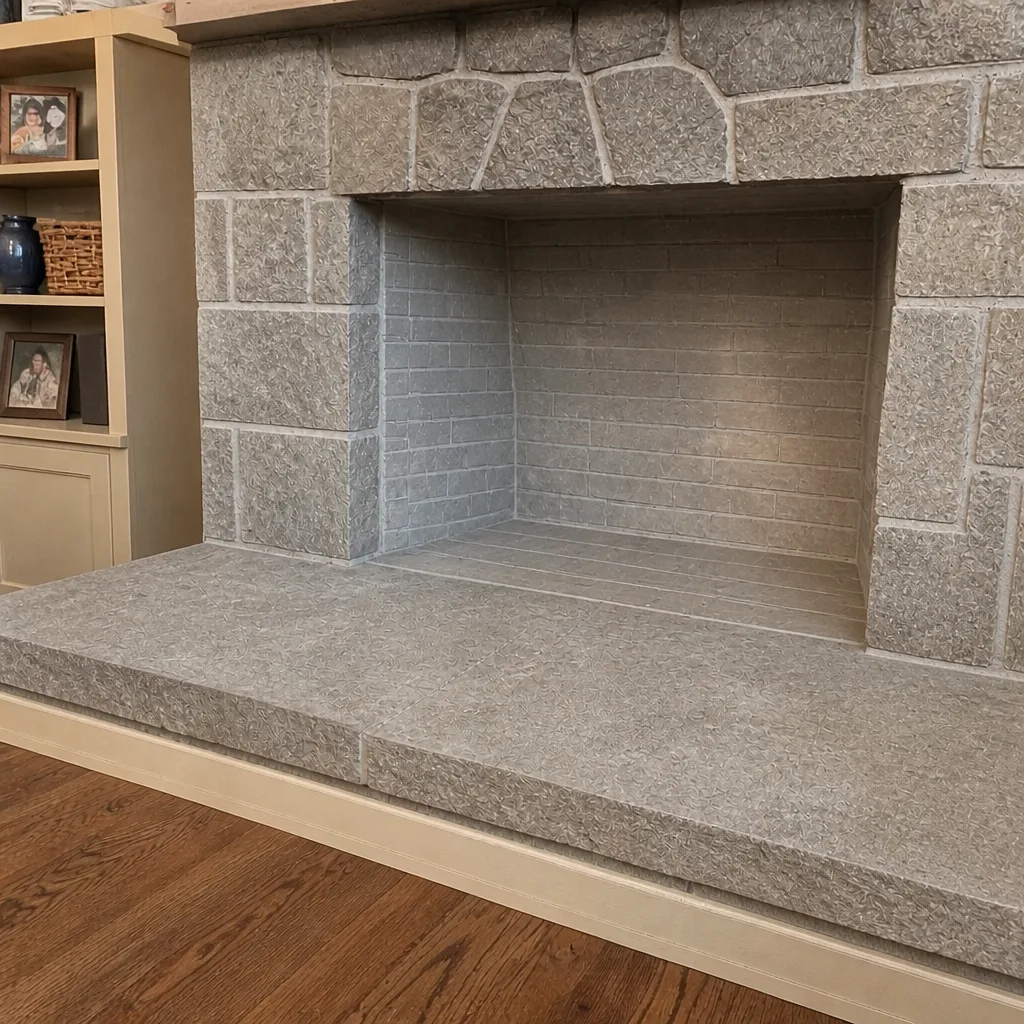 After
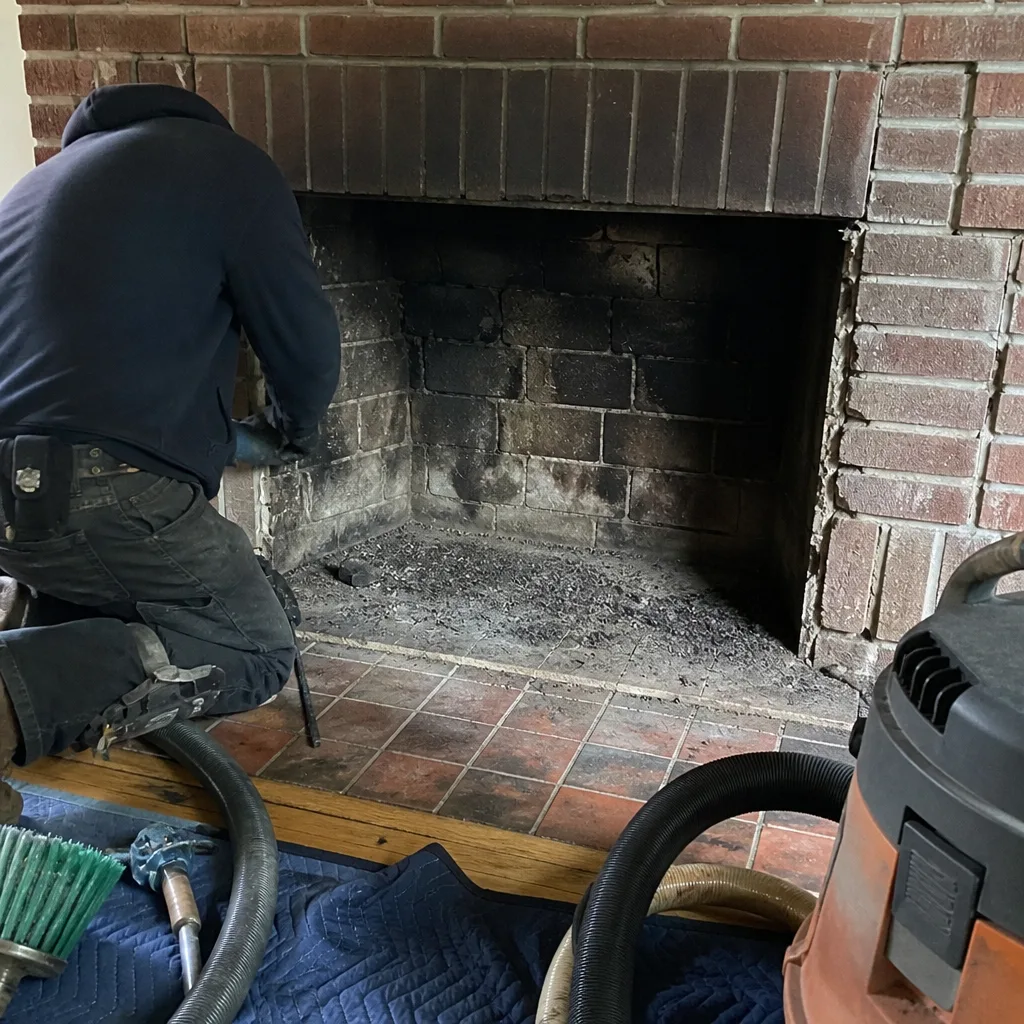 Before
 After
 Before
 After
When to Call a Professional
Call a chimney specialist when the work touches anything structural, when a camera inspection is needed to answer a question about the liner, or when you’re being told a fireplace needs work you can’t verify. Call when you’re buying or selling a home with a chimney and want a Level 2 inspection on record. Call when a gas insert is being replaced or converted, and expect a licensed gas fitter on that side. And call for the routine annual cleaning, because a clean chimney is a safe chimney, and small problems caught early cost less than structural repairs.
Our technicians have up to 9 years of experience across sweeping, inspection, cap and crown, fireplace repair, and chimney repair. We inspect before we recommend, and we work top to cap. Chimney Sweep Ballard offers free estimates in Ballard. Call (844) 405-4527. We answer 24/7. Fast dispatch from 7am to 7pm, Sunday through Friday.
Frequently Asked Questions
No. Chimney cleaning is routine maintenance and does not require a permit in Ballard or anywhere in Seattle. The same goes for a standard Level 1 or Level 2 inspection. Permits apply when the work alters the chimney system, such as relining, firebox reconstruction, or appliance changes. If you’re unsure which category your job falls into, call (844) 405-4527 for an exact quote – estimates are free.
In Seattle, a building permit is typically required for relining a flue, rebuilding a firebox, installing or replacing a wood stove or gas insert, changing chimney height or termination, and any work requiring opening a wall or ceiling. Cap replacements mounted to an existing flue and crown coatings usually don’t need one. Seattle Department of Construction and Inspections is the authority for your specific scope. Call (844) 405-4527 if you need an assessment before deciding – estimates are free.
Often yes. A gas insert installation typically requires a building permit for the fireplace and venting plus a separate mechanical permit for the gas connection, which is handled by a licensed gas fitter. The chimney specialist covers the venting and termination; the gas connection belongs to a licensed trade. Call (844) 405-4527 to discuss the venting side – estimates are free.
Annual inspection is the standard recommendation, with sweeping as needed based on what the inspection finds and how much the fireplace is used. A wood-burning fireplace used regularly through a Ballard winter will accumulate creosote faster than one used occasionally. A gas appliance still needs inspection, because venting problems don’t produce the visible signals wood does. Call (844) 405-4527 to book an assessment – estimates are free.
Unpermitted work can trigger a stop-work order, and verifying it may require opening finished work to inspect it, which is far more expensive than the permit would have been. It also surfaces during home sales when a buyer’s inspector flags undocumented alterations. The remediation depends on what was done, and a Level 3 inspection may be needed to determine whether the work is sound. Call (844) 405-4527 for an inspection before you decide anything – estimates are free.
A Level 2 inspection is required when a property changes hands, after a chimney fire, when an appliance is being replaced, or when there’s any question about concealed damage. A cleaning alone doesn’t include the camera scan that a Level 2 does, and in Ballard’s older homes that scan is often what answers the question. If you’re buying or selling a home with a chimney, ask for Level 2. Call (844) 405-4527 to book one – estimates are free.
Can I trust a recommendation for a new liner without seeing evidence?
You shouldn’t have to. Nothing should be recommended without camera evidence you can watch for yourself, and a written report that shows what the scan found. If the footage shows a liner that can safely wait, we’ll tell you that too. Call (844) 405-4527 to schedule an inspection with a photo report – estimates are free.
The Bottom Line
The permit question comes down to one distinction: cleaning is maintenance, and changing the chimney system is construction. Relining, firebox reconstruction, and appliance installation fall under Seattle’s residential building code and adopted portions of IRC Chapter 10, and a gas insert typically pulls a mechanical permit in addition to the building permit. The documentation that follows a properly permitted job – the inspection sign-off, the manufacturer listing, the photos from before the work was closed up – is what protects you at sale time. Our advice is simple: ask what permits a scope needs before the work is scheduled, and ask for camera evidence before you authorize anything structural.
Chimney Sweep Ballard handles chimney sweep, chimney inspection, fireplace repair, chimney repair, and chimney cap and crown work as one specialty company, using professional-grade products from DuraFlex, HeatShield, Gelco, Olympia Chimney, Famco, and Copperfield. One company for the whole chimney. Call (844) 405-4527 for a free estimate. We answer 24/7. Fast dispatch from 7am to 7pm, Sunday through Friday.
Written by the team at Chimney Sweep Ballard.