
Last updated November 25, 2026
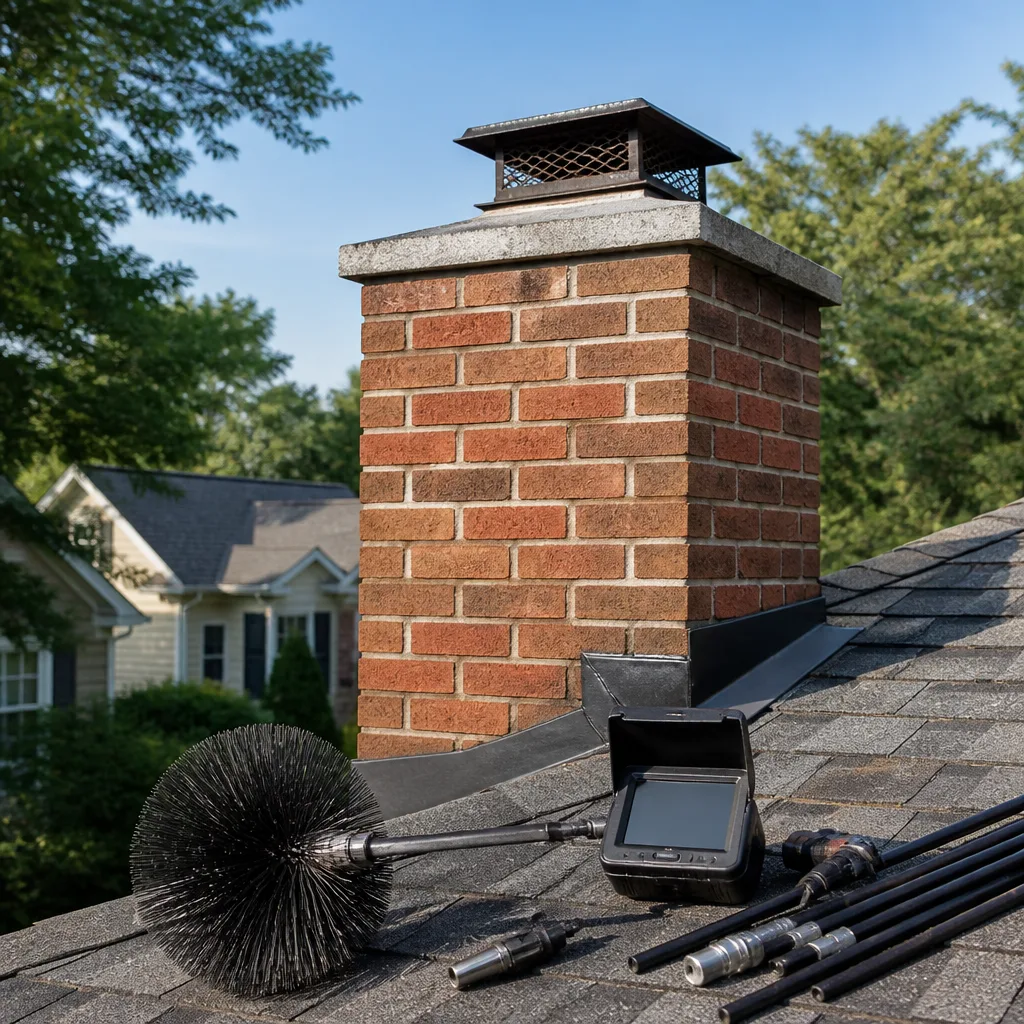 Sweep & inspection
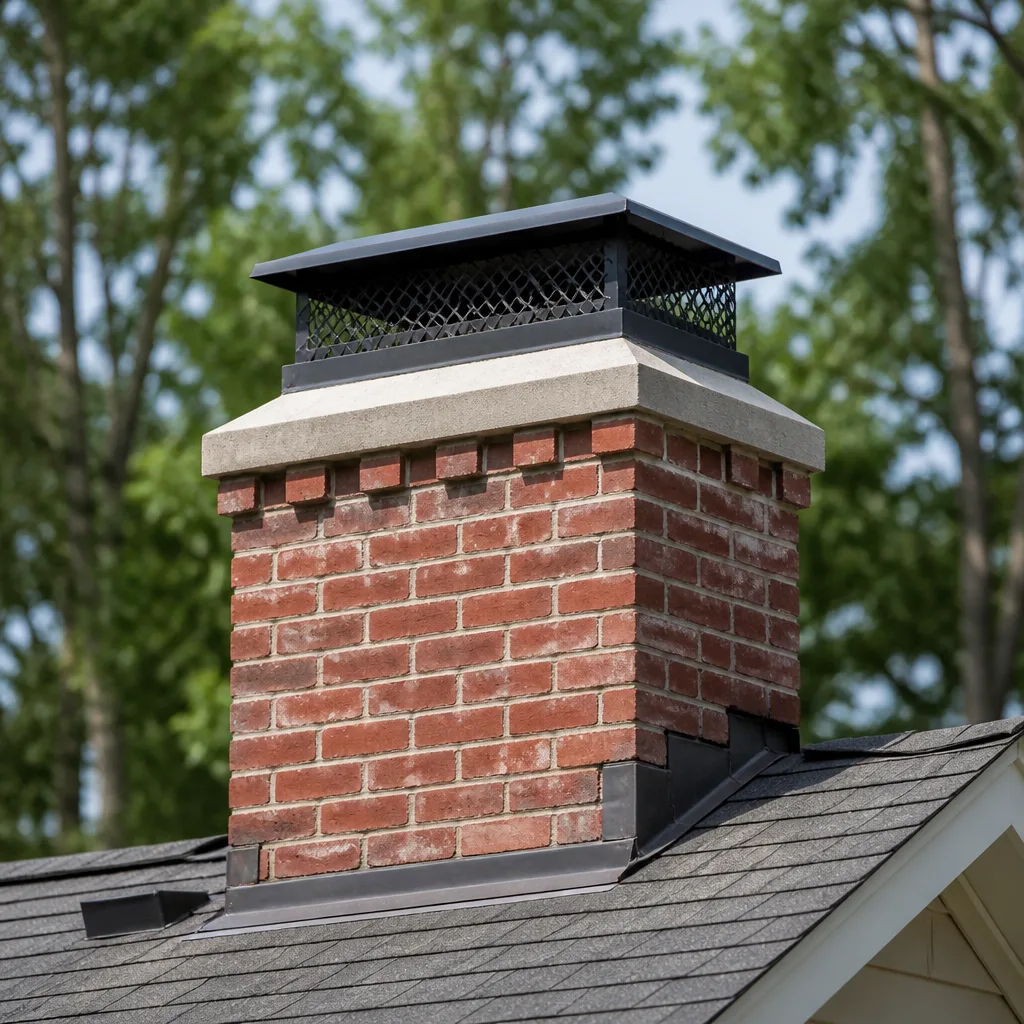 Caps & crowns
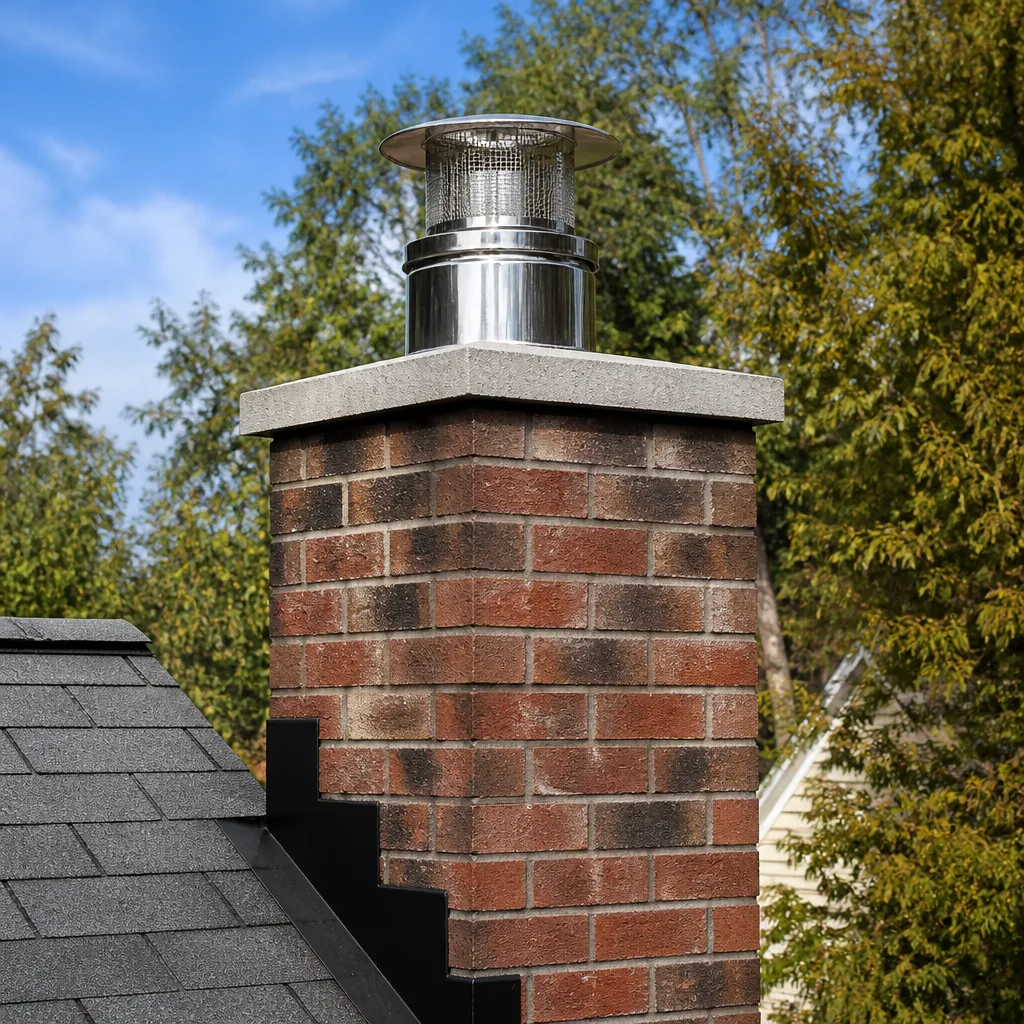 Flue relining
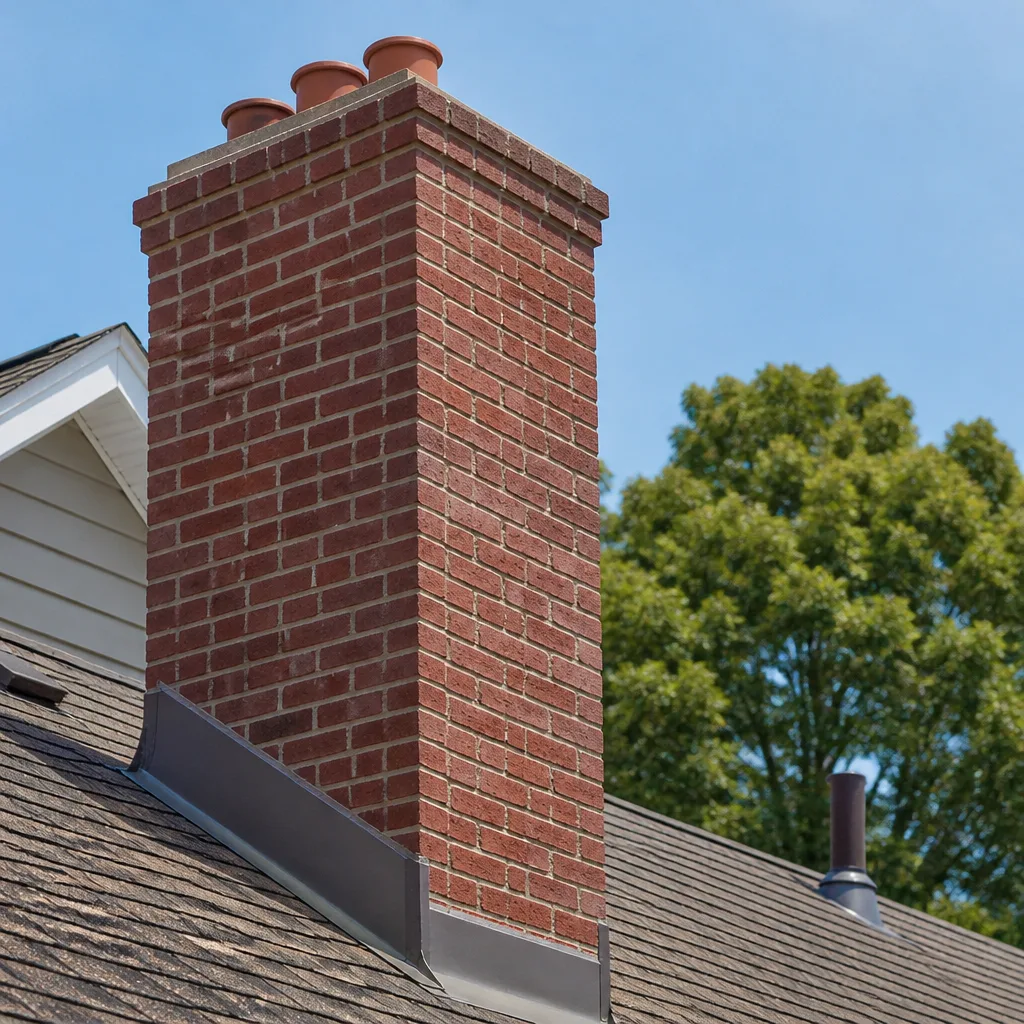 Masonry repair
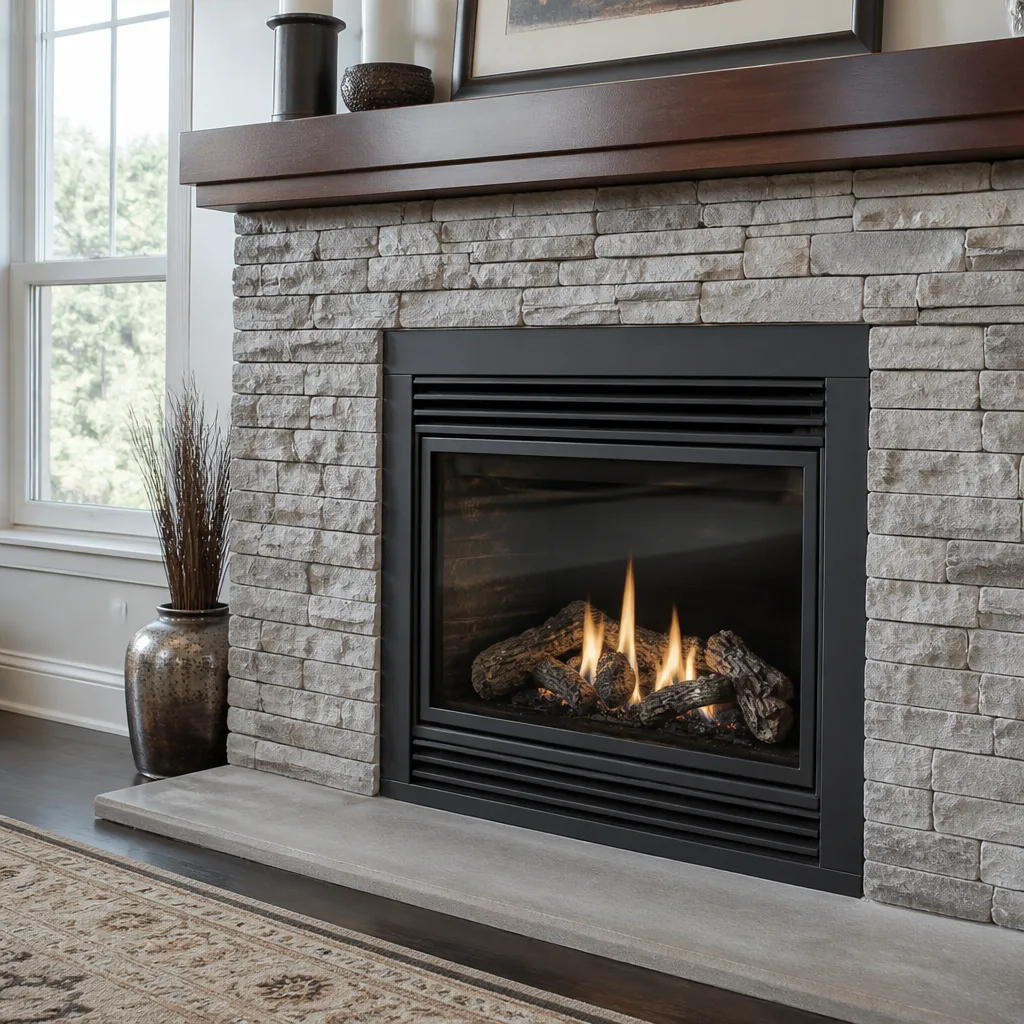 Gas fireplace service
Level 1 sweep and inspection to the NFPA 211 annual standard - flue, crown, cap, and flashing checked and photographed
Chimney sweep logs do not sweep chimneys. They loosen some creosote - which then falls where a brush and vacuum still have to collect it.
Chimney Cleaning Warning Signs: A Ballard Homeowner’s Reference Guide
Most Ballard homeowners picture a chimney problem as a dramatic event: a loud crack, a puff of smoke inside the living room, a fire department visit. The truth is quieter and slower. Chimneys almost never fail without broadcasting the news first, often for months, through stains, odors, and draft quirks that are easy to file away as “just how the house is.” That filing instinct is the real hazard. A white streak on the brick, a faint musty smell on a damp morning, a fire that takes a little too long to catch – these are the system talking to you. This guide maps those signals to their likely causes so you can describe what you’re seeing, judge how urgent it is, and know when to stop waiting and pick up the phone.
Quick Answer
The most reliable chimney cleaning warning signs are white mineral staining or crumbling brick on the exterior, a cracked crown, rusted flashing, musty or smoky odors, black staining above the firebox opening, damaged firebrick joints, and a draft that has gotten harder to start or smoke that rolls into the room. Any of those means the chimney needs inspection, and roughly creosote buildup plus poor draft plus a cracked flue is the combination that leads to chimney fires. If you’re seeing more than one of these at once, book an inspection rather than waiting for the next seasonal cleaning.
Styles & brands we work with
- Sweep & inspection
- Caps & crowns
- Flue relining
- Masonry repair
- Gas fireplace service
Table of Contents
- What Do Chimney Odors Actually Tell You?
- Exterior Warning Signs: Efflorescence, Spalling, and Cracked Crowns
- Interior Firebox Indicators: What to Look For Inside
- Draft and Performance Signals
- Which Signs Are Urgent and Which Can Wait
- Why Ballard Chimneys Show These Signs Early
- Common Mistakes Homeowners Make
- Frequently Asked Questions
What Do Chimney Odors Actually Tell You?
A smell is the most underrated diagnostic tool a homeowner has. Your nose picks up changes in the flue long before anything visible appears, and the type of odor narrows down the cause considerably. In Ballard, where the air is damp much of the year and homes often sit closed up, a chimney smell tends to concentrate and become more obvious than it would in a drier climate.
Here’s how to read the three main categories:
- Musty or damp-earth odor. This usually points to moisture inside the chimney system. Water is getting in somewhere (the crown, the flashing, a failed cap, or porous brick) and combining with old soot and creosote deposits. It can also indicate a flue that hasn’t dried out fully after a wet season, which is common in Ballard’s climate. A musty smell is a strong nudge toward an inspection that includes the exterior components, not just a sweep.
- Strong smoky or campfire odor when the fireplace is off. This is the classic backdraft signal. It means air is pushing down the flue instead of up, usually from a blockage, a flue that’s out of balance with the firebox, negative pressure in the house, or a closed or undersized flue cap. Sooty smelling rooms after a burn is normal; a persistent smoke smell days later is not.
- Sulfurous or “rotten” odor. A sulfur-like smell often means creosote has absorbed moisture and is breaking down, or that something organic (bird nests, leaves, debris) is decaying inside the flue. It’s the least common of the three and generally warrants an inspection sooner rather than later because the source is often something physical obstructing the flue.
One rule of thumb worth remembering: if the smell shows up after rain or during humid stretches and fades in dry weather, moisture is the likely driver. If it appears regardless of weather and is strongest near the firebox, look to draft and blockage. Either way, note when it happens and describe it accurately when you call. That detail saves a lot of guesswork.
Exterior Warning Signs: Efflorescence, Spalling, and Cracked Crowns
A white stain running down the brick isn’t a cosmetic issue. That white powder is called efflorescence, and it’s the visible residue of water moving through masonry, which means moisture is already inside the chimney system. Water dissolves mineral salts as it travels through brick and mortar, then deposits them on the surface as it evaporates. By the time you see the stain, the water has been there a while.
Walk your property with a pair of binoculars and look for these exterior signals, in rough order of severity:
- White efflorescence staining on brick or mortar. Confirms active moisture movement. The cause could be a failing crown, failed flashing, missing cap, or missing rain cover.
- Spalling brick (faces flaking, peeling, or crumbling). This is the next stage. Freeze-and-thaw cycles trap water in the brick, and the brick face shears off. Spalling brick is structurally weakened brick and needs repair, not just repointing.
- Cracked or crumbling crown. The crown is the concrete slab on top of the chimney that sheds water away from the masonry. When it cracks or separates from the flue, water runs straight down into the chimney structure. Crown damage is one of the most common causes of the interior problems we see in Ballard homes.
- Rusted or missing flashing at the roof line. Flashing is the metal collar that seals the chimney to the roof. Rusted, lifted, or missing flashing is a direct path for water into the roof deck and the chimney chase. It’s also one of the easiest to spot from the ground.
- Missing or damaged cap. A cap keeps rain, birds, and debris out of the flue. A missing cap invites all three, and birds’ nests are a surprisingly common cause of draft failure in spring.
What each of these means structurally is the same in broad strokes: water is beating the chimney’s defenses. Water damage compounds. A crack that starts small in fall becomes a spalled brick or a rusted liner support by the following spring. This is where a chimney cap & crown service earns its keep, since the crown and cap are the two components most responsible for keeping water out in the first place.
Interior Firebox Indicators: What to Look For Inside
The firebox is where the most readable symptoms live, and it’s the one area you can inspect safely without climbing. Get a good flashlight and look inside the firebox before your next fire. You can examine the firebox, the damper, and the visible flue throat without lighting anything or reaching inside.
Four interior signs worth knowing:
- White powder or crusty deposits inside the firebox or on the damper. This is also efflorescence, and its presence inside the firebox means moisture is getting in from the top down. The chimney chase is absorbing water and the firebox is where it’s evaporating out. This is a strong indicator the crown, cap, or flashing needs attention.
- Black staining above the firebox opening (above the lintel). Black streaks above the fireplace opening mean smoke is escaping the firebox rather than going up the flue. It can happen with a firebox that’s oversized for the flue, a partially blocked flue, a smoke shelf that’s filled with debris, or negative pressure in the home. The staining pattern is essentially a smoke map of where the draft is failing.
- Damaged or crumbling firebrick joints. The firebricks lining the firebox are held together by refractory mortar rated for high heat. When the mortar between firebricks crumbles or the bricks themselves crack or shift, the firebox is no longer containing heat as designed. That’s a repair, not a cleaning item, and it should be addressed before another fire.
- Heavy creosote buildup visible in the firebox or throat. Creosote comes in stages from a light flaky soot to a hard, glossy, tar-like glaze. The glazed stage is the most flammable and is the single biggest contributor to chimney fires. If you can see a thick, shiny, tar-like coating in the visible throat, book a sweep before your next burn.
Firebox damage is one of the areas where fireplace repair does what a cleaning can’t. If the firebox needs restoration and the structure itself is sound, HeatShield products allow firebox and flue restoration without full demolition. That’s a meaningful distinction: repair is often possible, but only when the diagnosis comes first.
Draft and Performance Signals
Draft is the chimney’s heartbeat. When a chimney is drafting well, a fire lights quickly, burns cleanly, and pulls smoke straight up. When draft starts to falter, you’ll notice small things first. Because Ballard homes sit in a wet, cool-morning, mild-afternoon climate, temperature swings can make a borderline chimney draft poorly on a cool morning and fine by afternoon. That inconsistency can mask a real problem.
Watch for these performance signals:
- Smoke rolling into the room when you open the damper or light the fire. Called smoke rollout, this is a draft failure. Common causes are a blocked flue (nest, soot fall, debris), a flue that’s too small for the firebox opening, a closed or undersized cap screen, or negative pressure in the house from kitchen and bath exhaust fans. Opening a nearby window can confirm negative pressure (the fire improves) but isn’t a fix, it’s a diagnosis.
- Slow lighting and a fire that struggles to stay lit. A fire that “wants to go out” in an otherwise normal firebox almost always means insufficient draft. Cold flues draft slowly right after a home has sat empty or hasn’t had a fire in months. But a fire that consistently fights you across multiple uses, especially after good paper-and-kindling starts, points to a flue problem, not a technique problem.
- Downdrafting (a puff of smoke or soot when the fire is going). Downdraft occurs when air reverses and comes down the flue. Common causes include a flue that is shorter than the surrounding roofline creates a pressure problem, a missing or damaged cap, or a flue that has lost its draft because of heavy creosote or a partial obstruction.
- Uneven or lazy burn. A fire that burns down one side, or that smolders constantly, can signal a partially blocked flue or a firebox-to-flue mismatch. It also means the fire is producing more creosote than a hot, even burn would.
Draft problems deserve a sweep-and-inspection visit rather than hopeful waiting, because they’re the signals that people most often dismiss as “the wood was damp” or “the chimney’s just cold.” Sometimes they’re right. Frequently they’re not.
Which Signs Are Urgent and Which Can Wait
Not every warning sign is an emergency. Some mean “call this week,” some mean “schedule the next inspection,” and knowing the difference saves money without compromising safety. Here’s how we sort them.
Call now (do not light another fire):
- Visible glazed, tar-like creosote in the firebox or throat.
- Smoke rollout into the room that doesn’t clear when you open a window.
- Any sign of a past chimney fire (cracked flue tiles, a puffy or warped damper, heat-stained exterior masonry near the top of the chimney, a strong hot smell after a fire that seemed normal).
- A flue that is visibly blocked or that a bird or squirrel is actively entering.
- Damaged firebox joints or a shifting firebrick.
- Any suspicion of carbon monoxide in the home, along with a gas-burning appliance.
Schedule within the next few weeks:
- Efflorescence on the exterior or inside the firebox.
- A cracked crown, rusted flashing, or a missing cap.
- A persistent musty or smoky smell when the fireplace is off.
- Draft that has gotten noticeably weaker over the season.
Document and bring up at the next cleaning:
- Minor spalling that isn’t actively crumbling.
- Black staining above the lintel with no current smoke rollout.
- An occasional smoky smell that clears quickly.
The clean rule: if a symptom involves creosote, draft failure, a possible past fire, or safety-relevant component damage, call. If it involves moisture and water intrusion, call sooner rather than later, because water damage grows. If it’s cosmetic and stable, note it and bring it up at your next scheduled cleaning.
Why Ballard Chimneys Show These Signs Early
Chimneys in Ballard live through a specific combination of conditions that accelerates wear. Most of the housing stock here is older, and many chimneys were built with materials and methods that predate modern liner requirements. That means the chimneys you’ll find in Ballard are often doing more work than they were originally designed for, in conditions that test them harder than a dry-climate chimney would be tested.
Three factors to keep in mind:
- Wet, mild winters. Wet weather is hard on masonry. Brick and mortar absorb water, then go through repeated wetting and drying. The freeze-thaw cycles we do get, even mild ones, are enough to widen hairline cracks over time. Efflorescence and spalling are more visible here than in drier regions.
- Long dormant periods between fires. Many Ballard fireplaces sit unused through the warm months and through stretches of the wet season when people don’t want to haul wood. Dormant flues collect debris (nesting birds, leaves, soot falls) and absorb moisture. When the first fire of the season arrives, a blockage that would have been cleared by regular use is sitting there waiting.
- Mature neighborhood trees. Ballard’s tree canopy is one of its best features and one of its chimneys’ quiet problems. Leaves, twigs, and seed pods find their way into open flues, and roof gutters around the chimney collect wet debris that keeps the crown and flashing damp. The greenery that shades the home also keeps the chimney cooler and slower to dry.
None of that means every Ballard chimney is in bad shape. It does mean that the warning signs in this guide tend to show up a little earlier here than in a dry, sunny climate, and a chimney that’s been quietly sitting for a year or two is worth a look. A chimney sweep visit that includes a camera inspection tells you more in twenty minutes than a season of guesswork.
Common Mistakes to Avoid
- Treating efflorescence as a cleaning problem. Power-washing a white stain off the brick looks like progress and hides nothing. It removes the visible residue while the water source keeps feeding it. Fix the crown, cap, or flashing and the stains stop returning.
- Reading smoke smell as “the chimney just smells like a chimney.” Sooty smell right after a fire is normal. A smoky smell days later, or one that shows up when the fireplace is off, is a draft or moisture signal worth an inspection.
- Waiting until fall to call. In Ballard, the busiest weeks for chimney service are the ones right before the first cold snap, when everyone remembers the chimney at once. Booking a spring or summer cleaning and inspection catches problems before the season when you need the fireplace back.
- Assuming a gas fireplace doesn’t need attention. Gas-burning appliances still have a flue, a vent, and a drafting path, and they still need inspection for carbon monoxide safety. The symptoms look different (no creosote), but the checks don’t go away.
- Ignoring a firebox that’s visible but “still works fine.” A crumbling refractory joint doesn’t need to be failing loudly to be a safety issue. The firebox is containment of heat. Damaged containment should be repaired with the right product, not patched by a generalist with cement.
- Skipping the inspection because the sweep was recent. A cleaning and an inspection are different services. A sweep clears soot and creosote; an inspection with a camera checks the flue, the crown, the cap, and the masonry for issues that cleaning doesn’t reveal.
- Assuming one repair fixes the whole chimney. Chimneys are systems, and water intrusion, draft problems, and firebox wear often show up together. When you’re seeing multiple signs, the fix is usually the whole chimney addressed from top to cap, not one patch.
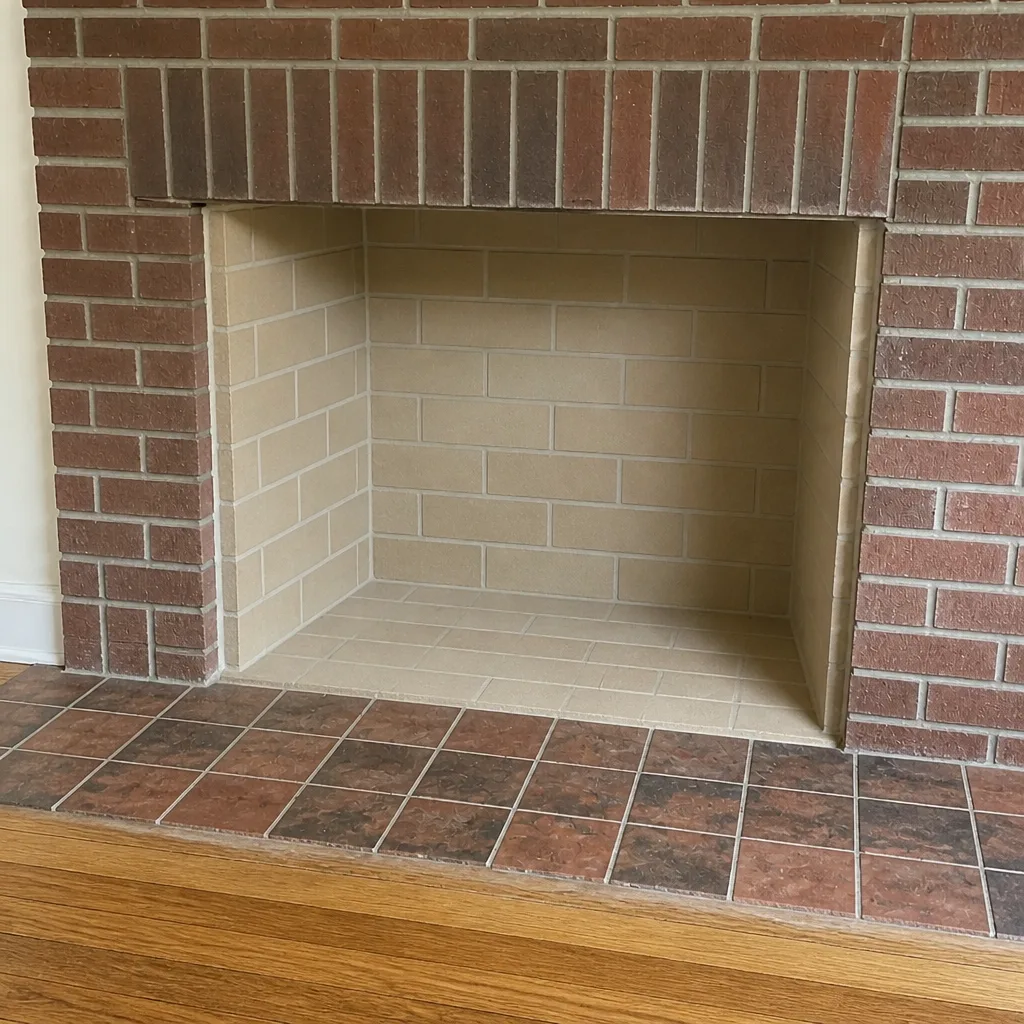
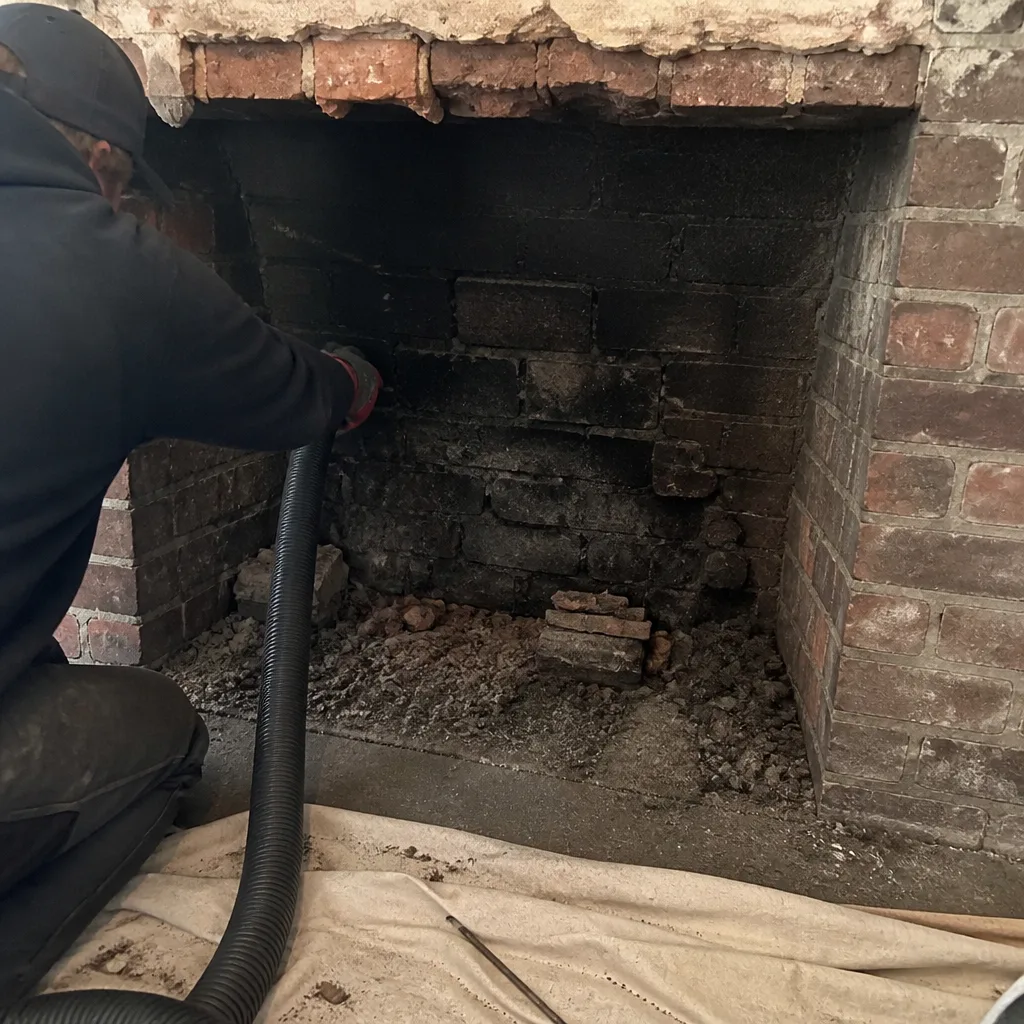
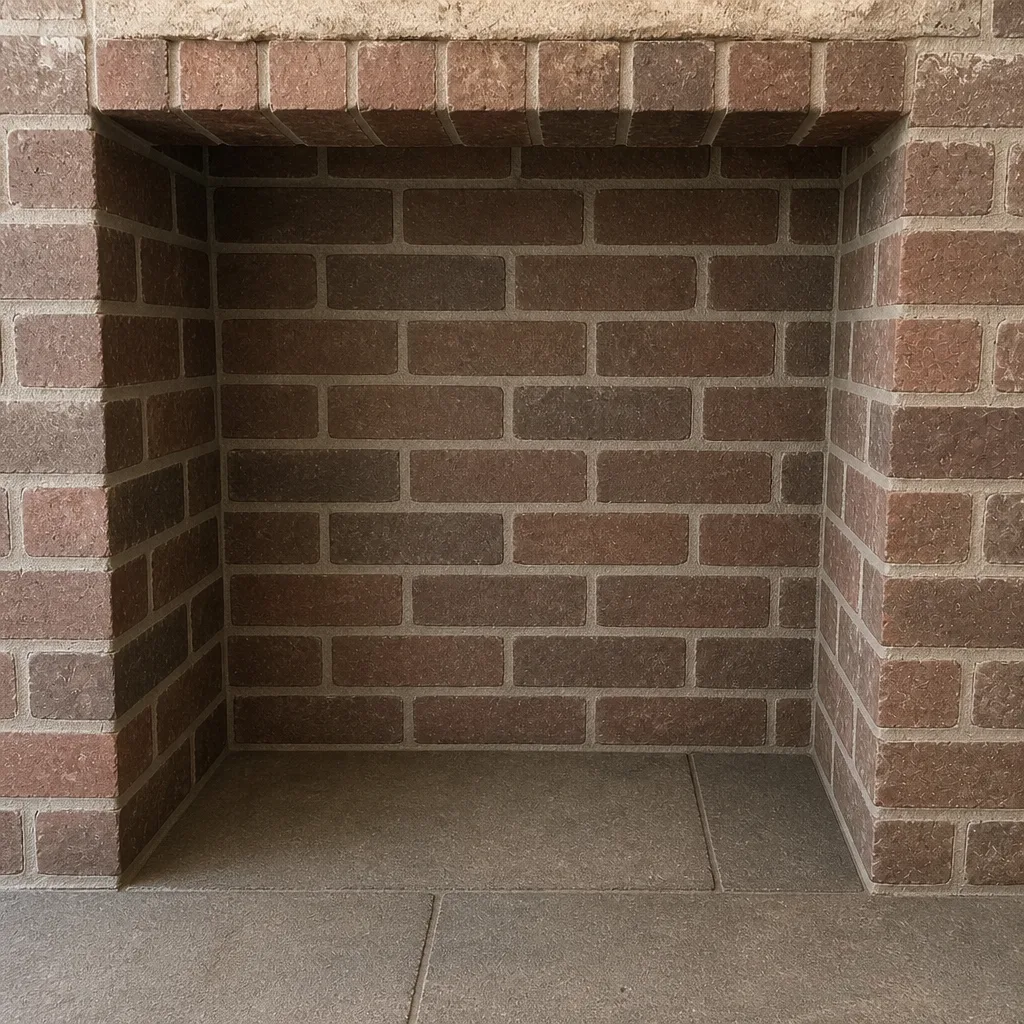
See the difference
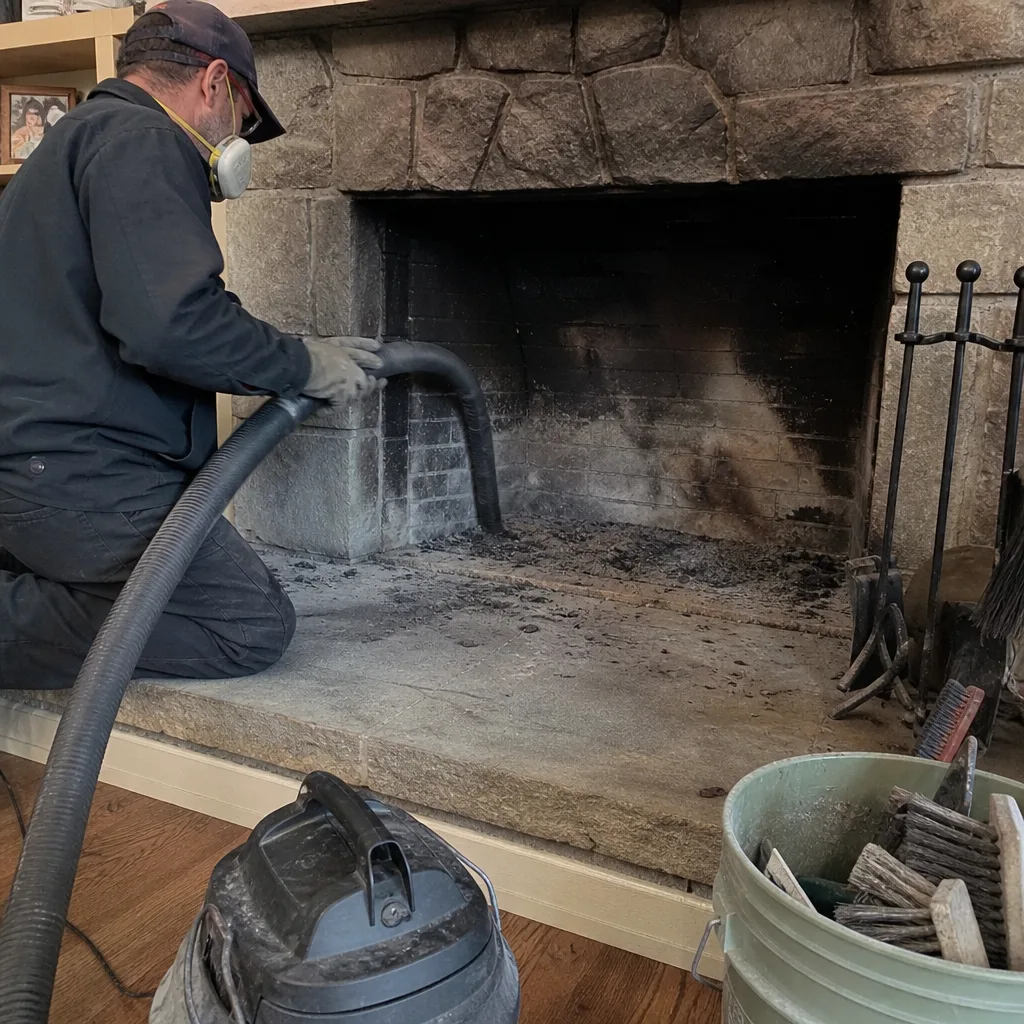 Before
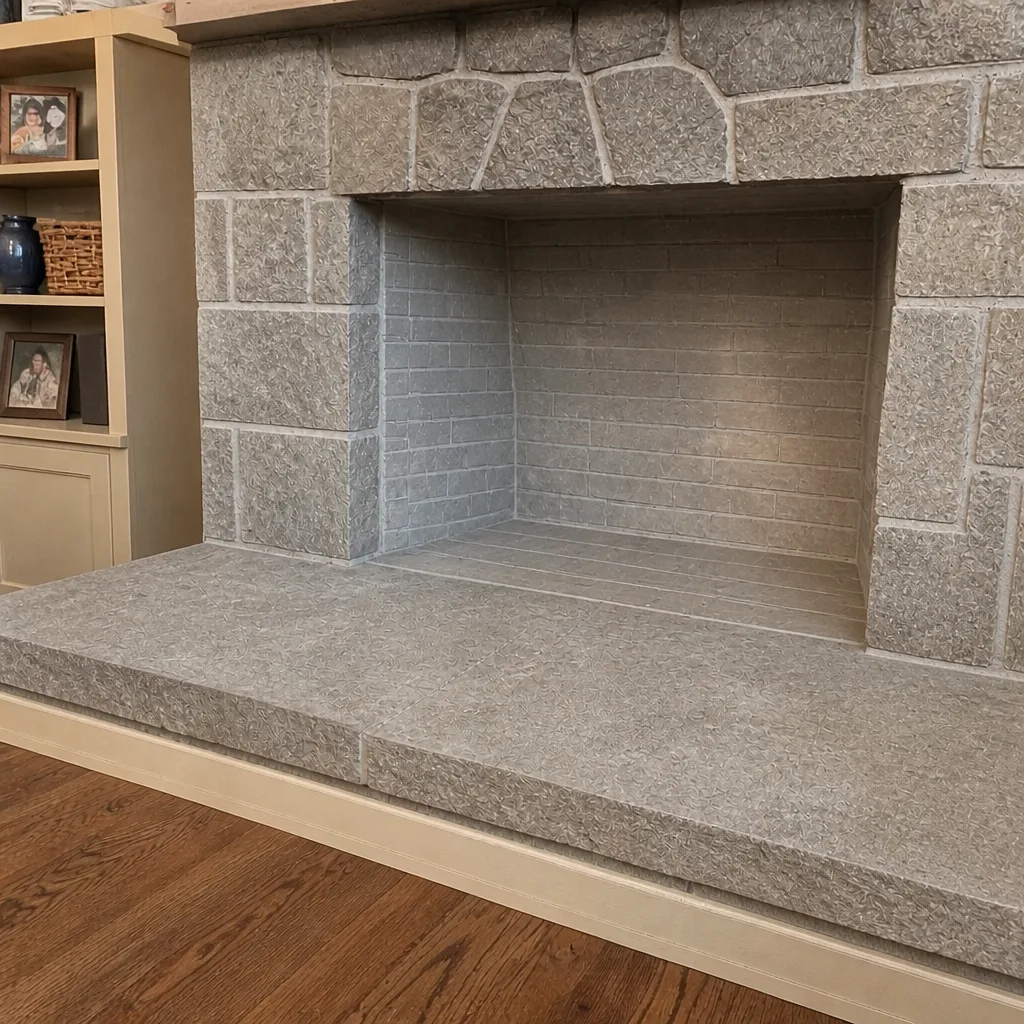 After
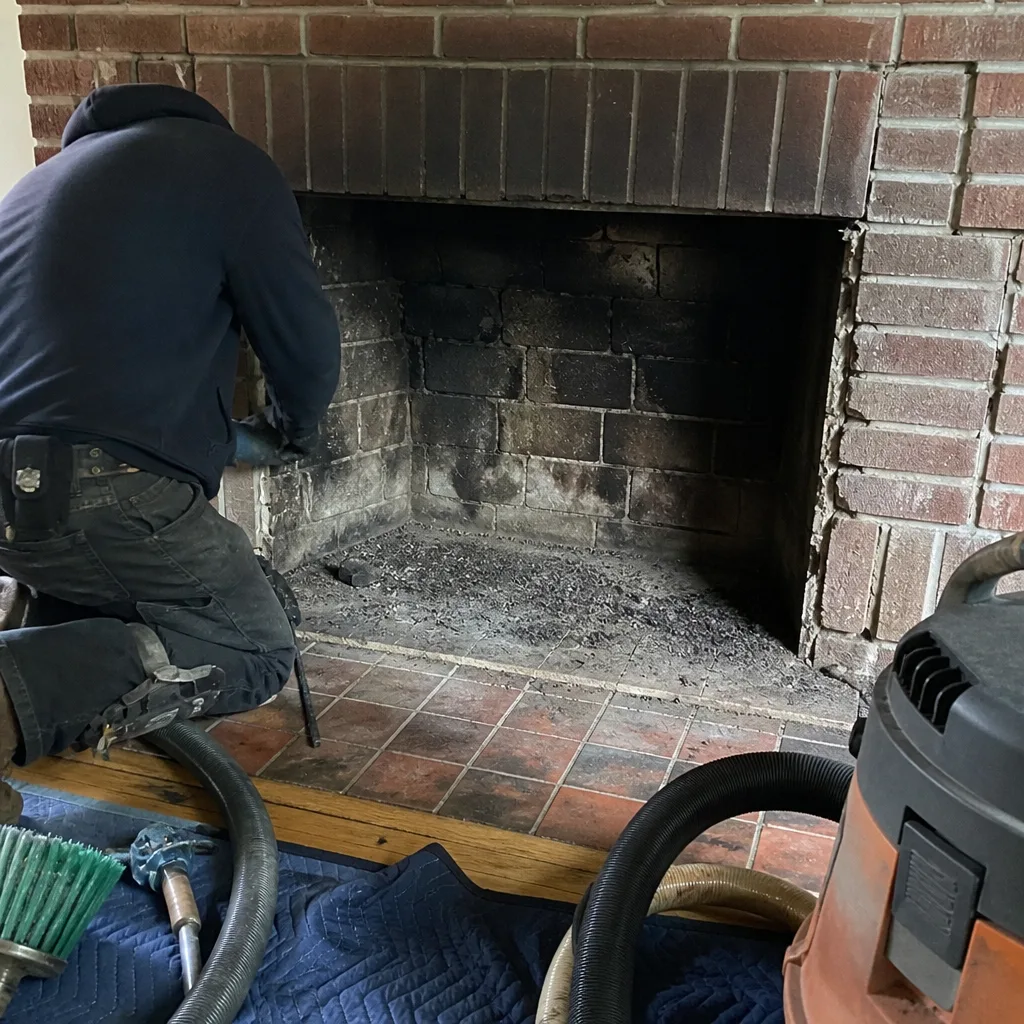 Before
 After
 Before
 After
When to Call a Professional
Call a professional if you are seeing more than one warning sign at once, if any sign points to creosote, draft failure, or a possible past chimney fire, or if you can’t confidently identify what you’re looking at. Chimney inspection with a camera and a full top-to-cap review is the only reliable way to know what’s happening inside a flue. Do not light a fire if the firebox lining is damaged, the flue is blocked, or you suspect a chimney fire has already occurred. Those are professional-assessment situations, not diagnostic ones.
If the signs you’re seeing are more subtle (a smell, a stain, a draft that seems a little weaker than it used to be), the honest answer is that waiting isn’t dangerous but waiting isn’t smart either, because moisture and creosote both get worse, not better, with time. Chimney Sweep Ballard offers free estimates in Ballard, so the cost of finding out is zero. Call (844) 405-4527. We answer 24/7. Fast dispatch from 7am to 7pm, Sunday through Friday.
Frequently Asked Questions
For most Ballard homeowners, the first sign is a change in smell or draft rather than anything visible: a smoky or musty odor when the fireplace is off, or a fire that’s harder to start than it used to be. A sweep with a camera inspection confirms whether creosote buildup or debris is the cause, and that diagnosis is what all our recommendations are based on. We inspect before we recommend anything. Call (844) 405-4527 for a free estimate.
It’s not dangerous by itself, but it is a sign that water is moving through the masonry, which is the first step toward more serious damage. Efflorescence means the chimney has been absorbing and releasing water, and that water is getting past the crown, flashing, or cap. Left alone, efflorescence leads to spalling brick and, eventually, structural damage. A free estimate will tell you where the water is entering and what it will take to stop it. Call (844) 405-4527 to book one.
A smoky smell when the fireplace is off usually means backdraft or a draft failure; a creosote smell is heavier, oilier, and often stronger after rain or in humid weather. Creosote that has glazed into a tar-like coating is the more flammable of the two and should be removed before any further burn. If you can’t tell the two apart, an inspection answers the question with a camera rather than a guess. Call (844) 405-4527 and we’ll book it.
An annual inspection is the baseline for any wood-burning fireplace, and a cleaning whenever inspection shows enough buildup to warrant one. In Ballard’s wet climate, chimney components take more water stress than in dry regions, so a yearly look at the crown, cap, and flashing is worth as much as the interior sweep. If the fireplace sat unused all last season, book both together. Call (844) 405-4527 to schedule.
Yes. Slow-burning chimney fires can smolder in a flue with little obvious symptom at the time, and the evidence shows up later as cracked flue tiles, a warped damper, or puffy creosote. That’s one reason a visual inspection with a camera matters: it catches the aftermath of a fire you may not have known happened. If you suspect one, treat it as urgent. Call (844) 405-4527.
Chipped or crumbling firebrick joints mean the firebox is no longer containing heat the way it was built to, and it should be repaired before another fire. It’s not usually an immediate panic, but it is a “stop burning until it’s assessed” situation. HeatShield restoration can often repair firebox and flue surfaces without a full demolition, when the assessment shows the structure is sound. Call (844) 405-4527 for a free estimate and we’ll confirm what’s happening before anything is recommended.
Not the same signs, but they do need attention. Gas-burning appliances don’t produce creosote, but they still have a flue, a venting system, and a draft path that need inspection, along with carbon monoxide safety. A musty smell, a draft change, or a fireplace that’s burning oddly is still worth a look. Our team inspects and repairs gas fireplaces alongside wood-burning ones.
A sulfurous or “rotten egg” smell near a gas-burning appliance is a potential gas leak and should be treated as an emergency: leave the area and call your gas utility from outside. If the smell is musty rather than sulfurous, it’s more likely moisture in the chimney system and should be inspected. When in doubt, err on the side of calling your utility, then call a chimney specialist for an inspection.
The Bottom Line
Chimney problems almost always announce themselves first through stains, smells, and drafts, not through drama. The homeowner’s job is not to diagnose the problem but to notice it and describe it accurately. Efflorescence means water is moving through the masonry. Musty, smoky, and sulfurous odors each map to a different cause. Damaged firebrick and black staining above the lintel mean the firebox is failing to contain. Draft changes mean the flue path is compromised. Sort them by urgency: creosote, smoke rollout, and suspected chimney fires call now; moisture and draft problems call within a few weeks; minor and stable changes get documented for the next inspection. That’s the whole reference. The pieces are easy to miss. Once you know what you’re looking for, they’re hard to unsee.
If you’re seeing any of the signs in this guide and you’re not sure how serious they are, a free estimate is the fastest way to know. Call (844) 405-4527. We answer 24/7. Fast dispatch from 7am to 7pm, Sunday through Friday. You’ll get a camera inspection, a photo report you can see for yourself, and a clear answer on what needs to be done now and what can wait. That’s the standard we hold to for every Chimney Sweep Ballard customer.
Written by the team at Chimney Sweep Ballard.