
Last updated November 25, 2026
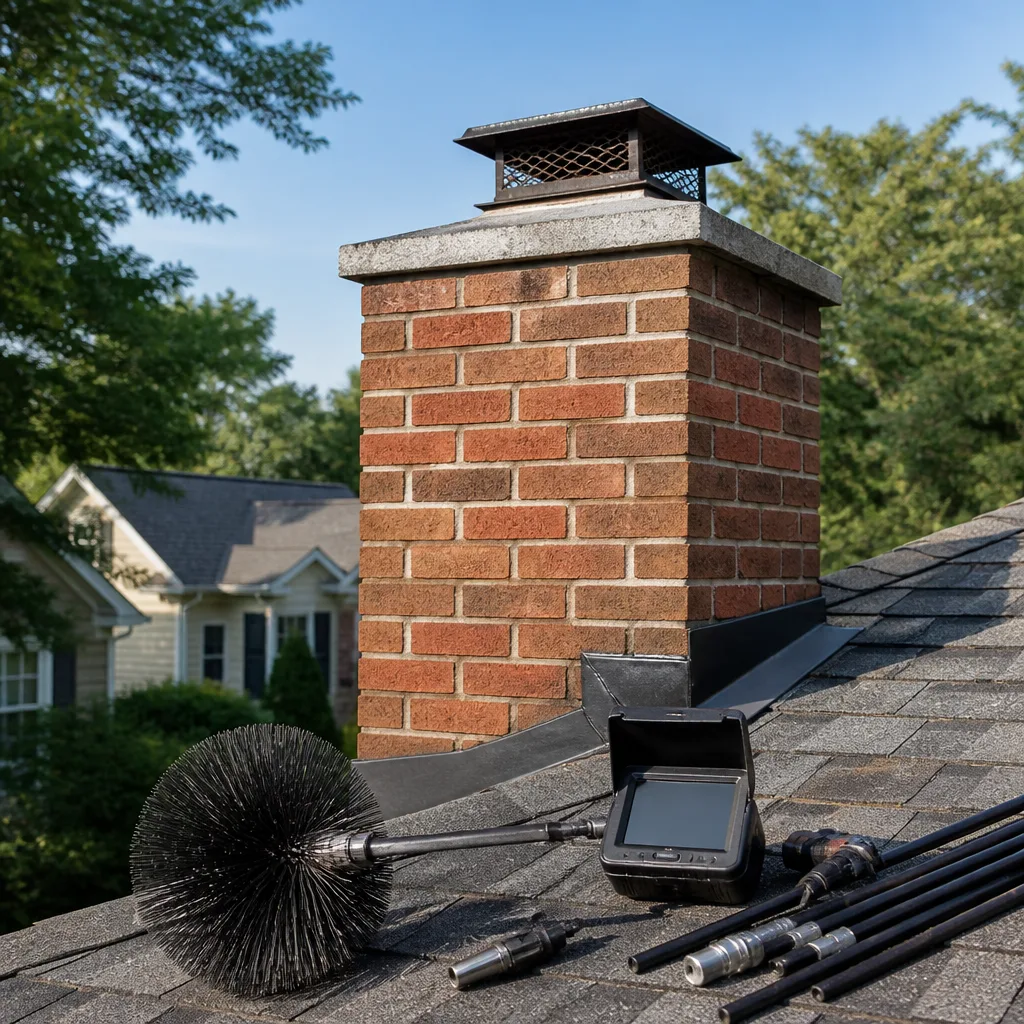 Sweep & inspection
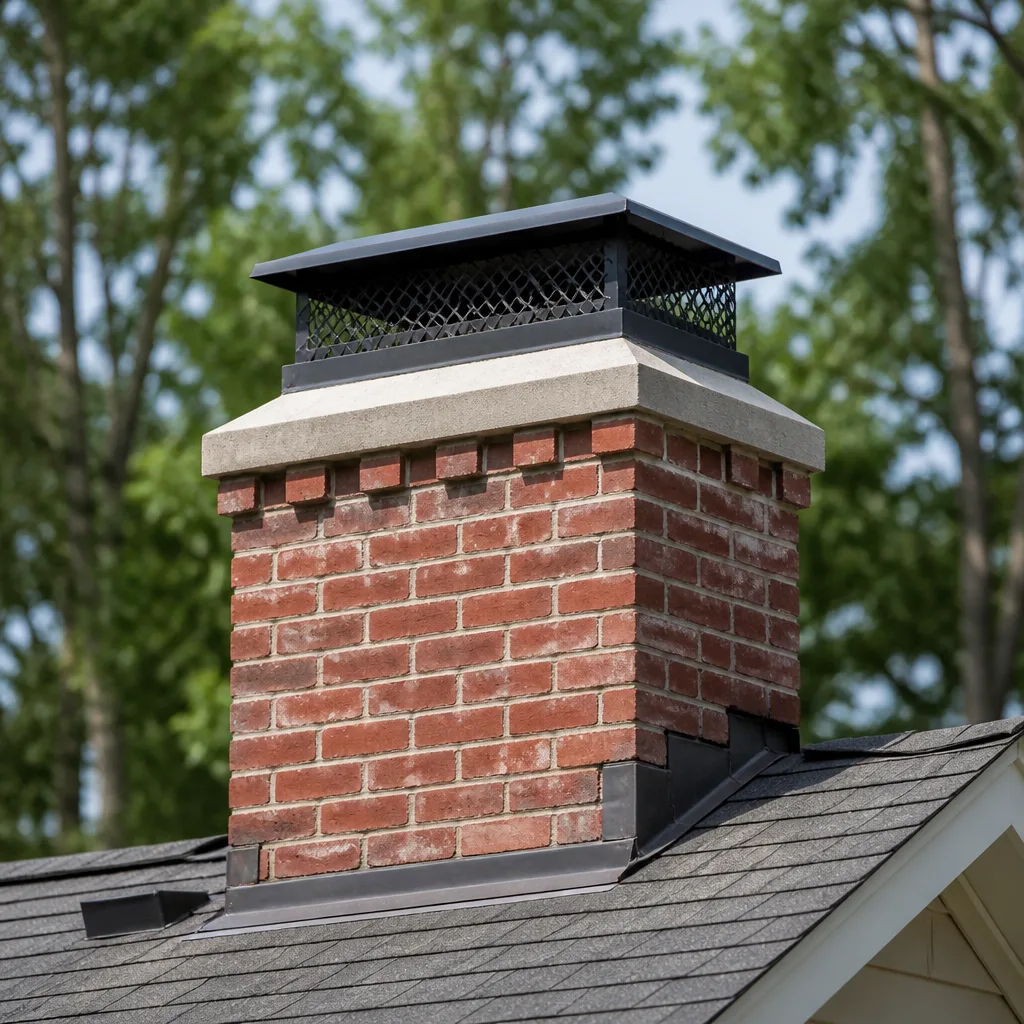 Caps & crowns
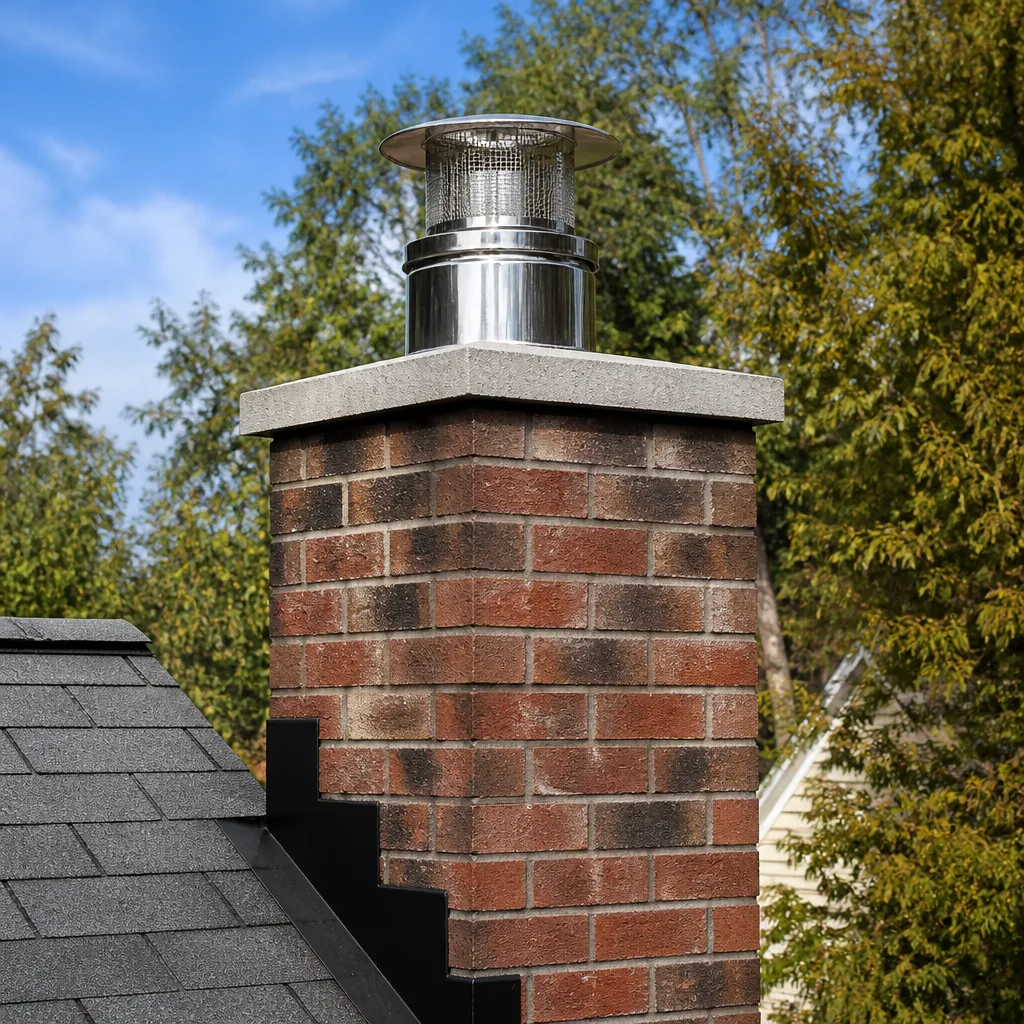 Flue relining
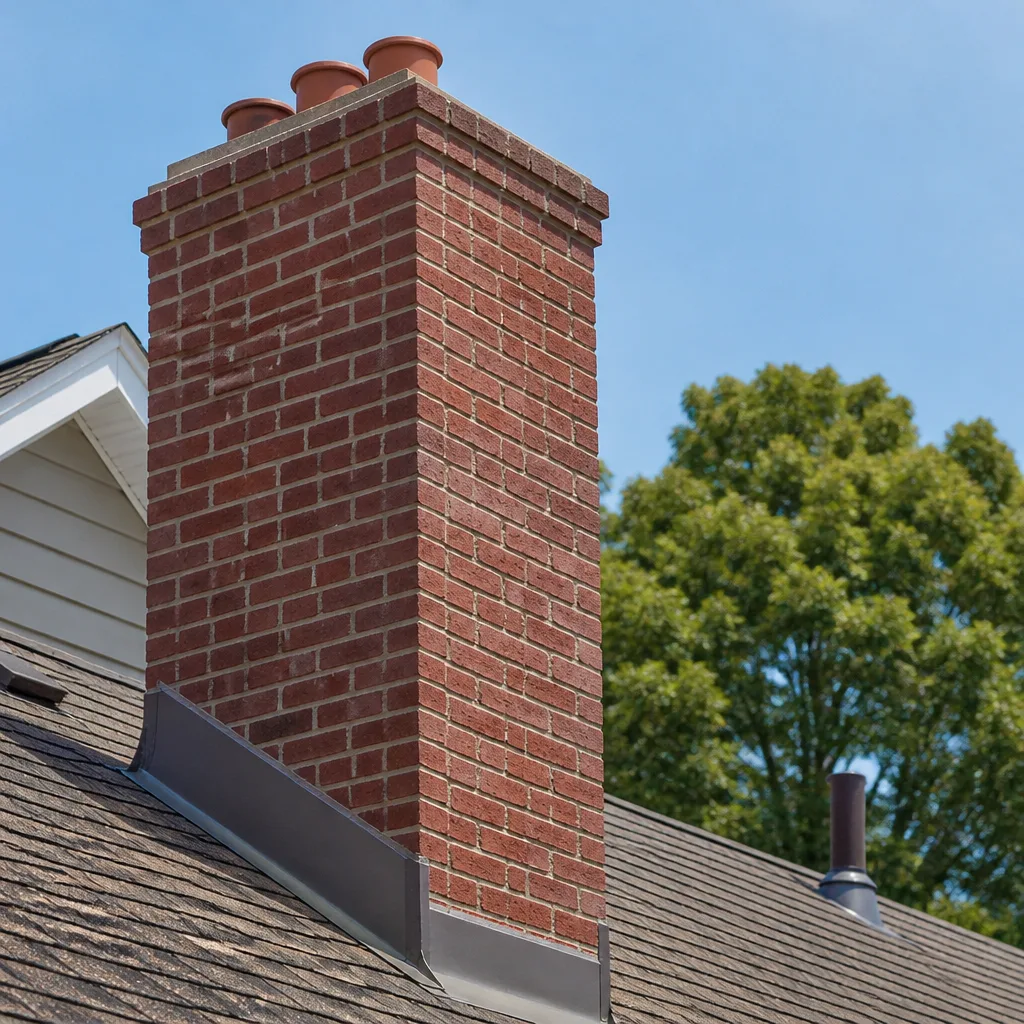 Masonry repair
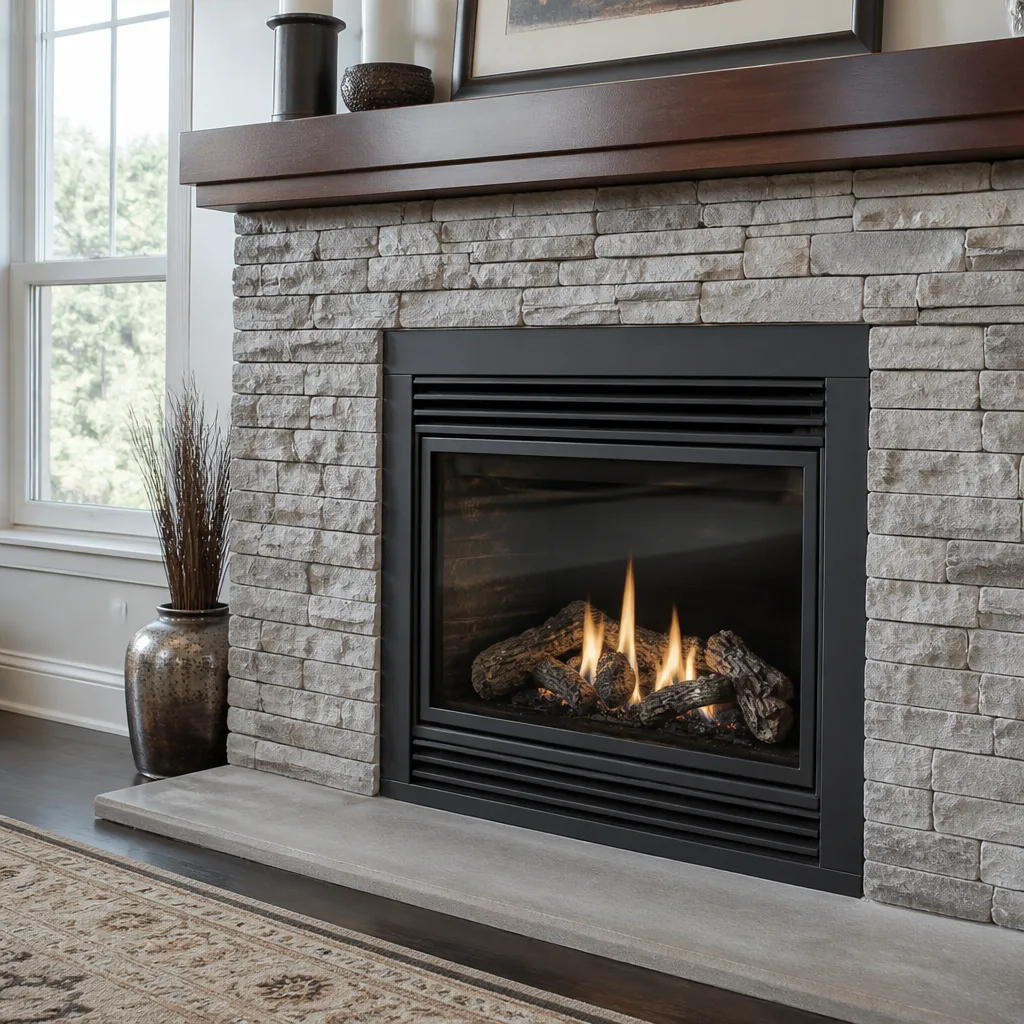 Gas fireplace service
Level 1 sweep and inspection to the NFPA 211 annual standard - flue, crown, cap, and flashing checked and photographed
Chimney sweep logs do not sweep chimneys. They loosen some creosote - which then falls where a brush and vacuum still have to collect it.
Seasonal Chimney Cleaning Care for Ballard: Year-Round Homeowner’s Guide
The most damaging stretch for a chimney in Ballard isn’t the cold snap in January. It’s the long, damp dormancy between the last fire in spring and the first one in fall. For eight months or so, an uncapped or under-maintained flue sits idle while moisture works quietly on mortar joints, liner seams, and steel components, and nobody notices because nobody’s using the fireplace. Most homeowners treat chimney care as a fall ritual, but in Ballard’s climate the higher-value work happens after the burning season ends. This guide walks through a year of chimney care built around that reality, not a generic national template: what to check in each season, why a spring inspection earns you more than an October one, and what a cold-start flue actually needs.
Quick Answer
In Ballard’s climate, the highest-value chimney maintenance happens in late spring and early summer, not fall. A post-season inspection in April or May catches moisture, animal, and mortar damage with months to repair it before the next burning season, while fall should be reserved for a clean sweep and a final safety check before you light the first fire. Year-round care means treating the chimney as a system that’s drying out for most of the year, not a fixture that only matters when it’s in use.
Styles & brands we work with
- Sweep & inspection
- Caps & crowns
- Flue relining
- Masonry repair
- Gas fireplace service
Table of Contents
- Why Ballard’s Chimney Calendar Looks Different
- Why Post-Season Inspection Beats Pre-Season Inspection Here
- Clay Tile Liners and Freeze-Thaw: What to Look For
- Summer Checklist: Cap, Crown, Flashing, and Animals
- Reading the Smoke Shelf and Smoke Chamber Before Burning Season
- Fall Prep: What to Confirm Before the First Fire
- Winter: Burning Clean and Watching for Warning Signs
- When to Call a Professional
Why Ballard’s Chimney Calendar Looks Different
Most seasonal chimney advice you’ll read online assumes four roughly equal seasons, with winter as the main event and summer as a quiet window. Ballard doesn’t work that way. The practical reality here is a long, wet dormancy period and a short, intense burning window. That single fact reshapes which tasks matter and when.
During the dormant stretch, temperatures swing above and below freezing often enough that any moisture trapped in masonry, mortar, or a liner seam goes through repeated cycles of freezing and thawing. Water expands when it freezes. It’s patient. Small cracks open, hold a little more water, and widen the next time around. This is why a chimney that looks fine in October can already have months of quiet damage behind it, and why the spring check after the fires go out is more diagnostic than the autumn one that follows a dry summer.
Ballard’s housing stock matters here too. Many homes here are older and were built with clay tile liners, which are rigid, jointed, and vulnerable to exactly this kind of slow freeze-thaw movement. Newer builds may have a stainless system, but plenty of Ballard homes still run on original masonry. Age isn’t automatically a problem, but it does mean a spring inspection is genuinely useful rather than just a formality.
The second shift is what a short burning window means for soot and creosote. A homeowner here might burn hard for four or five months and then stop. That’s a lot of deposit accumulating in a relatively compressed period, and if the flue never gets cleaned before the summer dormancy, those deposits sit damp for the better part of a year. That’s an avoidable condition. A clean chimney is a safe chimney, and the spring cleaning sets the whole year up correctly.
Why Post-Season Inspection Beats Pre-Season Inspection Here
An April or May inspection tells you what actually happened over the winter and hands you the entire dry season to fix it. An October inspection tells you the same things but hands you three weeks and a deadline. In a long-dormancy climate like Ballard’s, that difference is the whole point.
Here’s what a post-season inspection actually evaluates:
- Liner condition after a full burning season – cracks, gaps, spalling, and seam separation become visible without the soot cover that mid-season buildup creates.
- Mortar joint erosion – freeze-thaw damage from the spring is at its most readable before the summer dries it all out.
- Moisture intrusion evidence – staining, efflorescence, and rusting on steel components all say something specific about where water is getting in.
- Creosote type and volume – glazed, puffy, or flaky deposits each point to a different burning pattern, and knowing which you have changes how you run the fireplace next winter.
- The firebox and damper – both take real thermal stress over a season, and both are easier to assess before things cool down completely.
The practical value is timing. If the inspection finds a cracked tile or a failed cap gasket in May, you have months to schedule the repair, gather a second opinion if you want one, and confirm the fix before the fall rush. If you find the same thing in October, you’re making a decision under pressure with the first cold night right there. We inspect before we recommend, and a spring inspection is simply the calendar version of that principle.
One more reason: moisture damage is progressive. As long as a flue stays damp and uncapped through the summer, whatever damage the inspection would have caught is still getting worse. Catching it in May stops the clock. Catching it in October just tells you how far it got.
Clay Tile Liners and Freeze-Thaw: What to Look For
A clay tile liner isn’t one sealed tube. It’s a stack of individual tiles with thin mortar joints between them, which is why freeze-thaw movement stresses it at exactly those joints. When a joint opens, it’s not visible from the firebox and it’s not visible from the roof without looking down the flue. This is one of the reasons a proper inspection is done with a camera and not just a flashlight.
Here’s how early liner cracking tends to show up, in order of how obvious it is:
- Hairline joints before anything else. The mortar between tiles starts to crack or erode first. These are the early warning.
- Spalling on tile faces. Small flakes or chunks of clay shed from the liner surface and collect at the smoke shelf or the bottom of the flue.
- Offset or dislodged tiles. A tile that’s shifted out of alignment is a genuine structural concern, not a cosmetic one.
- Visible gaps large enough for a camera to see through. These are late-stage findings and usually mean the liner has been losing integrity for more than one season.
Each of these stages matters because a compromised clay liner can allow heat and combustion byproducts into the masonry structure behind it. That’s a fire and carbon monoxide concern, and it’s exactly the kind of thing that gets set aside until it becomes expensive. The local trade standard for a damaged clay liner is a reline, and the industry answer for most cases is a flexible stainless system. We install DuraFlex flexible liners, which is the benchmark material for this kind of relining work and lets us restore the flue from a single access point rather than demolishing the chimney.
If the inspection finds a liner in good shape, none of this applies. The point is that you can’t know which case you’re in without looking. In our experience working Ballard homes, most homeowners have no idea their liner has any issue until they see the camera footage.
Summer Checklist: Cap, Crown, Flashing, and Animals
Summer is the season homeowners are least likely to think about the chimney, which is also why it’s the season with the most undetected damage. The four things that deserve attention between June and August are the cap, the crown, the flashing, and the flue interior.
Cap and crown
The cap and the crown are the two components most responsible for water intrusion and long-term structural damage. The crown is the concrete or masonry top of the chimney, and it’s designed to shed water away from the flue. When a crown cracks or the mortar at its edge fails, water runs down into the masonry instead. A cap (the metal lid on top) protects the flue opening itself from rain, animals, and debris. Both get inspected together, and both are small jobs when caught early.
Flashing
Flashing is the metal seal where the chimney meets the roof. Rain season puts it under real stress. After the wet months, checking the flashing means looking for lifted, rusted, or gapped metal, and confirming the sealant at the roof line hasn’t dried out. A failing flashing is a roof leak that happens to enter near the chimney, and it’s often diagnosed as a chimney leak before anyone finds the real source.
Animal intrusion
An uncapped flue is a shelter, and summer is when birds, squirrels, and other animals prefer a dry, covered spot that nobody’s using. A proper cap with a stainless mesh screen is the simplest solution. If you already have a cap, check that the screen is intact and that no nest material has collected on top of the cap or dropped into the flue.
Flue interior
Even in summer, it’s worth a camera inspection to confirm nothing has entered from above and that the flue is dry. Summer moisture is actually the most persistent year-round threat to a Ballard chimney, because it’s the season that arms the freeze-thaw cycle the following winter.
Reading the Smoke Shelf and Smoke Chamber Before Burning Season
The smoke shelf and smoke chamber sit just above the damper, and they’re the parts of a fireplace system most homeowners never see. They’re also a place where moisture damage can quietly develop because the chamber is deep, dark, and rarely revisited between cleanings.
What we look for in a pre-season check:
- Discoloration or dark streaking on the chamber walls – this can indicate moisture has been sitting against the masonry.
- Loose parging or eroded mortar – the smoke chamber is parged (coated) to smooth the transition to the flue, and that coating wears over time.
- Rusting or corrosion on the damper – a damper that’s been sitting in a damp chamber all summer will often show rust, and a damper that doesn’t seat properly is a draft and safety issue.
- Debris on the smoke shelf – soot, spalled tile fragments, or animal debris collected on the shelf can restrict draft.
- Draft performance – an undersized or poorly shaped smoke chamber can cause smoke to spill into the room during a cold start.
A smoke chamber with significant erosion or damage sometimes calls for restoring the parging rather than rebuilding the whole firebox. That’s where a specialist application like HeatShield comes in. HeatShield is a restoration material used to smooth and repair damaged firebox and flue surfaces without demolition, and it’s the kind of specialist-level work that general handymen aren’t equipped for. We use it specifically because it lets us restore a structurally sound firebox without tearing it apart.
Reading the smoke chamber before burning season is a diagnostic exercise, not a repair one. It just tells you whether the system is ready to draft correctly when you light the first fire. If it isn’t, that’s better known in September than in December.
Fall Prep: What to Confirm Before the First Fire
Fall prep is not the time for major discovery. If the spring inspection and summer checklist went well, October should be a matter of confirming rather than deciding. Here’s the sequence:
- Confirm the flue is clean. If you haven’t swept since the end of last season, do it before the first fire. Creosote sitting through the summer doesn’t improve with age.
- Check the cap screen and crown. A quick visual on the roof confirms nothing shifted over the summer.
- Inspect the damper operation. Open and close it fully. It should move smoothly and seal.
- Test draft with a cold-start warm-up. A flue that’s been cold for months needs to be warmed before it will draft well. A common mistake is loading a full firebox on the first fire of the year. Instead, light a small fire with a bit of kindling and newsprint, let the flue warm up for several minutes, and then add larger wood once the draft has established.
- Confirm the liner and smoke chamber are intact. If the spring inspection already confirmed this, you’re set. If not, a fall camera inspection is your last safe window.
The cold-start warm-up protocol matters more here than in warmer climates because the dormant period is long. A flue that’s been sitting cold and damp since April is going to resist draft strongly on the first fire. Warming it slowly reduces smoke spill into the room and reduces thermal shock on the liner. It’s the first thing we tell homeowners when the fall appointment wraps up.
Fall is also the right time to book a chimney sweep if the spring one didn’t happen. It’s not the ideal window, but it’s better than starting the season with a dirty flue.
Winter: Burning Clean and Watching for Warning Signs
Winter care is mostly about how you burn and what you notice. Chimney maintenance doesn’t stop while the fireplace is active; it just takes a different form.
Burn dry, seasoned wood
Wet or green wood produces more creosote, more smoke, and less heat. It’s the single biggest variable in what accumulates in your flue over a season. If you can split and stack wood well ahead of winter, do it. If not, buy wood that’s already seasoned.
Don’t run the fire low and slow for long stretches
A smoldering fire produces the kind of glazed creosote that’s hardest to remove and most dangerous to leave in place. Burning hotter and shorter is generally safer for the flue than damping a fire down and letting it creep. The trade-off is that you’ll go through wood faster, but the chimney stays cleaner.
Watch for the warning signs
- Smoke rolling back into the room instead of going up
- A strong, sharp, or chemical smell from the fireplace
- Visible soot falling into the firebox
- A sudden drop in draft quality
- Any change in how the fire behaves that you can’t explain
None of those signs means something catastrophic has happened. All of them mean it’s worth a look before you burn again. A chimney fire that you don’t notice is still a chimney fire, and the symptoms of carbon monoxide exposure are easy to attribute to other things. If you have a carbon monoxide alarm, keep it working and treat any reading as real.
The system is meant to serve you for decades. The best way to keep it doing that is to keep it clean and watch for early signs. A fireplace repair that’s caught early in the season is a small fix. The same issue caught in March is usually a bigger one.
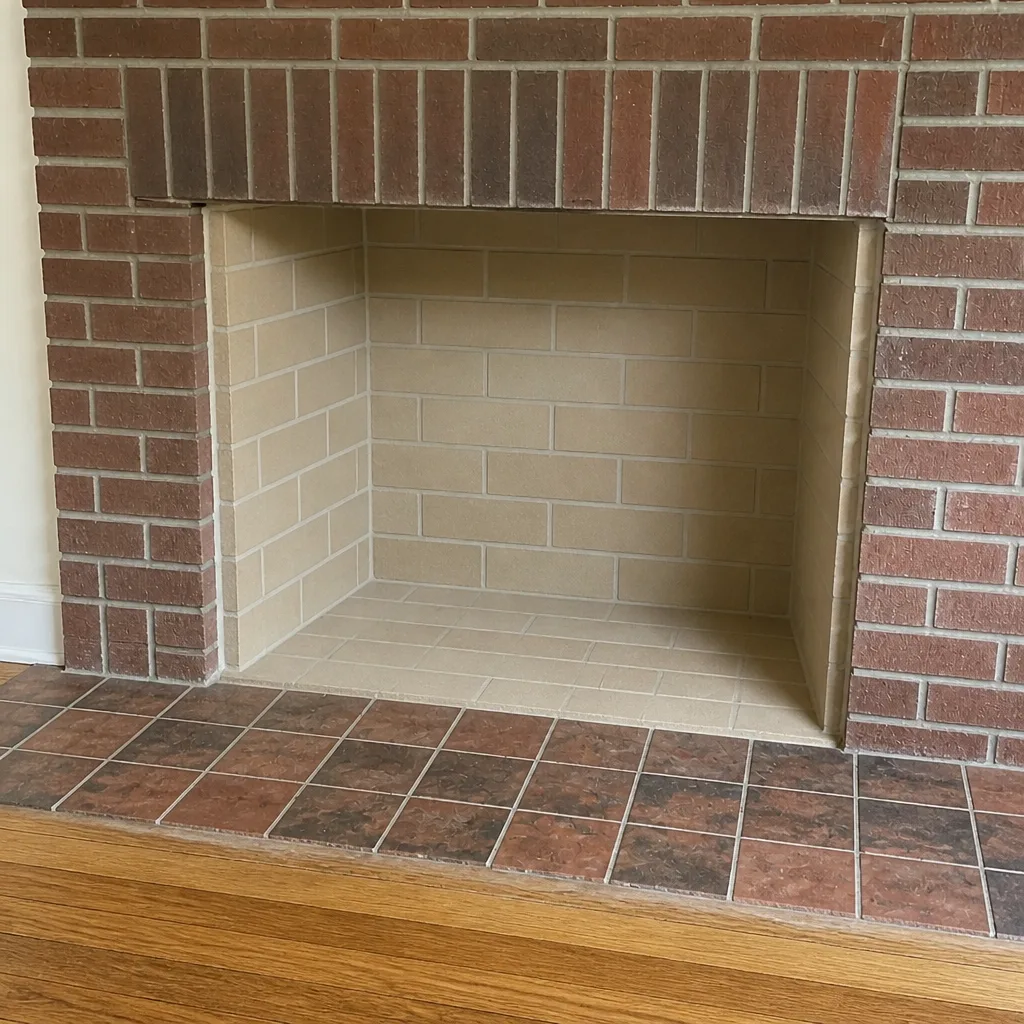
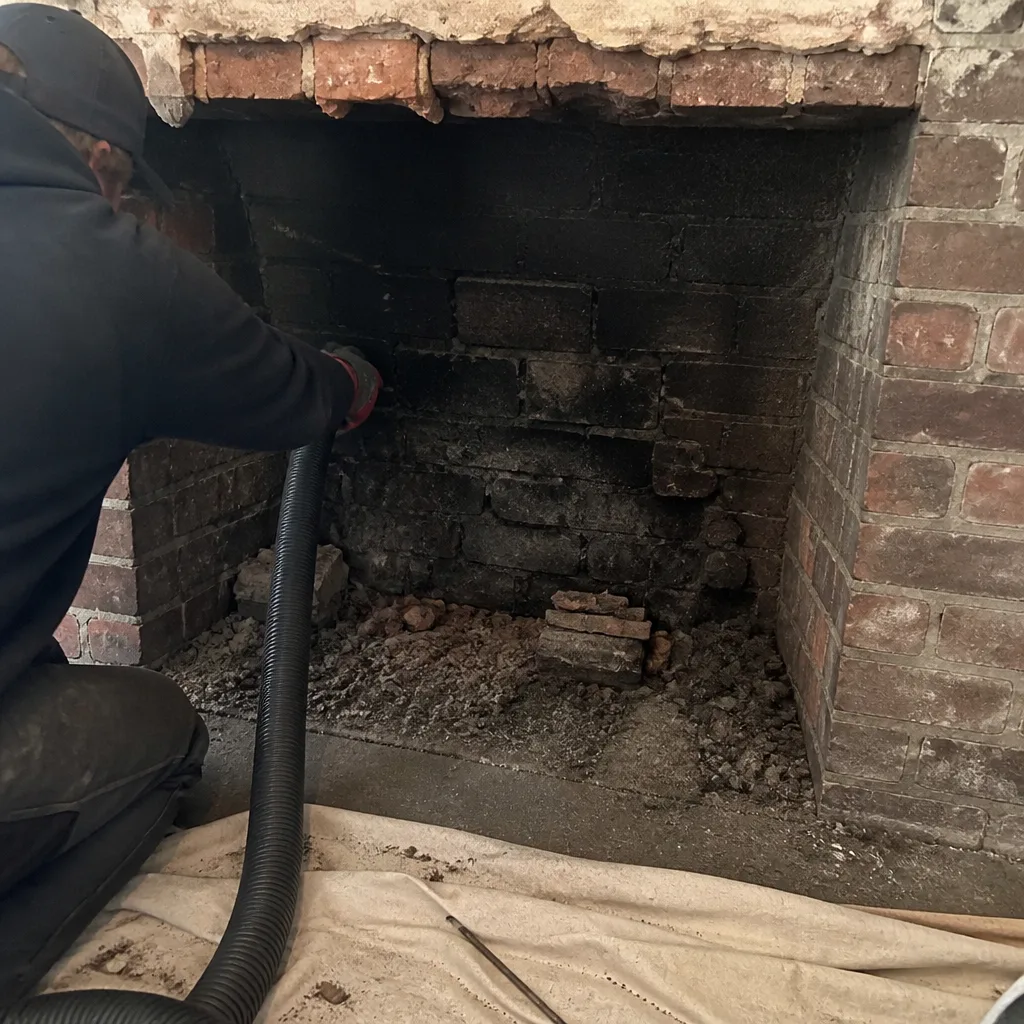
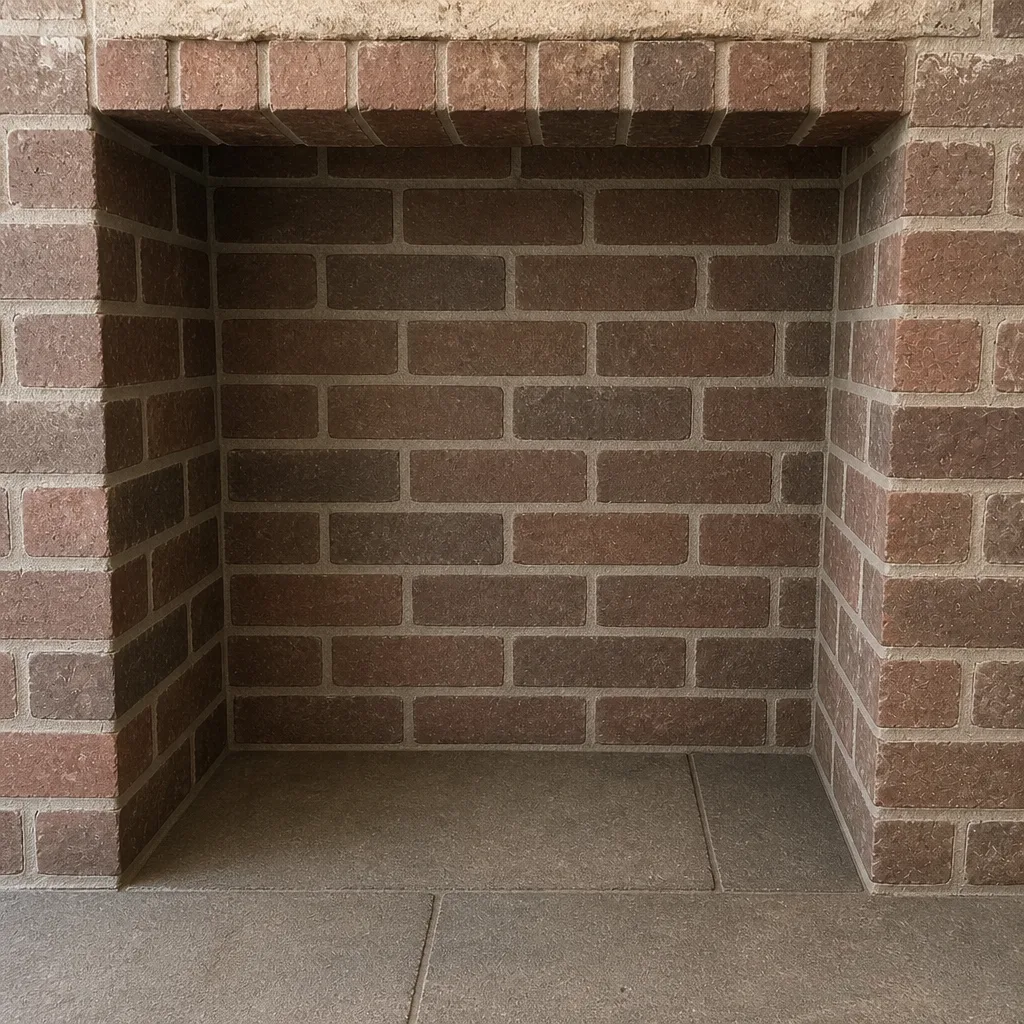
See the difference
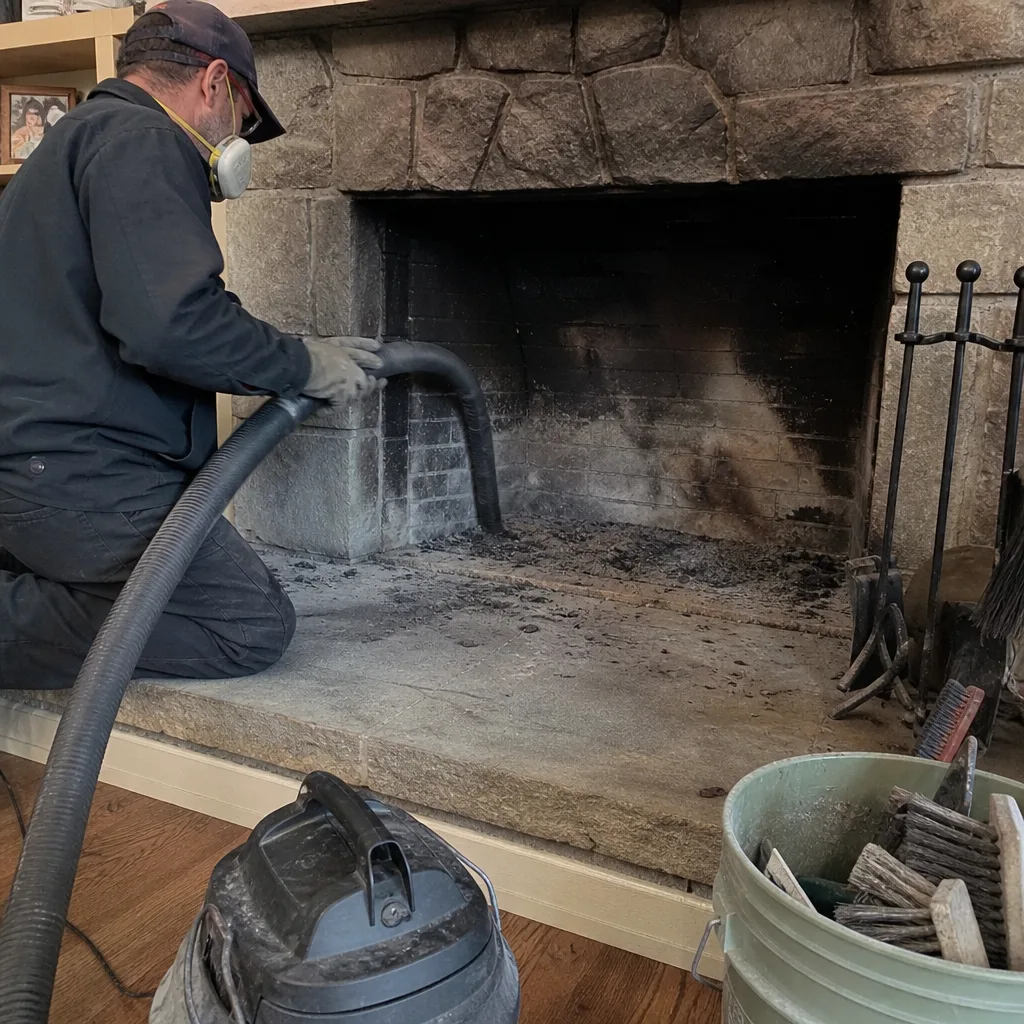 Before
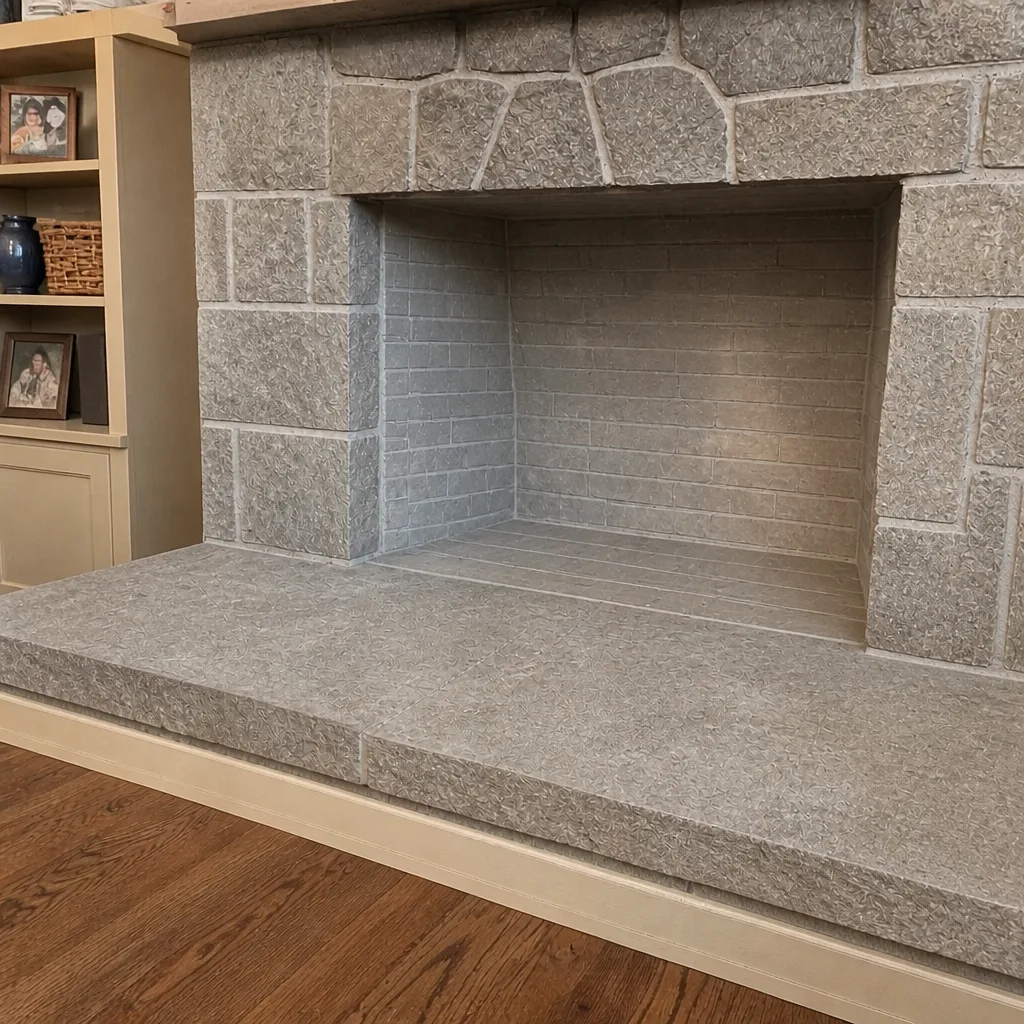 After
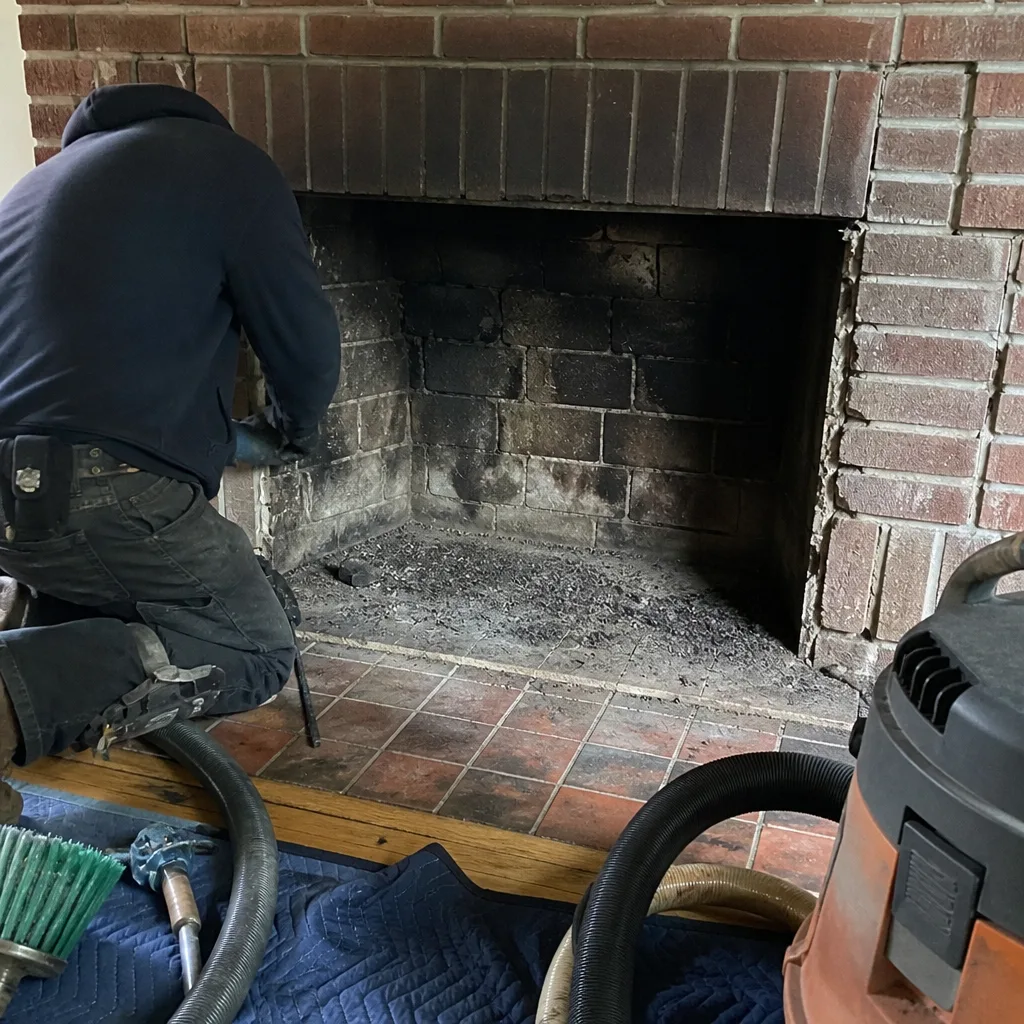 Before
 After
 Before
 After
Common Mistakes to Avoid
- Waiting for fall to schedule everything. Fall is the busiest season for chimney work, and an October inspection leaves you no time to fix anything found. Book the inspection in spring and the sweep in early fall.
- Assuming a capped flue is a protected flue. A cap with a torn screen or a cracked crown still lets water in. Each part needs its own check.
- Burning the first fire of the season hot and fast. A cold flue from a long dormancy resists draft and shocks the liner. Warm it up slowly instead, with a small fire first.
- Skipping the smoke chamber because it’s “hard to see.” It’s the part most likely to hide moisture damage, and it’s exactly what a camera inspection is for. A qualified sweep can see it clearly.
- Treating a chimney cleaning as a once-every-few-years task. In a short, intense burning season, deposits build up fast. Annual cleaning or a camera-verified assessment is the baseline.
- Assuming a general handyman can handle chimney work. Chimney repair involves liner materials, parging, and cap and crown installation, and those need the right specialist products. Olympia Chimney, Famco, and Copperfield components are the standard industry-grade materials for cap and venting work.
- Lighting a fire after an unresolved inspection red flag. If a professional flagged a liner or smoke chamber issue, don’t burn again until it’s addressed. That’s a safety decision, not a scheduling one.
When to Call a Professional
Call a professional if the last documented inspection was more than a year ago, if the previous homeowner never had one, if the crown or cap shows visible cracking, or if the flashing has pulled away from the roof line. Call immediately if you smell creosote or smoke in the room while burning, if you notice a draft change you didn’t cause, or if you’ve had a chimney fire. Any of these is a signal that the system needs eyes on it, and a professional camera inspection is the only reliable way to know whether an issue is small or significant. Most problems we find would have been easier and cheaper to fix if they’d been caught a season earlier. Chimney Sweep Ballard offers free estimates in Ballard. Call (844) 405-4527. We answer 24/7. Fast dispatch from 7am to 7pm, Sunday through Friday.
Frequently Asked Questions
Once a year for most homeowners in Ballard, ideally in early fall before the first fire. If you burn heavily or use wet wood, a mid-season check may be warranted. A professional inspection can confirm whether the flue is still clean enough to use safely. Call (844) 405-4527 for a free estimate.
Yes, for practical reasons. A spring inspection tells you what the just-finished burning season did to the chimney and gives you the entire dry season to fix anything found. A fall inspection happens under a deadline. The exception is a new home purchase or a chimney with no recent inspection history, in which case a fall inspection is still worth doing before the first fire. Call (844) 405-4527 if you’re not sure which window fits.
Moisture enters the mortar joints between tiles and the porous clay itself, freezes, expands, and widens the joint or crack over repeated cycles. This is why the mortar joints at the top of the flue tend to fail first. If a joint opens wide enough, heat and gases can reach the masonry behind the liner. A camera inspection reveals the stage the liner is in. Call (844) 405-4527 to schedule one.
It depends on what the camera shows. A cracked crown or a dirty flue can be repaired or cleaned. A compromised clay liner usually calls for relining, because there’s no reliable way to restore the integrity of the tile. A specialist company can confirm the diagnosis and, if a reline is needed, install a DuraFlex flexible liner without demolition. Call (844) 405-4527 for a free assessment.
Replace or repair them before the next wet season. The crown is designed to shed water away from the flue, and a cracked crown lets water straight into the masonry structure. A cap with a torn screen lets animals and debris in. These are small jobs when caught promptly. Our chimney cap & crown work covers both, and we use industry-standard components from Gelco and Famco. Call (844) 405-4527 to schedule.
You mostly can’t, from the outside. The signs are visible in the chamber itself: dark streaking on the parging, erosion at the mortar lines, debris on the smoke shelf, rust on the damper. These are all inspection findings, not things a homeowner can reliably read from the firebox. That’s exactly why a camera inspection in late summer is the right pre-season check. Call (844) 405-4527 to book it.
The Bottom Line
Chimney care in Ballard doesn’t follow a four-season model. It follows a long wet dormancy and a short burning window, which means the work that protects your chimney for years happens in the gap between the last fire in spring and the first fire in fall. A post-season inspection catches liner, mortar, and smoke chamber issues while there’s still time to fix them. Summer checks the cap, crown, and flashing while the weather is dry. Fall is a clean sweep and a slow warm-up on the first fire. If you’d rather not track the calendar yourself, that’s what we’re here for. Chimney Sweep Ballard handles the full chimney lifecycle: inspection, sweep, cap and crown, fireplace repair, and structural chimney repair. One company for the whole chimney, from the crown to the firebox. Call (844) 405-4527 for a free estimate. We answer 24/7. Fast dispatch from 7am to 7pm, Sunday through Friday.
Written by the team at Chimney Sweep Ballard.