
Last updated November 25, 2026
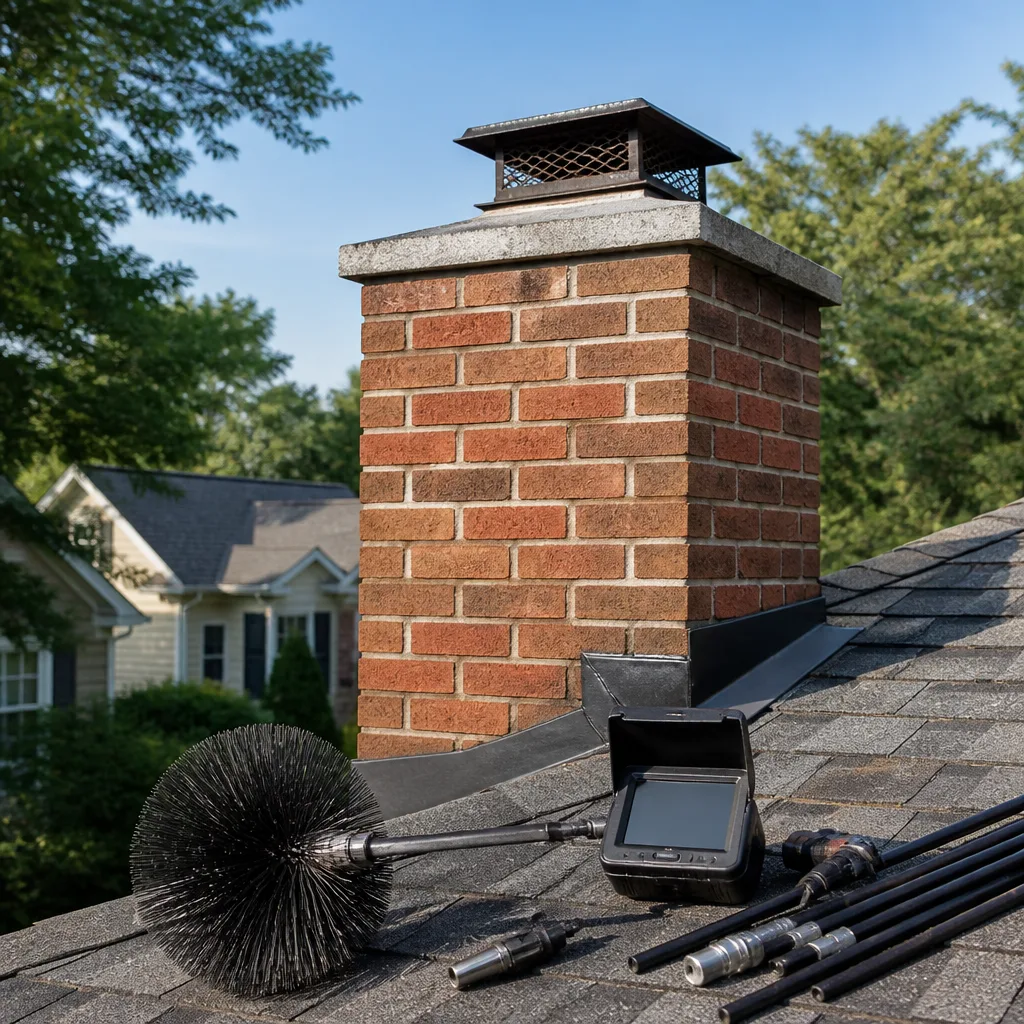 Sweep & inspection
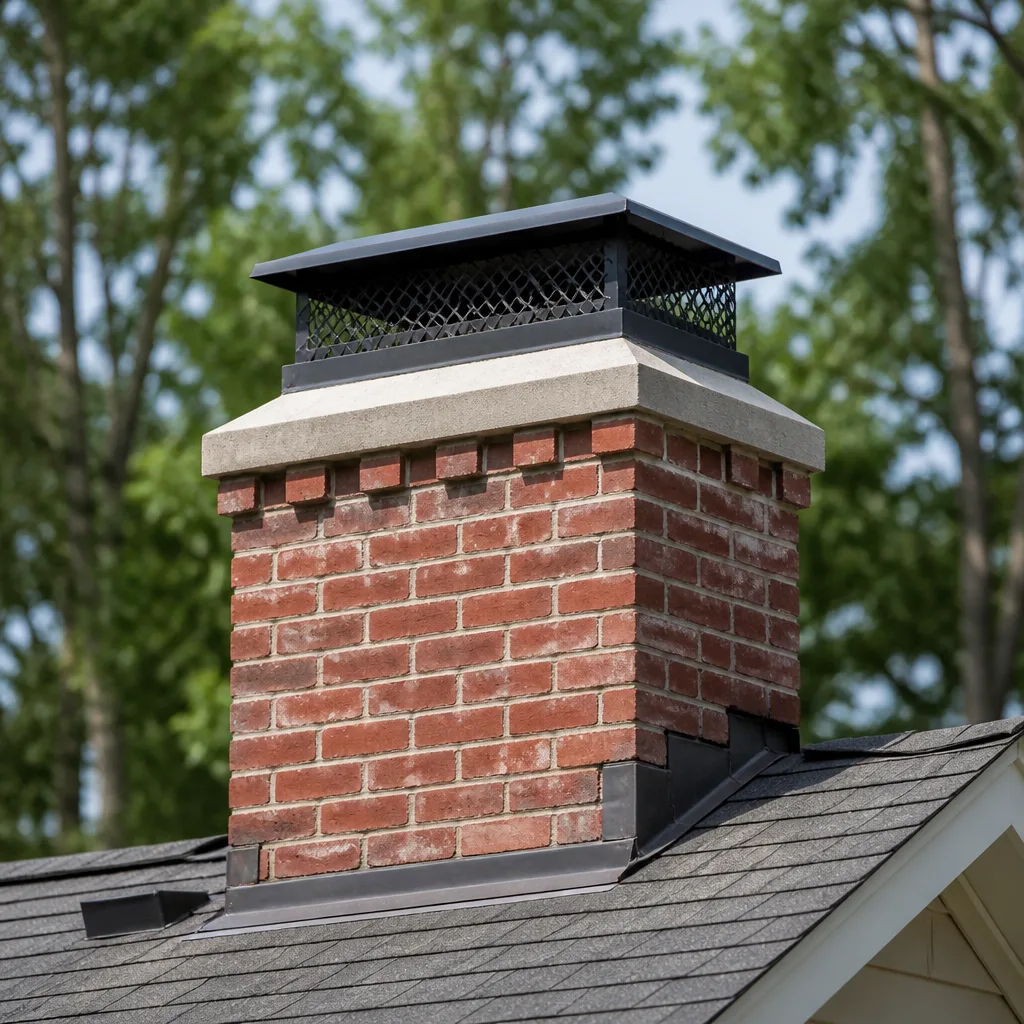 Caps & crowns
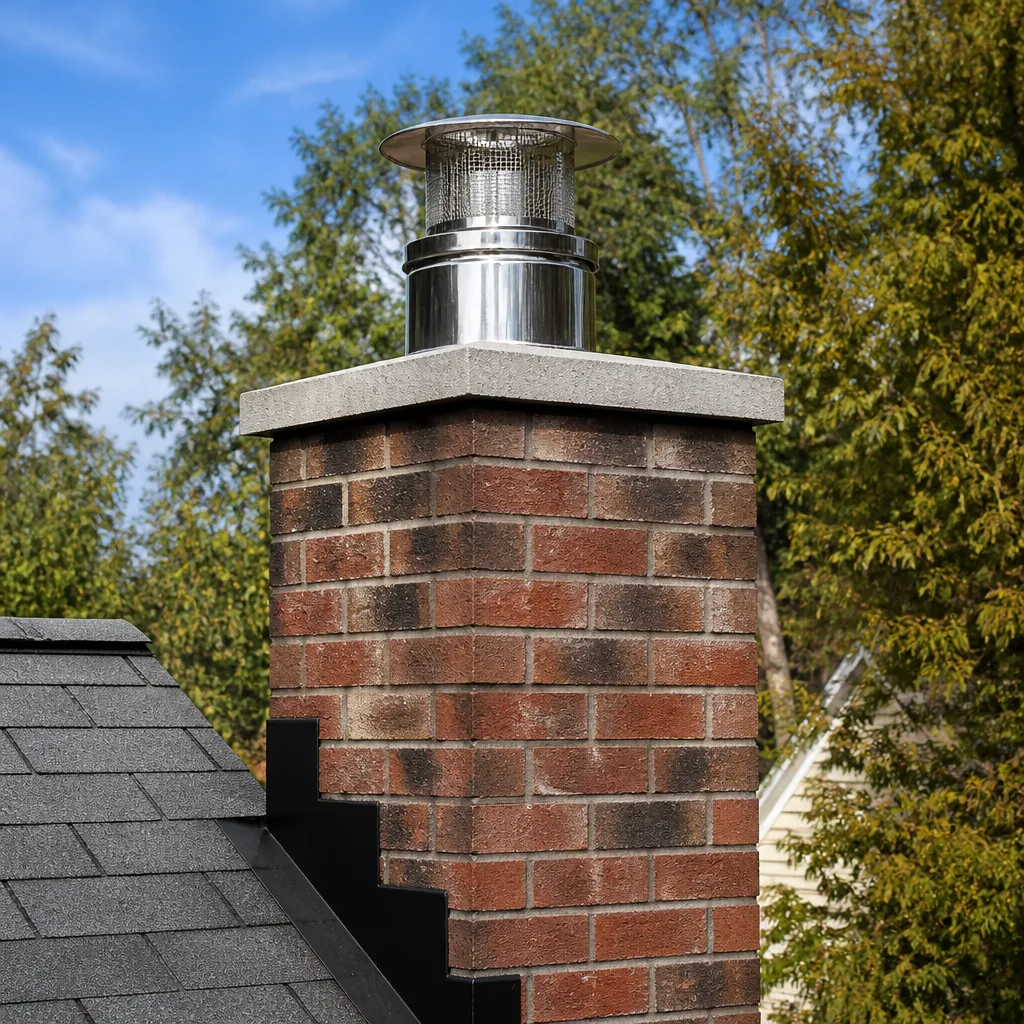 Flue relining
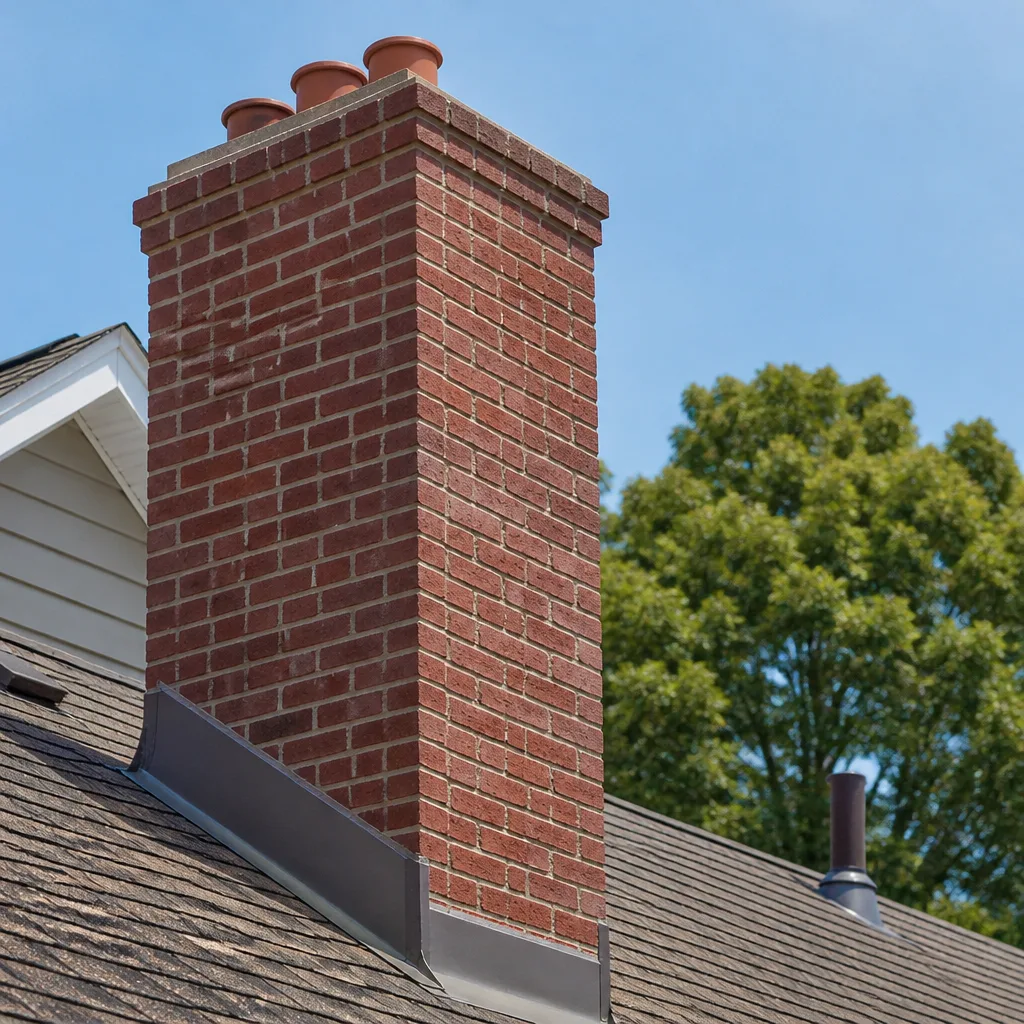 Masonry repair
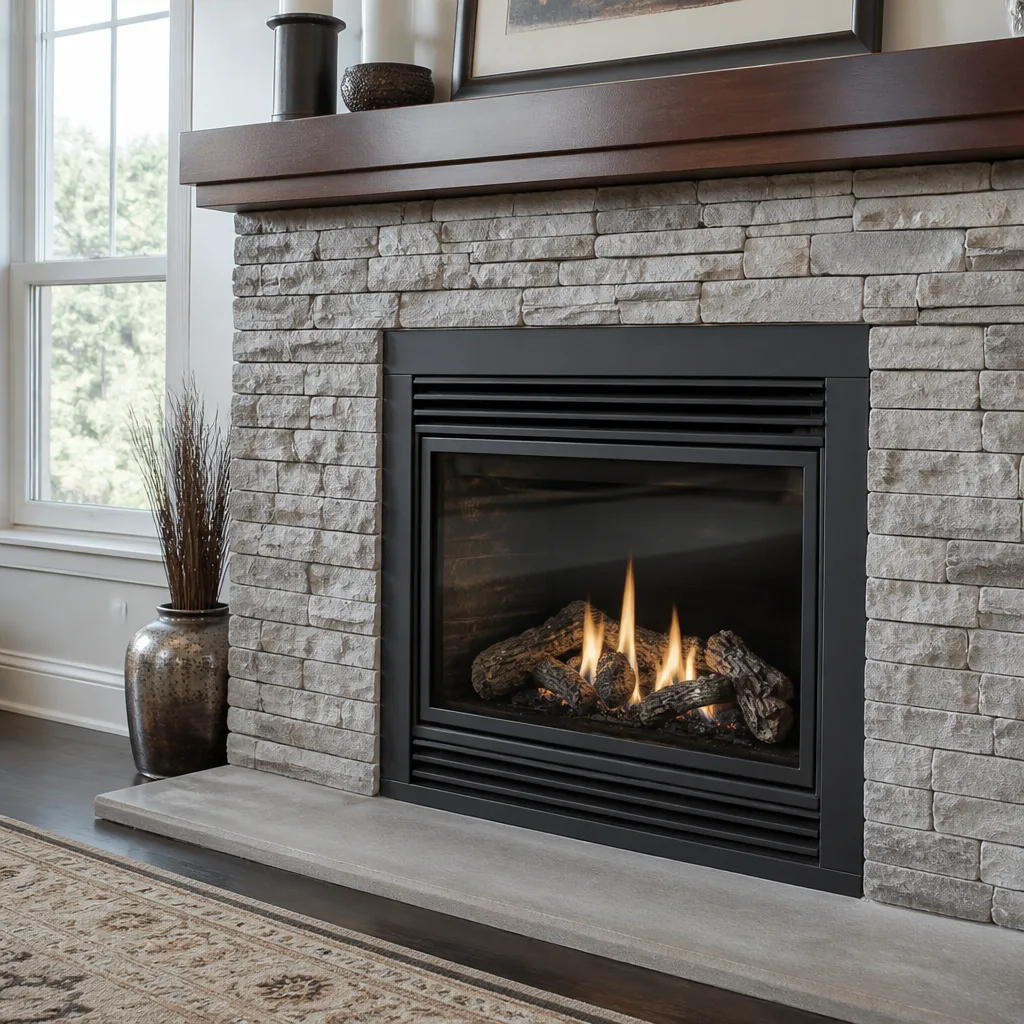 Gas fireplace service
Level 1 sweep and inspection to the NFPA 211 annual standard - flue, crown, cap, and flashing checked and photographed
Chimney sweep logs do not sweep chimneys. They loosen some creosote - which then falls where a brush and vacuum still have to collect it.
The Complete Guide to Chimney Cleaning in Ballard
Most homeowners treat a chimney sweep like an oil change: an annual chore, booked and forgotten. In Ballard, that’s the wrong model. A chimney here is a masonry system that lives inside one of the wettest climates in the country, and cleaning it without reading the structure around it is like changing the oil without checking the engine. Ballard averages over 37 inches of rain a year, more than New York City, and that moisture changes how creosote forms, how mortar ages, and how long a flue liner holds. This guide explains what a real cleaning involves, what it should document, and how to know when the sweep is the start of the story rather than the end of it.
Quick Answer
Chimney cleaning in Ballard means removing creosote and soot from the flue, firebox, and smoke chamber, then inspecting the whole system for moisture damage, liner integrity, and draft problems. In our wet climate, a sweep without an inspection is only half the job, because water is doing as much damage as fire. A professional visit should end with photos and a written report, not just a swept flue.
Styles & brands we work with
- Sweep & inspection
- Caps & crowns
- Flue relining
- Masonry repair
- Gas fireplace service
Table of Contents
- Why Ballard’s Climate Changes What a Chimney Sweep Means
- How Creosote Forms Faster in Wet Winters
- Level 1 vs Level 2 Inspections: What They Mean in Practice
- The Flue Liner Is a Draft System, Not Just a Heat Shield
- How Often Should You Clean a Chimney in Ballard?
- What Actually Happens During a Professional Visit
- The Cap and Crown: Where Water Damage Starts
- Wood Type and Burn Habits: The Real Cleaning Clock
Why Ballard’s Climate Changes What a Chimney Sweep Means
A chimney in Phoenix and a chimney in Ballard are the same drawing on paper and completely different systems in the field. The difference is water. Our rainy season runs for months, the air stays damp long after the rain stops, and masonry is porous. Brick and mortar absorb moisture, hold it, and go through repeated freeze cycles in the colder stretches. That’s the part many homeowners never hear about, because most chimney advice online is written for dry climates.
What does this mean for cleaning? It means a sweep needs to check more than the flue. Water intrusion shows up in places fire never touches: a cracked crown, a missing cap, a failed mortar joint on the chimney’s exterior, or rusted damper hardware in a firebox that’s been damp for two seasons. When we clean a chimney in Ballard, the sweep is the entry point. The structural read is what tells you whether the system is actually safe or just looks safe from the living room.
There’s a second Ballard-specific factor: the housing stock. Many homes here were built in the early and mid-twentieth century, and the chimneys in those homes were designed for wood fires at a time when building science understood less about draft and liner integrity. Some have been retrofitted. Some haven’t. You can’t tell which you’re dealing with until someone looks up the flue with a light and a camera.
- Moisture exposure: long wet seasons keep masonry damp and accelerate mortar decay.
- Freeze-thaw cycles: water in brick expands when it freezes and widens small cracks over years.
- Older housing stock: many Ballard chimneys predate modern liner standards.
- Draft sensitivity: a wet flue draws less efficiently, which affects burn quality all winter.
This is why we inspect before we recommend anything. The climate already does the persuading; our job is to show you what it has actually done to your chimney, with camera evidence you can look at yourself.
How Creosote Forms Faster in Wet Winters
Creosote is the residue of incomplete combustion. Smoke leaves the firebox carrying unburned wood gases, those gases cool as they rise up the flue, and they condense on the cooler flue walls as a sticky, flammable film. In a dry climate, that film dries and often stays at stage one: light, flaky, easy to brush. In Ballard, it doesn’t always get the chance to dry.
Humid air and damp wood change the chemistry. Cool flue surfaces combined with higher moisture content in the exhaust stream keep condensation happening longer and depositing more material per fire. The result is faster progression from stage-one soot to stage-two glazed creosote: a hard, shiny, tar-like layer that brushing alone won’t remove. Stage two is where chimney fires come from, because it’s dense, it sticks to the liner, and it ignites at lower temperatures than most homeowners expect.
We’ve seen plenty of Ballard fireboxes with the same pattern: a homeowner burns a couple of cords a winter, sweeps once every few years, and assumes the flue is fine because the fire draws. Then a camera goes up and finds a glazed band halfway to the cap. That’s the point where stage-two removal, chemical treatment, or in some cases relining becomes the conversation, and it’s a very different conversation from a routine sweep.
What drives the layering:
- Unseasoned wood: firewood above about 20 percent moisture burns cool and smokes more, feeding creosote faster.
- Smoldering fires: damped-down overnight burns produce more unburned gas than a hot, active fire.
- Cool flue walls: a cold exterior chimney in wet weather cools exhaust before it clears the cap.
- Oversized flue for the appliance: too much flue volume cools the smoke and slows the draft.
The takeaway: cleaning frequency in Ballard isn’t a calendar question. It’s a fuel-and-habit question, and we treat it that way.
Level 1 vs Level 2 Inspections: What They Mean in Practice
Inspection levels are a trade standard, not a marketing upsell. They describe how much of the chimney is examined and with what tools, and the right level depends on what’s happening in the home, not on how much the sweep wants to sell.
Level 1 Inspection
A Level 1 is the read you get with a routine sweep when the chimney is in known service and nothing has changed. The technician examines the accessible portions of the firebox, flue, and connections from the fireplace side, usually with a light and camera, and looks for obvious soot buildup, blockages, and visible damage. It’s the right call when you burn regularly, the chimney has been serviced, and no one has changed anything about the system.
Level 2 Inspection
A Level 2 goes further. It covers the accessible portions of the chimney’s exterior, the attic or crawl space where the chimney passes through, and the whole flue with a video camera. It’s the standard inspection whenever something in the system has changed, and there are specific triggers that matter for Ballard homeowners:
- Buying an older home. A pre-purchase Level 2 is the only way to know what an old Ballard chimney actually needs before you close.
- After a chimney fire. Even a small one can crack a liner. No exceptions on this one.
- After an earthquake or major storm. Our region sees seismic activity, and masonry cracks can open up invisibly.
- When switching fuels or appliances. A new insert, a change to gas, or a new flue connection all warrant a Level 2.
- When the chimney has been out of service. Years of sitting idle in a wet climate means water damage has likely been working quietly.
- Before a big repair decision. If someone tells you the liner needs to come out, that recommendation needs to be verifiable. A Level 2 with photos is how you verify it.
If someone hands you a five-figure repair quote and no camera footage, ask for the footage. A legitimate specialist will show it to you without hesitation. This is exactly why HeatShield restoration exists as an option in some cases: firebox and flue repair without tearing the chimney apart can get a homeowner to a structurally sound system without the full rebuild cost, and a proper inspection is what tells you whether your chimney qualifies.
The Flue Liner Is a Draft System, Not Just a Heat Shield
Most homeowners think of the flue liner as insulation: something that keeps heat away from the framing. It does that, but its bigger job is pressure. A well-sized, smooth fireclay or stainless liner generates and maintains the draft that pulls smoke up and out. When the liner is cracked, rough, undersized, or missing joints, the draft falls apart and the firebox starts behaving badly: smoke spillage, sluggish fires, a cold smell in the house when the fireplace is off.
The liner is also the part of the system exposed to the most abuse. Creosote acids, water, and heat cycles all work on it together. In a wet climate, a hairline crack in fireclay is a pathway for water into the surrounding masonry, and once water gets into the chimney’s structure, decay speeds up. A damaged liner doesn’t stay a liner problem; it becomes a masonry problem.
That’s why relining is such a core service, and why we use professional-grade systems for it. DuraFlex flexible liner systems are specified by certified chimney professionals exactly because they handle the geometry of real flues: offset, flex, and closure against the appliance. Olympia Chimney components round out the venting and connection work. These are trade materials, not big-box substitutes, and they behave differently over 20 years, which is the timescale that matters here.
How you know a liner conversation is legitimate:
- The recommendation comes with camera footage showing the damage.
- The size and material are matched to your appliance, not picked off a shelf.
- You’re told plainly when a reline can safely wait and when it can’t.
- The fix aligns with local code requirements, which we check with the local building department on every job.
A clean chimney is a safe chimney, but a clean chimney with a failing liner is not. Those two things have to be read together, always.
How Often Should You Clean a Chimney in Ballard?
For most Ballard homes burning wood regularly, once a year is the sensible baseline, but it’s a starting point, not a rule. The real driver is how much creosote is accumulating, and in our climate, that depends on what you burn and how.
A homeowner using a weekly fire through the wet season with seasoned hardwood and a hot, active burn will build up less than a homeowner using damp wood in a damped-down overnight fire, even if they burn less often. So treat the annual sweep as a check-in and let the inspection tell you whether you’re ahead of the curve or behind it.
What shifts frequency upward:
- Burning unseasoned or “green” wood, or scavenged wood of unknown dryness.
- Relying on overnight burns as your main heating method.
- A cold, exterior-mounted chimney that cools exhaust quickly.
- An oversized flue relative to the firebox.
- A chimney with a history of creosote, even after cleaning.
What shifts it down:
- Seasoned hardwood, split and dried for a year or more.
- Hot, efficient fires rather than smoldering ones.
- A well-sized, intact liner that keeps draft strong.
- A gas appliance, which doesn’t feed creosote in the same way but needs its own inspection for venting and vent safety.
In practical terms, we recommend a sweep and a Level 1 inspection annually for active wood burners in Ballard, and we recommend a Level 2 whenever anything about the house or the system has changed. If you’re a new homeowner buying an older home, that Level 2 belongs on the inspection contingency, not six months later.
What Actually Happens During a Professional Visit
Understanding the sequence makes the visit easier to trust. Here’s how a standard cleaning and inspection runs, top to cap, when we work a Ballard chimney:
- Intake. We ask about wood type, burn habits, appliance, previous cleaning history, and whether the chimney has been out of service. This is how the inspection gets scoped.
- Floor protection. Drop cloths go down. A proper sweep shouldn’t leave soot on your rug, ever.
- Firebox inspection. We check the firebox, damper, smoke shelf, and smoke chamber before cleaning, so we see the condition before we disturb anything.
- Flue cleaning. Rods and brushes run from the firebox or the roof, depending on the chimney’s configuration. A HEPA vacuum runs continuously beside the work.
- Camera inspection. A flue camera is run the full length of the liner, with photos captured. If there’s a crack, a gap, a glazed creosote band, or a joint issue, this is where it shows up.
- Exterior read. Cap, crown, flashing, mortar joints, and the chimney’s visible masonry from the roof or the ground.
- Documentation. You get a written report with photos, the recommended next steps, and a clear statement of what can safely wait.
The documentation step is the one to insist on. If you can’t see the inside of your own chimney, you can’t judge whether a repair recommendation is honest. Photos solve that. Anyone giving you a big number without camera evidence is asking you to take a lot on faith.
The Cap and Crown: Where Water Damage Starts
If you had to pick the two components most responsible for long-term chimney damage in Ballard, it’s the cap and the crown. The cap keeps rain, birds, and debris out of the flue. The crown is the concrete slab at the top of the chimney that sheds water away from the masonry below it. When either one fails, water gets in, and water is what starts the decay clock.
A cracked crown is common after multiple freeze cycles, and a missing or damaged cap lets water straight down the flue, where it rusts dampers, saturates insulation, and feeds creosote problems. From inside the house, a failing cap looks like nothing. From the roof, it’s usually obvious.
This is a named service for a reason. Cap and crown work is one of our five core services alongside cleaning, inspection, fireplace repair, and structural chimney repair, because it’s the cheapest insurance a homeowner has against a much bigger masonry bill later. We install components from Gelco and Famco in both cap and crown and venting work, and from Olympia Chimney where the venting configuration calls for it. These are professional supply-house materials, not lumberyard approximations, because a cap that rusts through in five years hasn’t protected anything.
When you can safely wait on cap and crown work:
- Hairline surface weathering with no gap between crown and flue tile.
- A cap that’s intact but cosmetically weathered.
When you shouldn’t:
- A crown separated from the flue tile or visibly cracked through.
- A missing cap or one that’s loose in its mounting.
- Water staining inside the firebox or on the chimney breast in the attic.
Wood Type and Burn Habits: The Real Cleaning Clock
The single most useful thing a Ballard homeowner can do for chimney health is control the moisture content of the wood going into the firebox. Dry, seasoned hardwood burns hot, produces less smoke, and builds less creosote. Wet wood burns cool, smokes heavily, and leaves deposits. In a humid climate, that difference compounds, because wood dries slower outdoors and stays damp longer.
What we recommend:
- Split wood and let it season for at least a year before burning.
- Store wood under cover and off the ground, ideally with airflow through the stack.
- Use a moisture meter and aim for wood below about 20 percent moisture.
- Burn hot, active fires rather than long smoldering ones.
- Never burn treated lumber, painted wood, or construction scraps.
There’s also the draft habit to build: open the damper fully before lighting, use a small hot kindling fire to warm the flue, and keep the fire hot enough that smoke clears the cap without hesitation. These sound like small things, but over a wet-season winter, they change how much creosote you’ll clean next year. Cleaning frequency should follow your fuel and your burning, not just a date on the calendar. This is the piece most homeowners never get told, and it’s the piece that controls the cost of owning a fireplace in Ballard.
Common Mistakes to Avoid
- Treating the sweep as a standalone chore. Cleaning without inspection misses the moisture damage and liner issues our climate creates. The two have to happen together, or the sweep is only a partial job.
- Skipping the Level 2 on a home purchase. Buying an older Ballard house without a camera-based chimney inspection is the single most expensive shortcut available. You inherit whatever the chimney has been doing for the last twenty winters.
- Burning unseasoned wood as a shortcut. Green wood feels cheaper by the cord and costs more in creosote, cleaning frequency, and eventual liner repair. The flue doesn’t forgive.
- Accepting a five-figure repair quote with no photos. If a specialist can’t show you the crack, the gap, or the glazed liner on camera, you have no way to judge the recommendation. Ask for the footage every time.
- Ignoring the cap and crown. It’s the cheapest component on the chimney and the one most responsible for water damage. A cracked crown left alone for three rainy seasons becomes a masonry rebuild conversation.
- Assuming a gas fireplace doesn’t need inspection. Gas appliances don’t make creosote the way wood does, but the venting, the vent termination, and the firebox condition still need eyes on them. The hazards are different, not absent.
- Delaying after a chimney fire. Even a fire that sounded mild can crack a fireclay liner. A Level 2 inspection isn’t optional after a fire, and it shouldn’t wait until spring.
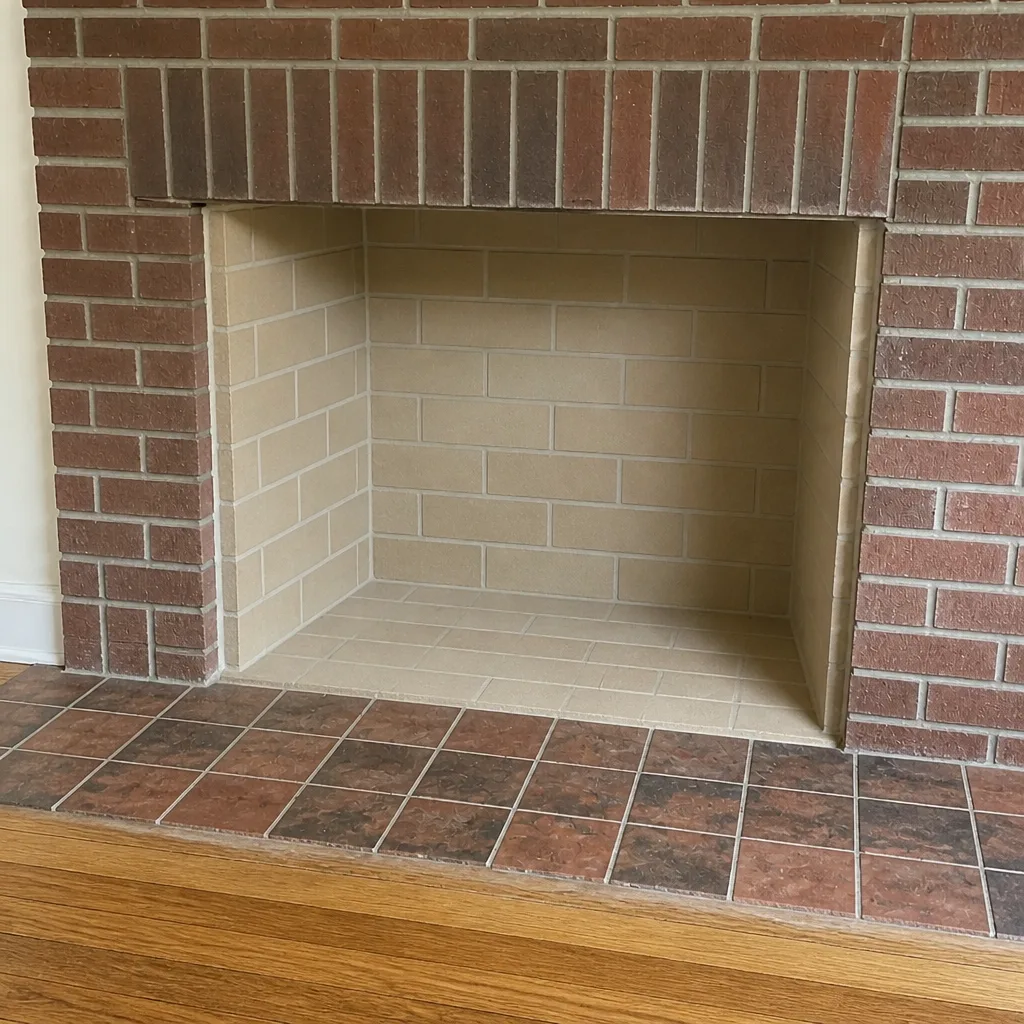
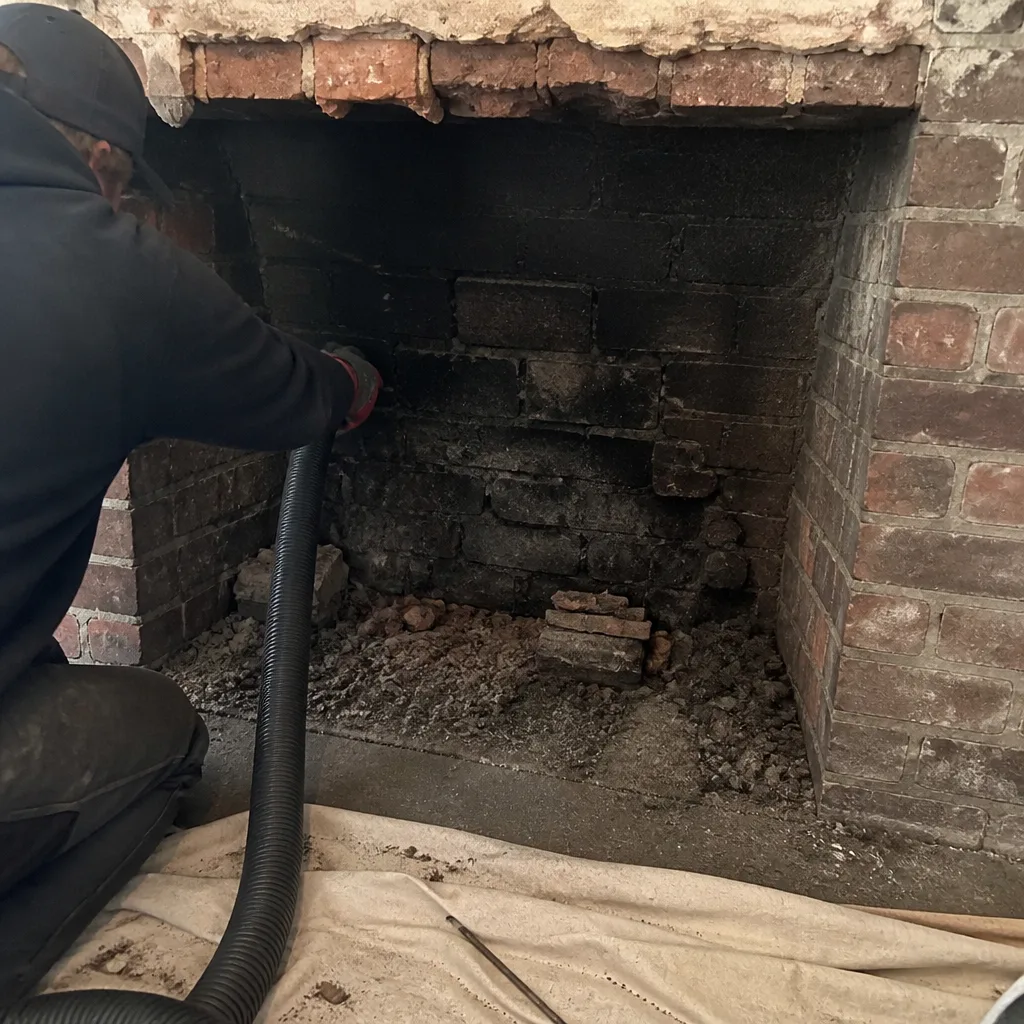
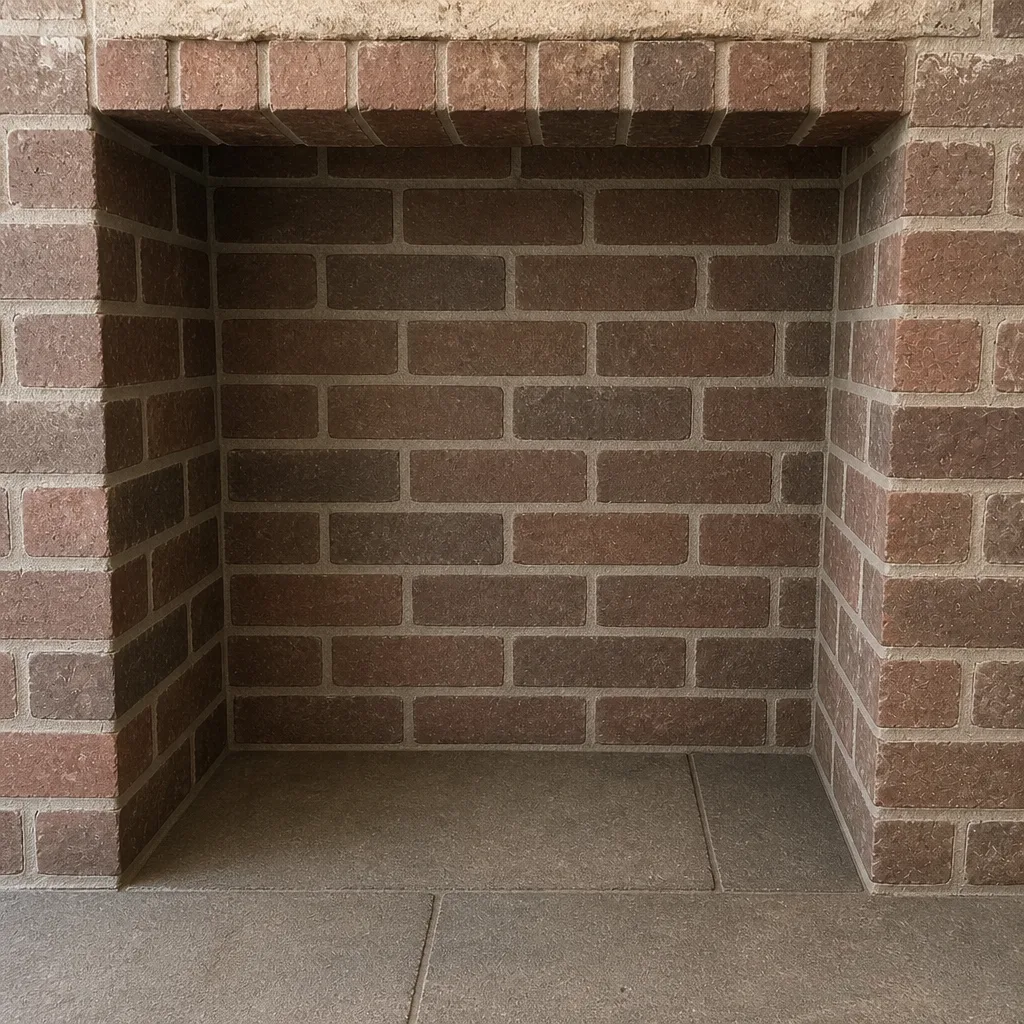
See the difference
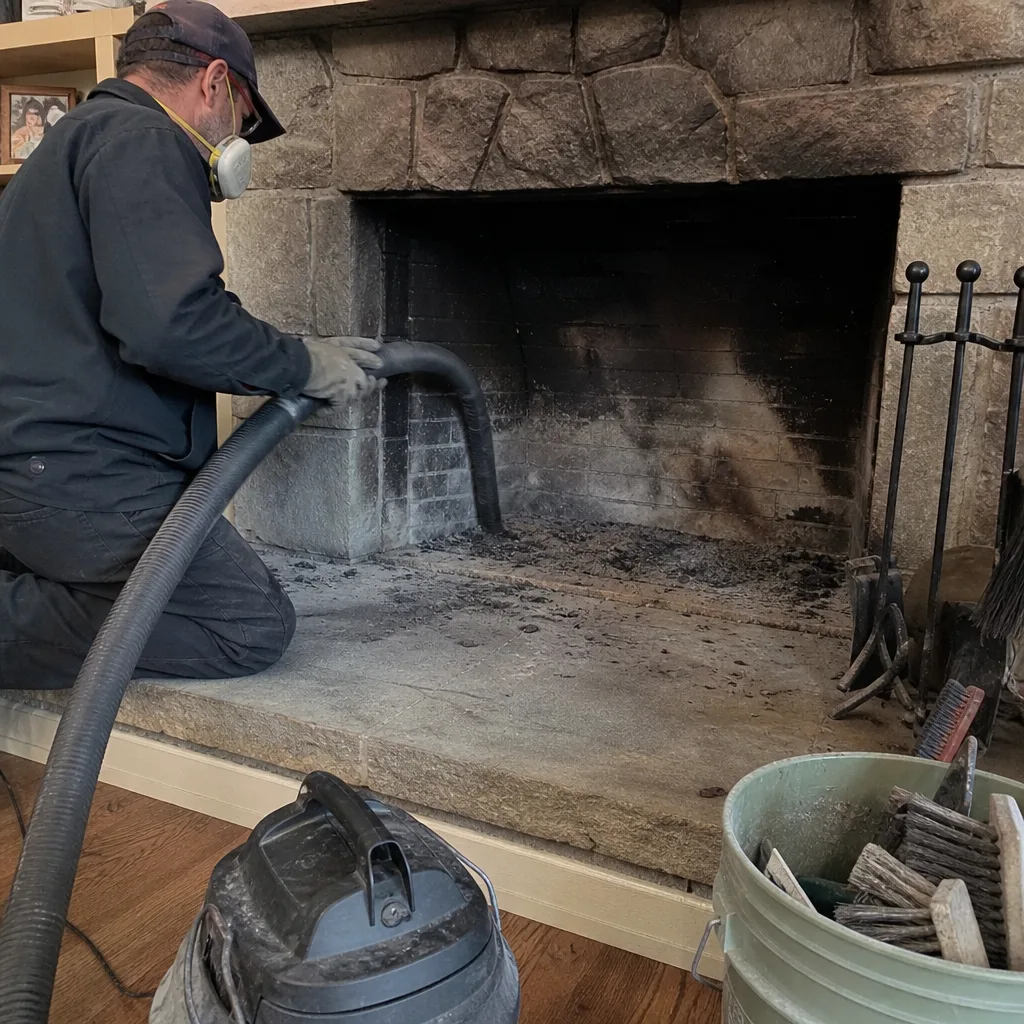 Before
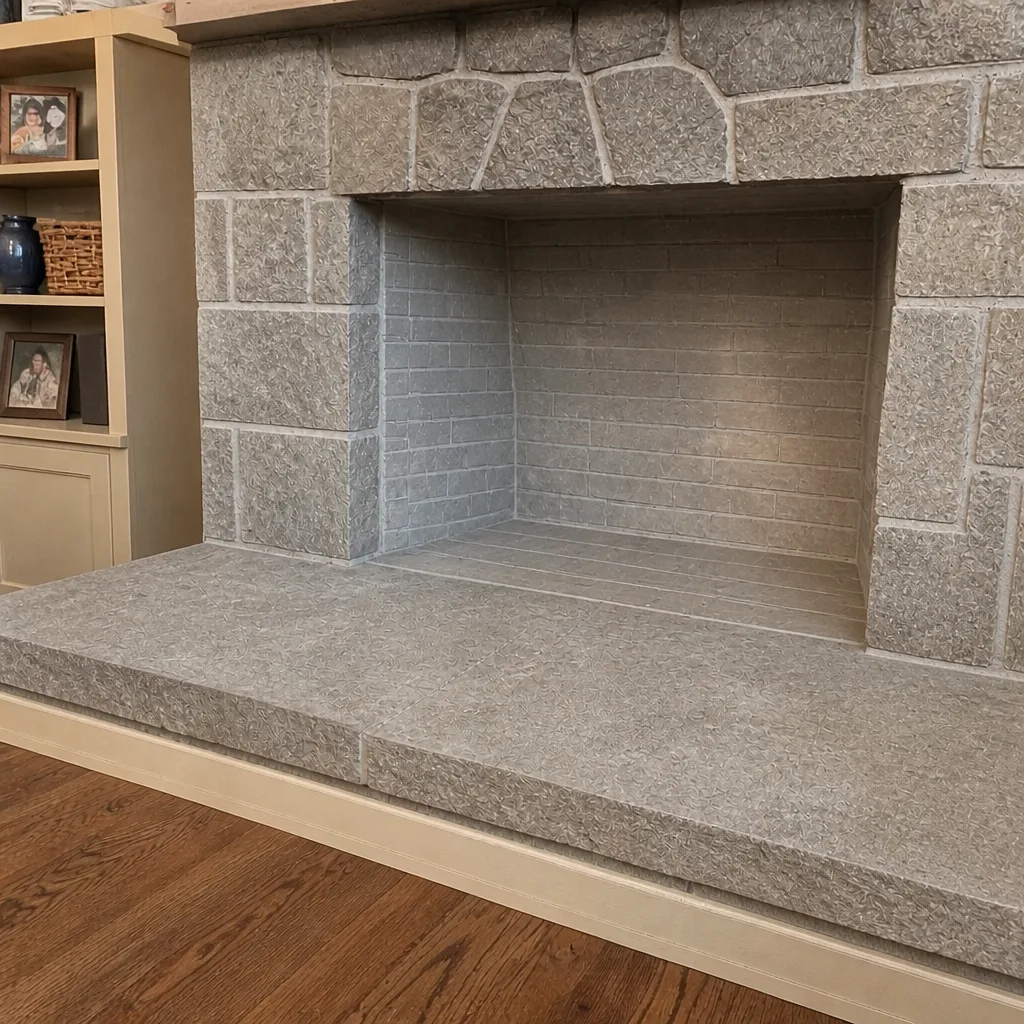 After
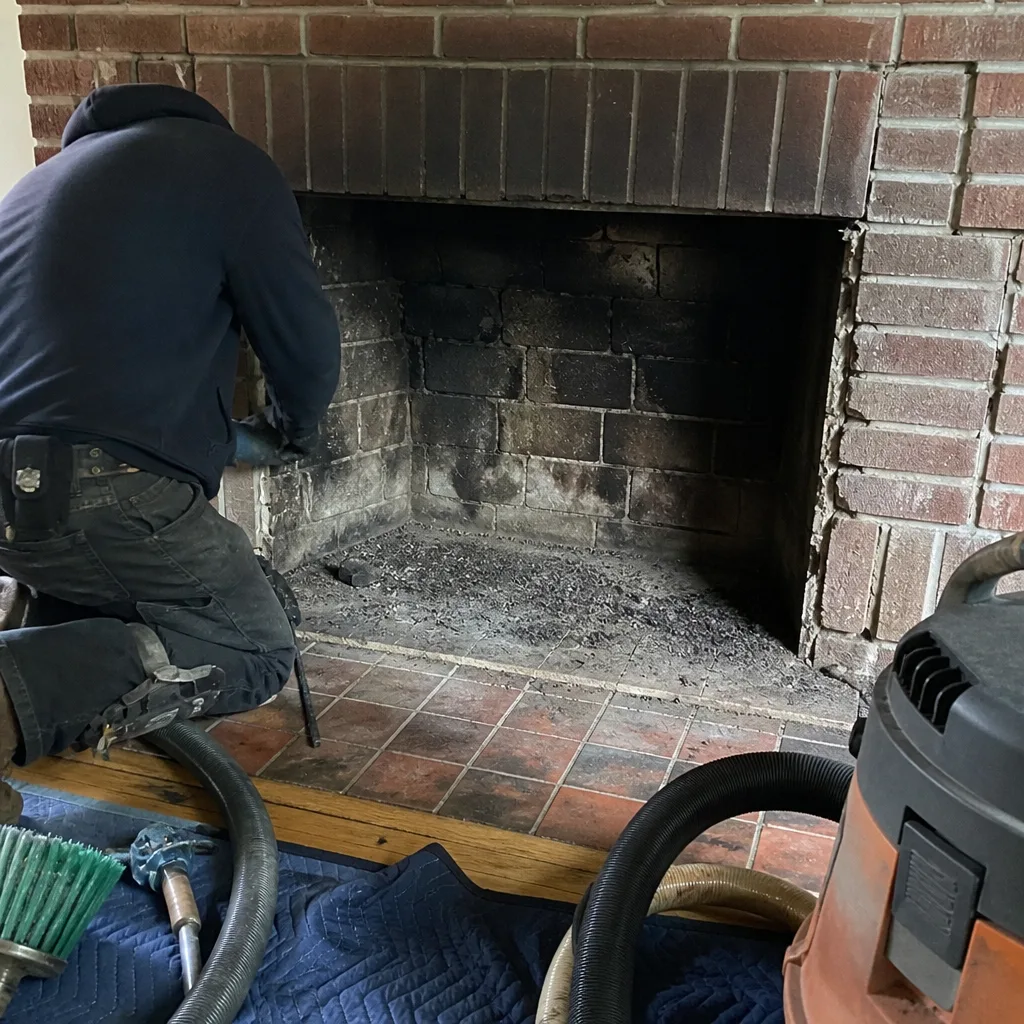 Before
 After
 Before
 After
When to Call a Professional
Call a professional if the fire is slow to draw or smokes into the room, if there’s a smell of smoke or a cold draft from the fireplace when it’s not in use, if there’s staining on the chimney breast or in the attic, or if the cap is loose or missing. Call after any chimney fire, even a small one. Call before buying an older Ballard home, and call before commissioning a big repair if someone has quoted one without showing you the camera footage. The dangerous components in this trade, high flue temperatures, glazed creosote, carbon monoxide, and cracked liners, are not things to work through from a YouTube video. A trained professional is the right call every time. Chimney Sweep Ballard offers free estimates in Ballard, call (844) 405-4527. We answer 24/7. Fast dispatch from 7am to 7pm, Sunday through Friday.
Frequently Asked Questions
Chimney sweep pricing in Ballard depends on the chimney’s configuration, the level of inspection, and how much creosote is in the flue. A routine sweep with a Level 1 inspection is a different visit from a Level 2 with camera inspection or a stage-two creosote removal. We scope the work first and give you a written estimate before anything starts, and the estimate is free. Call (844) 405-4527 for an exact quote.
Once a year is the sensible baseline for a home burning wood regularly, but the real driver is creosote accumulation, which depends on your wood and your burn habits. In our wet climate, damp wood and smoldering fires build deposits faster than dry wood and hot fires. Treat the annual sweep as a check-in and let the inspection tell you whether you can stretch it or should tighten up. Call (844) 405-4527 to book a sweep and inspection.
Only if the inspection shows the liner is cracked, deteriorated, or undersized for the appliance. Creosote acids, water, and heat cycles all attack the liner, and in a wet climate a hairline crack is a pathway for water into the masonry. We won’t recommend a reline without camera footage you can look at yourself, and we’ll tell you plainly when a reline can safely wait. Call (844) 405-4527 for an inspection before anything is decided.
Creosote keeps building on the flue walls, and in a damp climate it can progress from stage-one soot to hard, glazed stage-two creosote, which is what chimney fires ignite from. Water damage keeps working on the crown and mortar at the same time, so the eventual repair is often structural rather than just a cleaning. Skipping a sweep doesn’t usually produce a dramatic moment; it produces a slow, expensive one. Call (844) 405-4527 to get on the schedule.
Many homes in Ballard were built before modern liner standards, and a chimney that’s been through many wet winters can have damage that’s invisible from the firebox. A Level 2 inspection with video camera coverage is the only way to know the liner’s actual condition, and it belongs on the inspection contingency when you’re buying. Call (844) 405-4527 to book a Level 2.
A Level 1 is the read that comes with a routine sweep, covering the accessible firebox, flue, and connections. A Level 2 adds the chimney’s exterior, the attic or crawl space where it passes, and full video camera coverage of the flue. You need a Level 2 after a chimney fire, before buying an older home, after switching fuels, or when the chimney has been out of service for a while. Call (844) 405-4527 to talk through which one fits your situation.
The Bottom Line
Chimney cleaning in Ballard is a diagnostic entry point into the whole system, not a standalone chore. Our wet climate accelerates creosote layering, attacks mortar and crowns, and finds every weakness in the liner, so a sweep without an inspection misses half the story. Call for cleaning when the flue is due, call for a Level 2 whenever something has changed, and insist on camera evidence before any repair is approved.
We’re a chimney specialty company with five core services, professional-grade materials from DuraFlex, HeatShield, Gelco, Olympia Chimney, Famco, and Copperfield, and technicians with up to 9 years of experience. One company for the whole chimney, top to cap. If your Ballard home needs a sweep, an inspection, or a second opinion on a repair, call (844) 405-4527 for a free estimate. We answer 24/7. Fast dispatch from 7am to 7pm, Sunday through Friday.
If you’d like to start with the basics, our chimney sweep service covers the cleaning and inspection side, fireplace repair handles the firebox and damper work, and chimney cap & crown covers the two components most likely to let water in. You can also start at our home page: Chimney Sweep Ballard.
Written by the team at Chimney Sweep Ballard.