
Last updated November 25, 2026
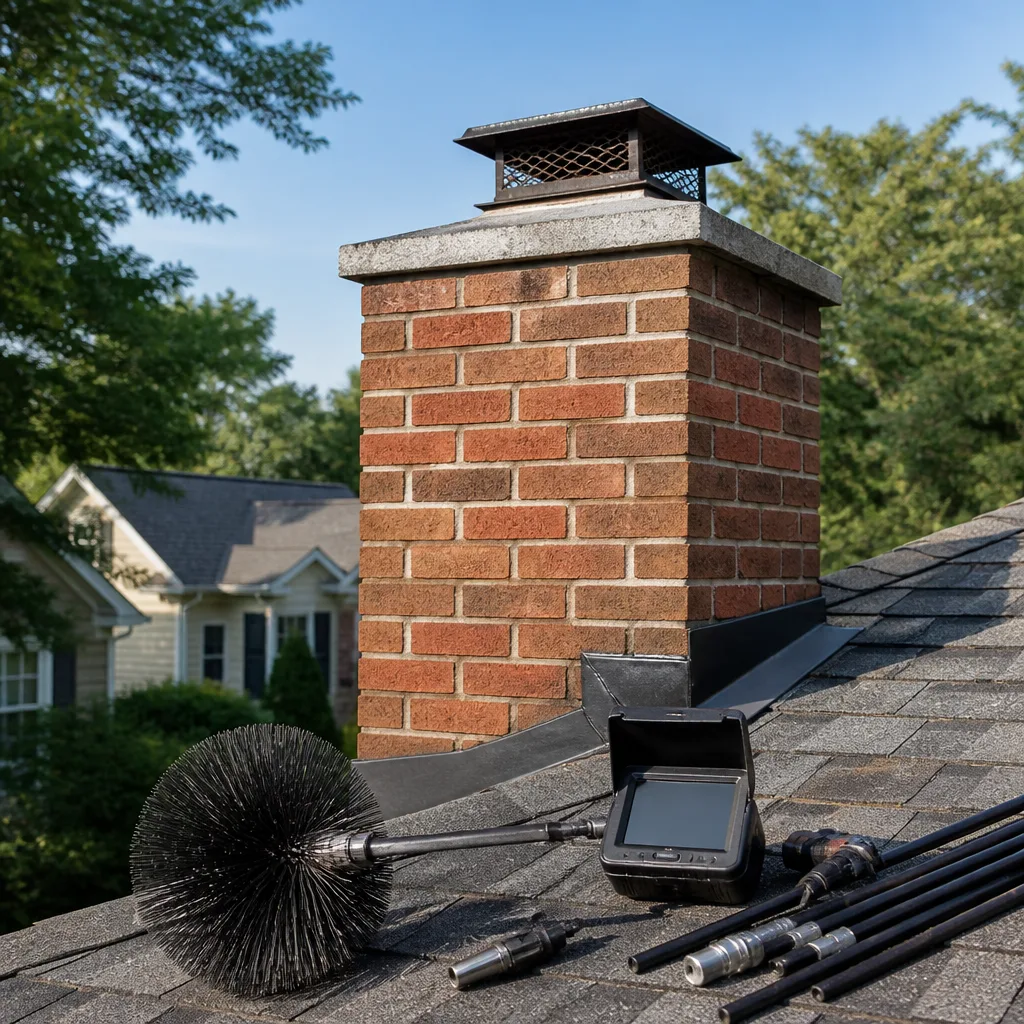 Sweep & inspection
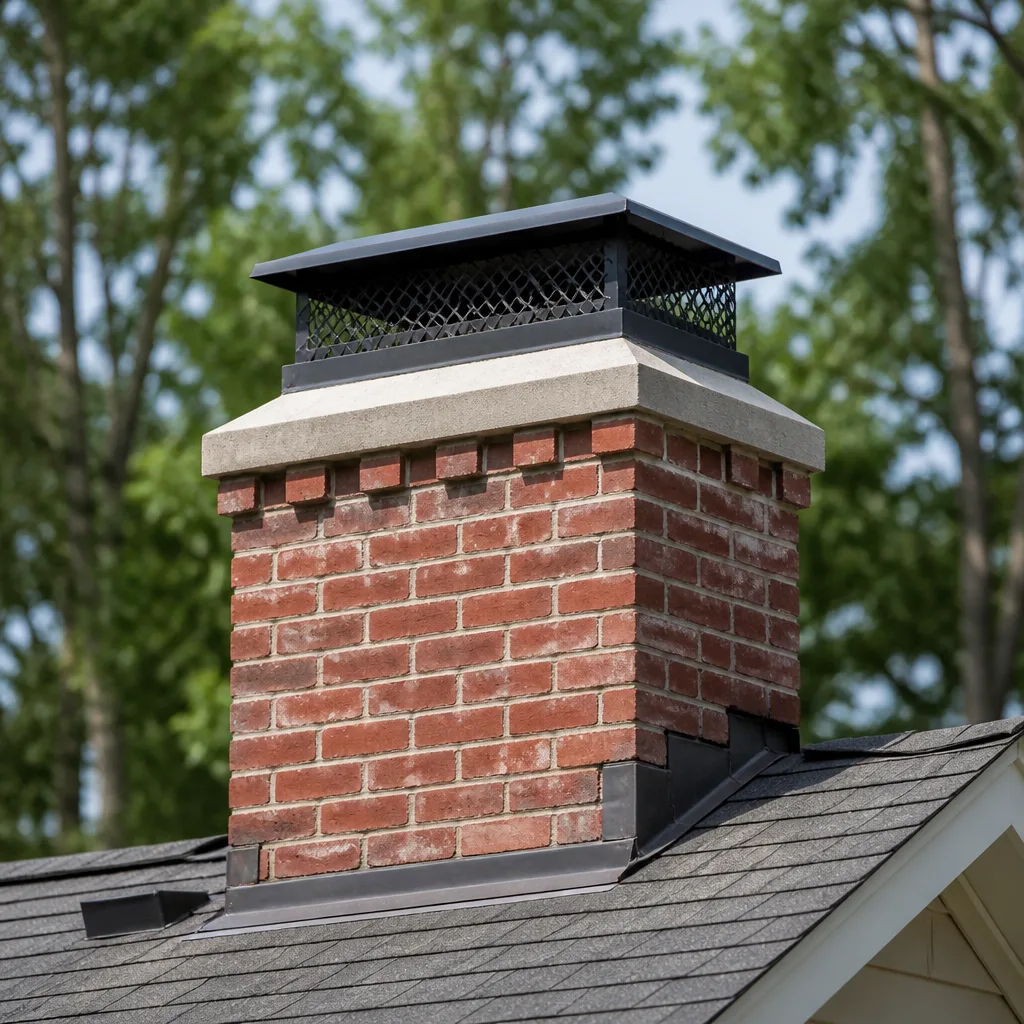 Caps & crowns
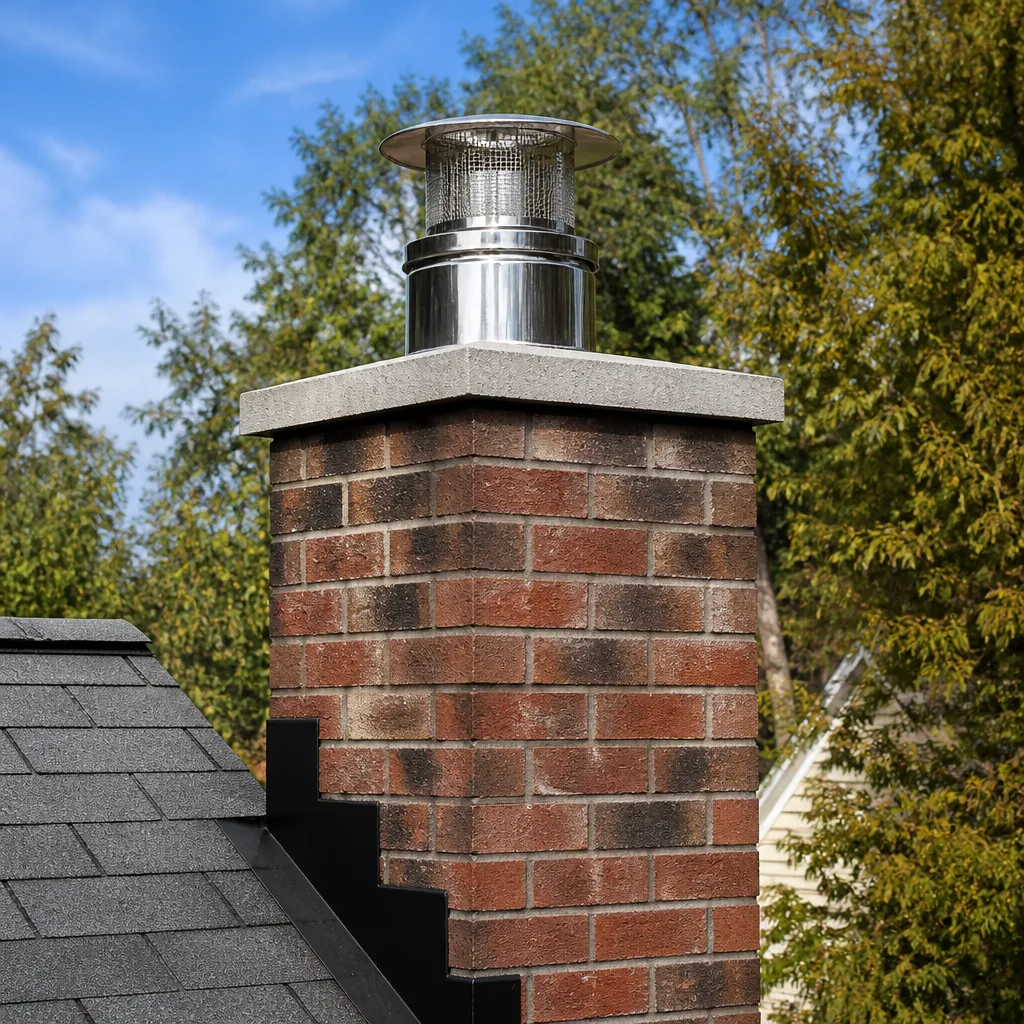 Flue relining
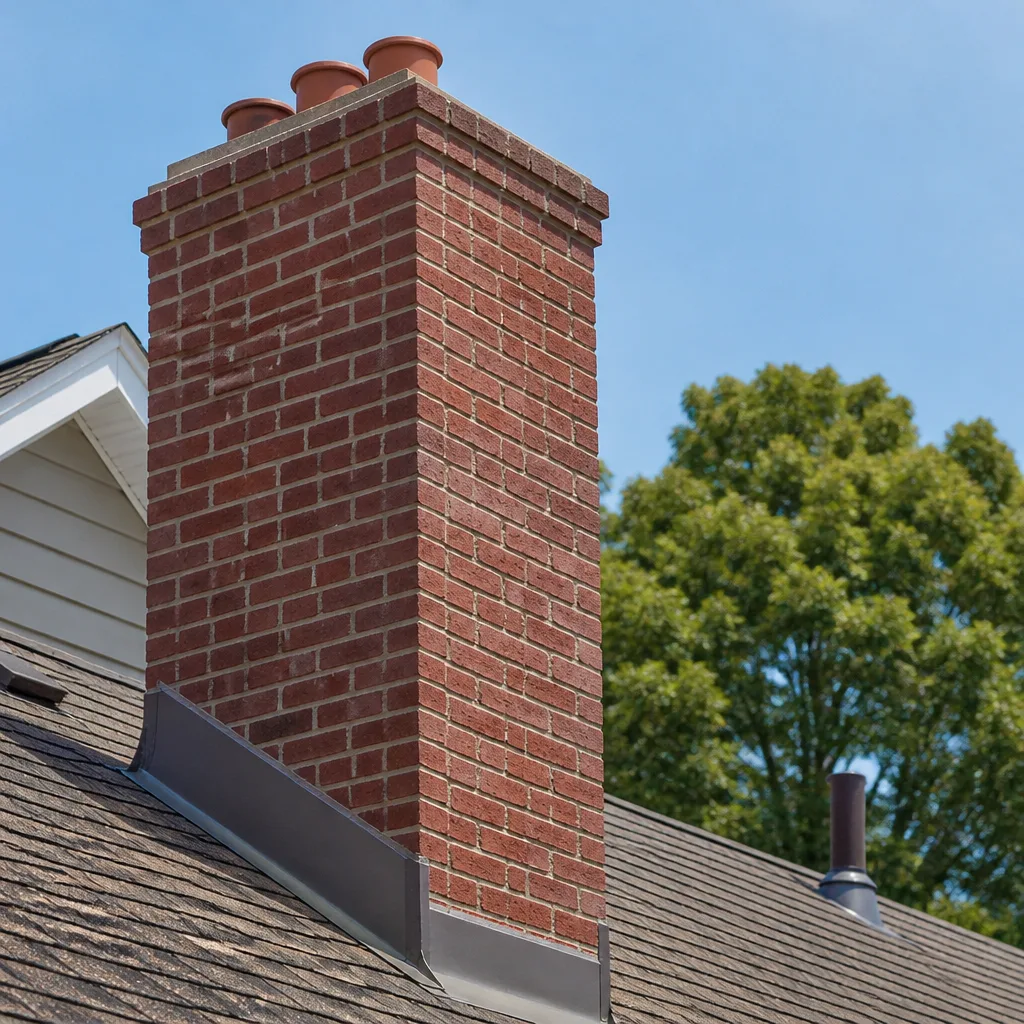 Masonry repair
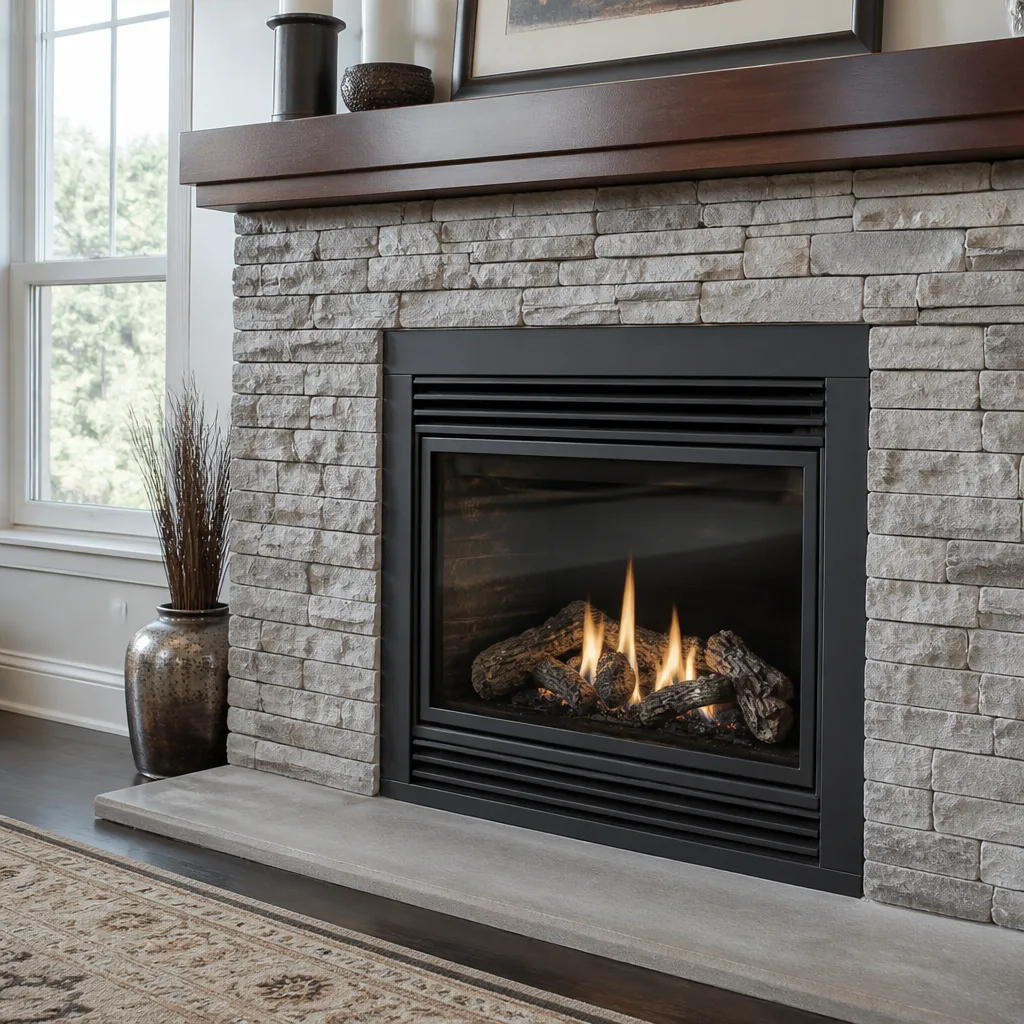 Gas fireplace service
Level 1 sweep and inspection to the NFPA 211 annual standard - flue, crown, cap, and flashing checked and photographed
Chimney sweep logs do not sweep chimneys. They loosen some creosote - which then falls where a brush and vacuum still have to collect it.
DIY vs Professional Chimney Cleaning: The Ballard Homeowner’s Decision Guide
Here’s the part most cleaning guides skip: a chimney brush removes soot, but it doesn’t tell you whether your liner has a hairline crack, your crown is quietly soaking up water, or your smoke shelf is packed with creosote that could feed a fire. Those problems are what actually cause chimney fires, and none of them show up on a brush. In Ballard, where a lot of houses are older and the wet winters put real stress on masonry, the question isn’t whether you’re handy enough to push a brush up a flue. It’s whether you or anyone cleaning that flue can accurately read what they’re looking at. This guide draws the line clearly: where DIY makes sense, where it doesn’t, and how to use home maintenance between professional visits instead of in place of them.
Quick Answer
DIY chimney cleaning is reasonable only for a narrow case: a straight flue, single-story roof access, a wood-burning fireplace with light annual use, and stage-1 creosote that you can see is soft and flaky. In every other situation, and any time you can’t see the full flue or aren’t sure what you’re looking at, a professional sweep is the right call. In Ballard, our technicians have up to 9 years of experience, and we inspect before we recommend, so you get a real assessment rather than just a brushed flue.
Styles & brands we work with
- Sweep & inspection
- Caps & crowns
- Flue relining
- Masonry repair
- Gas fireplace service
Table of Contents
- What DIY Chimney Cleaning Actually Can and Cannot Do
- When DIY Is a Reasonable Choice
- When DIY Is the Wrong Call
- The Real Cost and Reality of a DIY Setup
- Creosote Stages and Why They Change the Answer
- Using DIY Maintenance Between Professional Visits
- What Makes Ballard Chimneys a Little Different
- Why the Inspection Matters More Than the Scrubbing
What DIY Chimney Cleaning Actually Can and Cannot Do
It helps to separate two jobs that people blur together.
- Soot and creosote removal. This is what a brush does. On a straight, sound flue you can do this yourself with the right brush and rods.
- System assessment. This is what a sweep plus inspection does. It means checking the flue for cracks, checking the crown and cap for water damage, confirming the liner is intact and correctly sized, and looking at the firebox and damper.
A brush handles the first thing. It says nothing about the second. And the second is where chimneys actually fail. A liner with a hairline crack can let heat and carbon monoxide reach framing, and brushing it makes it look clean without making it safe. A crown that’s absorbing water can let moisture into masonry that freezes and spalls over a Ballard winter. A partially blocked smoke shelf can push smoke back into the room even though the flue above it is spotless.
That’s the core of the decision. DIY cleaning is a maintenance action, not a safety check. If you go in understanding it that way, it can be genuinely useful. If you treat a brushed flue as a clean bill of health, you’ve skipped the part that matters most. We tell Ballard homeowners the same thing: a clean chimney is a safe chimney only when someone has actually confirmed the system is sound. Cleaning without looking is just making it shinier.
There’s a practical limit to how much you can see, too. From the roof you can glance down a straight flue, but you can’t inspect the full run, the liner joints, or the smoke chamber. That visibility gap is why even careful DIYers who brush every year still benefit from a professional look now and then. The brush and the camera answer different questions.
When DIY Is a Reasonable Choice
DIY works for a specific kind of chimney and a specific kind of homeowner. If you can tick every box below, brushing your own flue between professional visits is defensible.
- Straight flue with no offsets. No elbows, no jogs, no bends. A straight shot means a standard brush reaches the full run and you can check it from above and below.
- Single-story access with a safe roof or a clean-out door. If getting to the top means climbing a steep, wet pitch, stop there. A fall risk is not worth a brushed flue.
- Light annual wood use. A fireplace you run a handful of times each winter on dry, seasoned wood builds far less creosote than a house that heats with wood.
- Stage-1 creosote only. Soft, flaky, soot-like deposits you can brush away. Not glazed, not tar-like.
- No liner uncertainty. You know the liner’s type and condition, and it’s intact. If you don’t know, you’re not in this category.
- You’ll still book a professional inspection periodically. DIY maintenance supplements professional assessment. It doesn’t replace it.
Notice that “I’m handy” isn’t on the list. Skill matters less than the shape of the chimney and what’s inside it. A careful homeowner with a straight flue and a sound liner can do a fine job brushing soot. A very skilled homeowner with an offset flue and a hidden crack in the liner is still flying blind. In our experience around Ballard, the houses that suit DIY best tend to be one-story homes with simple straight chimneys and fireplaces used for occasional evening fires rather than daily heat.
One more condition that’s easy to miss: your own honesty about your roof. A flue isn’t a difficult roof to work from only if the roof is dry and the pitch is gentle. Ballard’s wet season makes a lot of roofs slick for months at a time, and a small slip at the top of a chimney isn’t recoverable.
When DIY Is the Wrong Call
Some chimneys should not be self-cleaned, full stop. Each condition below makes DIY inappropriate not because homeowners are careless, but because the tools simply cannot reach or assess the problem.
- Any offset or bend in the flue. A straight brush can’t navigate a jog, and the creosote tends to collect right at the turn where you can’t see it.
- Gas inserts and gas fireplaces. Gas appliances vent differently and need to be checked for correct venting and clearances, not just brushed. This is a job for someone trained to read the venting.
- Stage-2 or stage-3 creosote. Glazed or tar-like deposits don’t come off with a brush. They need professional removal techniques, and forcing a brush through glazed creosote can chip the liner.
- Any uncertainty about the liner. If you don’t know whether your liner is intact, correctly sized, or even present, stop. Cleaning a compromised liner is exactly the scenario that punishes assumption.
- Heavy use or burning unseasoned wood. High-volume use and wet wood build creosote faster than a brush can keep up with and faster than annual brushing assumes.
- A masonry chimney with visible spalling, cracked mortar, or staining. Water damage and structural weakness need professional diagnosis before anyone works in or around the flue.
If your chimney falls into any of these, the decision isn’t really DIY vs professional. It’s whether a professional looks at the whole system, top to cap, and tells you what’s actually there. Our technicians have up to 9 years of experience reading these exact conditions, and we inspect before we recommend. That first look is what separates a safe chimney from a clean-looking one.
We’ll say the safety part plainly because it’s the reason the line exists. Creosote buildup is a leading fuel in chimney fires, and a cracked or failed liner can let carbon monoxide reach living space. Those are the real risks behind a thorough sweep. We never want to scare-sell anyone, and we won’t. But if your chimney hits one of the conditions above, the honest answer is that brushing it yourself doesn’t address what makes it unsafe. Call chimney sweep help rather than guessing at it.
The Real Cost and Reality of a DIY Setup
A proper DIY chimney cleaning setup runs roughly $150 to $300 once you buy everything. That buys a decent brush sized to your flue, a set of rods, and basic safety equipment. It’s a reasonable one-time spend if you’ll use it for years of light annual cleaning on a simple chimney.
Here’s what that setup doesn’t come with:
- Any inspection data. A brush leaves no record of what your liner, crown, cap, or smoke chamber actually look like.
- A camera view of the full flue. You get whatever you can see by eye from the roof and the firebox.
- Confirmation that the creosote you brushed was stage 1 and not a thin coat hiding glazed deposits deeper in.
- An assessment of water intrusion or structural wear.
That last one matters a lot in Ballard, where wet winters work on crowns and masonry all season. A DIY setup cleans. It doesn’t diagnose. And diagnosis is the part that catches problems early, before they turn into real repair work.
By comparison, a professional sweep and inspection is a per-job estimate that includes camera inspection and a photo report you keep. Those photos are the honest part. They show you the creosote, the liner, the crown, and the cap, and they let you decide with evidence rather than a sales pitch. That’s worth weighing against the DIY setup cost, because the $150 to $300 buys you a brush and rods, while a professional visit buys you a record of what’s happening inside the chimney you rely on for safety.
There’s also the repair side to consider. If a DIY attempt does find a problem, you’ll want someone who handles the full chimney rather than only cleaning, and who uses professional-grade materials like DuraFlex flexible liner systems or HeatShield for firebox and flue restoration. We work with those brands because they’re the same materials certified chimney professionals specify industry-wide. A generalist with a brush doesn’t carry that scope.
Creosote Stages and Why They Change the Answer
Creosote has three widely recognized stages, and the stage decides whether brushing is even the right tool.
- Stage 1: soot and soft flaky deposits. This comes off with a standard brush. It’s the only stage where DIY brushing is appropriate.
- Stage 2: hard, crusty, sometimes glazed deposits. A brush may scratch the surface but won’t remove it. These need professional removal techniques.
- Stage 3: tar-like, glazed creosote. Baked onto the flue, tough to remove, and the most concerning for fire risk. This is squarely professional territory.
The trouble is you can’t reliably tell a light stage-2 from stage-1 by eye from the roof, and you almost never see stage-3 developing until it’s thick. The difference between “brush it and you’re fine” and “brushing it is the wrong tool” is a judgment call that comes from experience with both. Our technicians have up to 9 years of experience making exactly that call.
What makes creosote build faster? Cool flue temperatures, wet or unseasoned wood, and restricted air flow. Ballard winters encourage all three because a lot of homeowners close the damper down to slow a fire, which cools the flue and lets creosote condense. If you run your fireplace that way, your creosote can build faster than an annual light-use schedule assumes. That’s a strong argument for an inspection that reads the actual stage, rather than a brush and a hope.
Using DIY Maintenance Between Professional Visits
The most responsible use of DIY is as maintenance between professional visits. Here’s a simple pattern our Ballard neighbors can follow.
- Book an annual professional sweep and inspection. Get the camera view and the photo report. This is your baseline for the year.
- Burn dry, seasoned wood. Wet wood is a creosote factory. Dry wood keeps deposits light and brushing easy.
- Brush between visits only if you’re in the DIY-appropriate category. Straight flue, single story, stage-1 only, sound liner.
- Watch for signs that mean stop and call. Smoke rolling back into the room, a strong creosote smell, staining on the chimney exterior, or crumbling mortar all mean a professional needs to look.
- Never reduce your professional inspection to zero just because you brush. The brush and the camera do different jobs, and the camera is the one that catches trouble early.
That pattern keeps your chimney clean and keeps an expert eye on it. DIY does the routine brushing. Professional assessment does the looking. Neither replaces the other.
The distinction is why we tell people we inspect before we recommend. If the camera shows your system is sound and your creosote is light, we’ll tell you so, and home maintenance between visits is a fine plan. If it shows a liner issue or water damage, you’ll hear it with the photos in front of you, and you can decide what to do without pressure. That’s the model that actually protects a Ballard home.
What Makes Ballard Chimneys a Little Different
Ballard has a lot going for it as a neighborhood: walkable streets, older houses with real character, and a steady supply of chimneys that have been quietly working for a long time. Those older masonry chimneys are exactly the ones most likely to show water intrusion and crown wear, because they’ve had many wet winters to absorb moisture.
A few local factors matter for the DIY question:
- Wet winters. Months of rain work on crowns and masonry. A soft or cracked crown lets water in, and water damage is a professional diagnosis, not a brushing job.
- Older housing stock. Older chimneys often have unknown liner history. If you don’t know your liner’s condition, you’re automatically in the “professional first” category.
- Fireplaces used for ambiance more than heat. A lot of Ballard homeowners light a fire for the evening rather than heating with wood. That tends to mean lighter creosote, which is good, but it also means a chimney can sit unexamined for years if nobody looks.
None of that makes Ballard chimneys unusual problems. It just means the “professional first” rule earns its keep here. The water-intrusion risk on older crowns and the unknown-liner reality on older homes are the two things that most often push a Ballard chimney out of the DIY category. If your home has a chimney cap that’s cracked, missing, or absent, that’s the first thing worth looking at, and our chimney cap & crown work covers exactly those components.
Why the Inspection Matters More Than the Scrubbing
If you take one idea from this guide, take this: the inspection is the valuable half of the visit, not the scrubbing. A brush cleans. An inspection tells you whether the system is safe to use.
A real inspection looks at the whole chimney from the firebox to the cap. That includes the flue and liner, the smoke chamber and damper, the firebox, the crown and cap, and the exterior masonry. A camera inspection with a photo report leaves you with evidence you can see for yourself, which matters if you’ve ever been told your chimney needs thousands of dollars of work you had no way to verify. Nothing we recommend happens without that evidence in front of you, and if the work can safely wait, we say so.
That’s why the decision comes down to assessment, not skill. A homeowner with a straight flue and a sound liner can brush soot just fine. What they can’t do is confirm the liner is sound, read the creosote stage, or spot water damage in a crown. Those are the things that turn a cleaning into a real safety judgment.
For the firebox and the structural side, professional-grade materials matter. HeatShield is used for firebox and flue restoration without full demolition, and Copperfield components show up in cap and venting work because they’re built for the job. Those are the parts that let a full-service provider manage the whole chimney rather than hand off pieces to subcontractors. The point isn’t brand name-dropping. It’s that a chimney is one system, and the materials need to match the work.
Common Mistakes to Avoid
- Treating a brushed flue as an inspected flue. Cleaning and assessment are different jobs. A spotless flue can still hide a cracked liner, so don’t stop at clean.
- Brushing glazed creosote. Stage-2 and stage-3 deposits don’t come off with a brush, and forcing one through can damage the liner. Stop and call a professional if you see crusty or shiny deposits.
- Working a slick, steep roof. Ballard’s wet season makes roofs slick for months. If access isn’t safe, don’t force it. A brushed flue isn’t worth a fall.
- Guessing at your liner. If you don’t know your liner’s type or condition, you’re in professional-first territory. Don’t clean a liner you can’t confirm is sound.
- Skipping the crown and cap. Water intrusion starts at the top. A cracked crown or missing cap is a slow leak into masonry, and it’s easy to ignore if nobody looks.
- Burning wet or unseasoned wood to save money. It builds creosote far faster than dry wood and turns a light-use chimney into a heavier one. Dry wood is the cheapest maintenance there is.
- Replacing professional inspections with DIY entirely. Brushing is fine between visits. Going a whole year with no camera inspection means nobody is checking the parts a brush can’t reach.
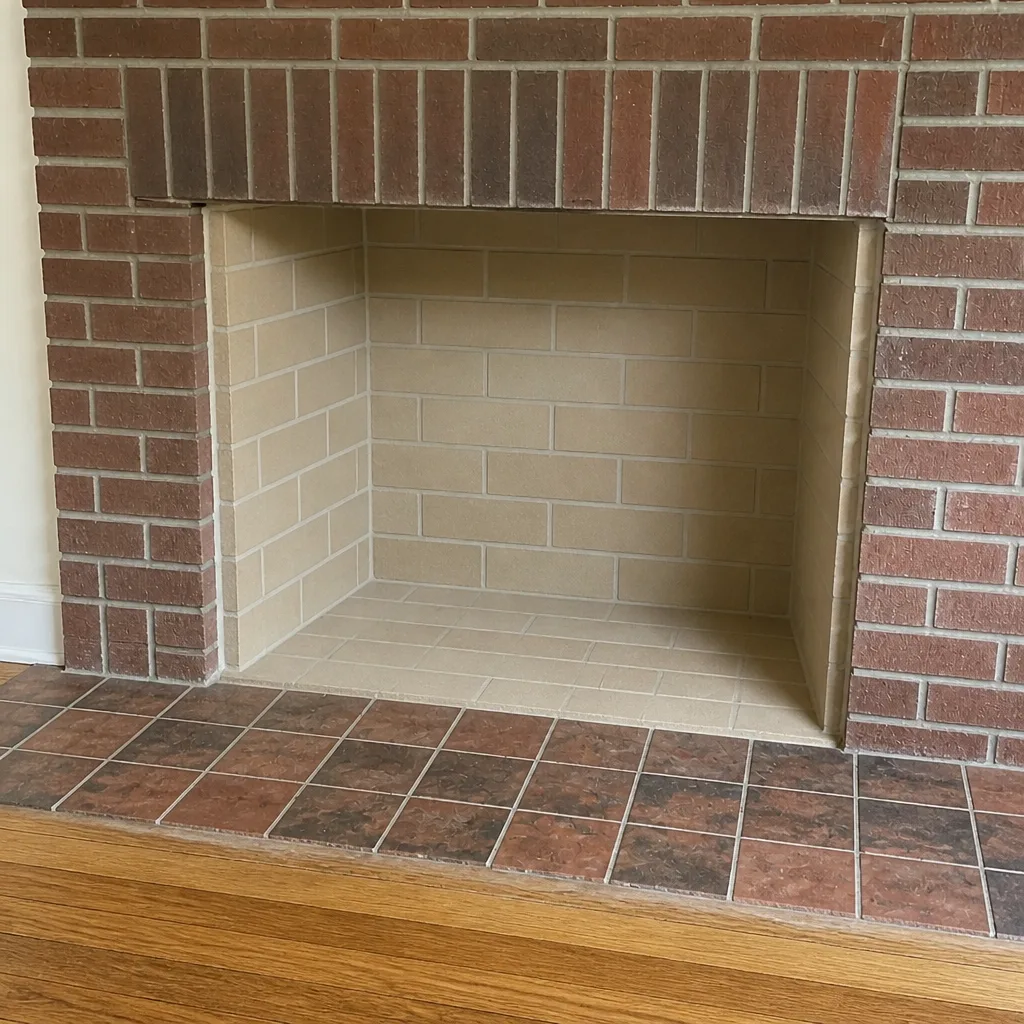
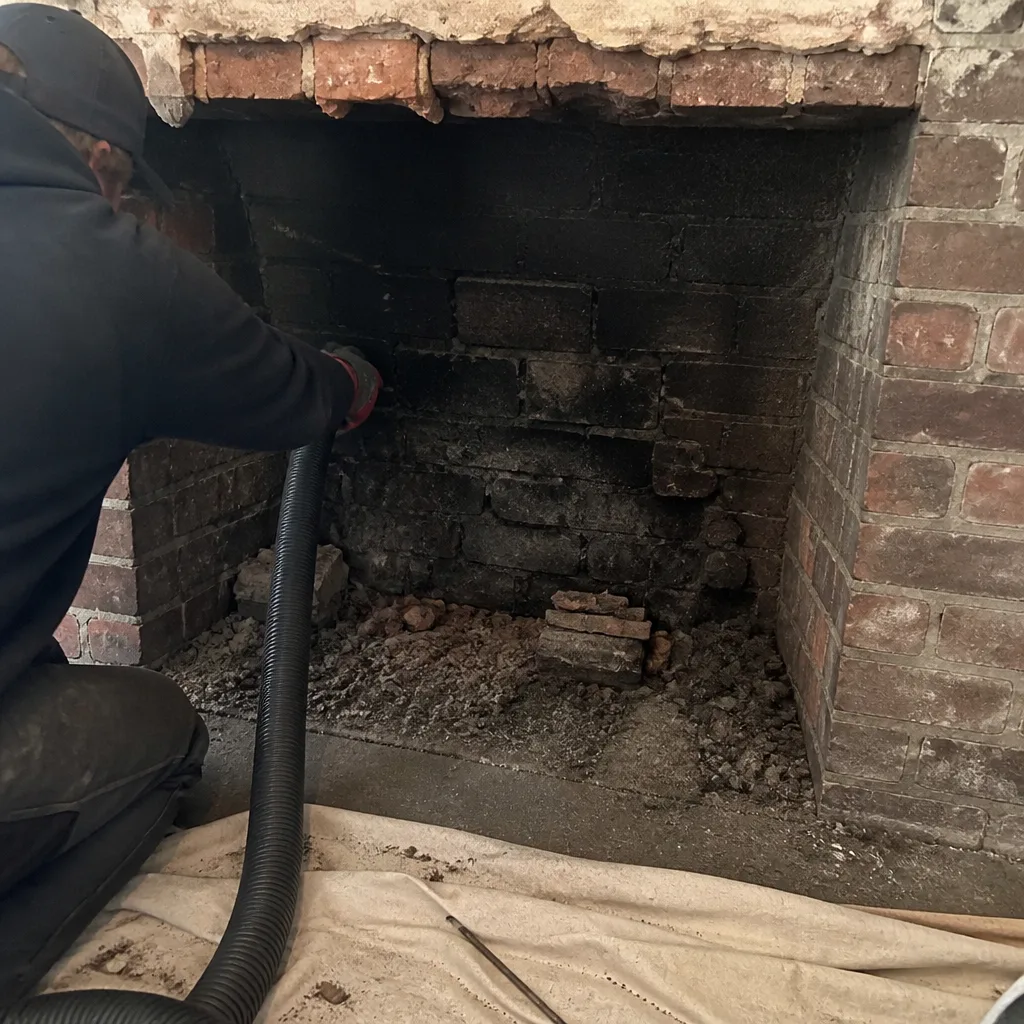
See the difference
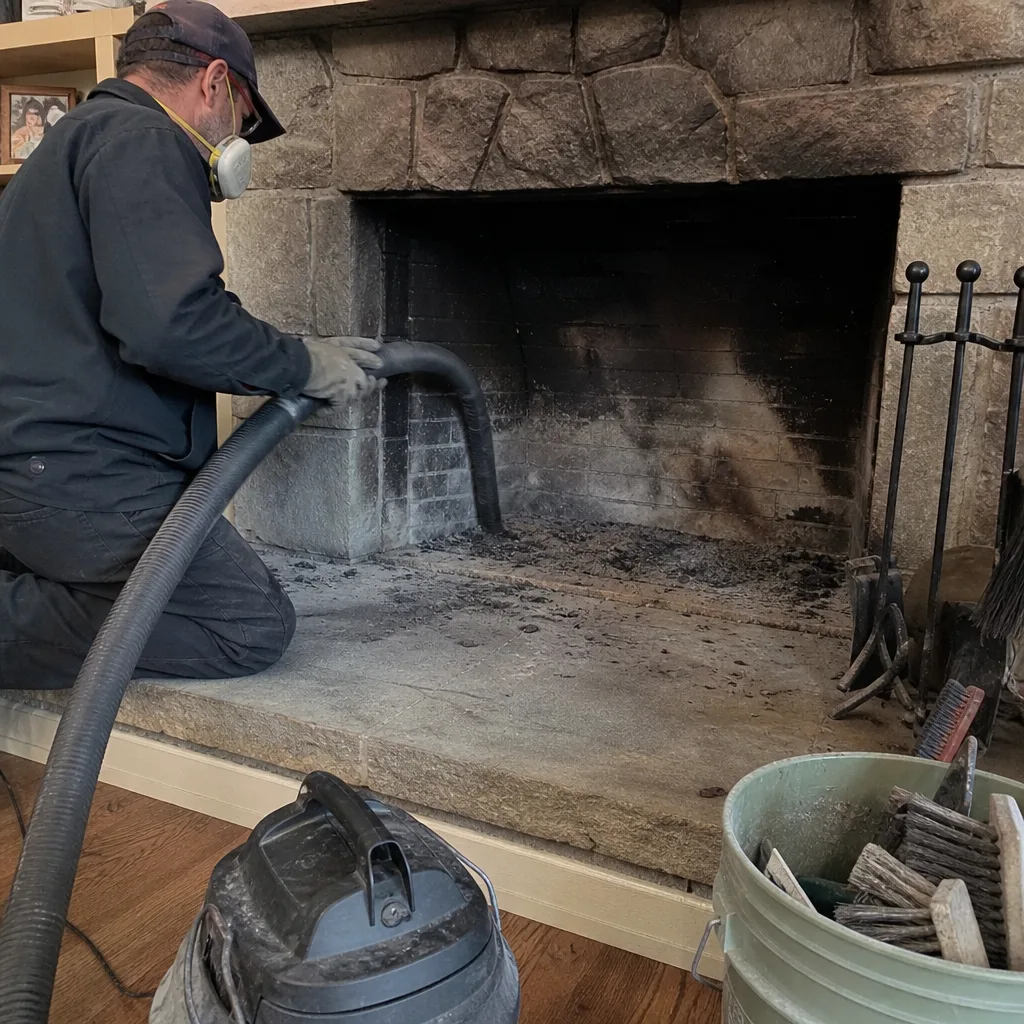 Before
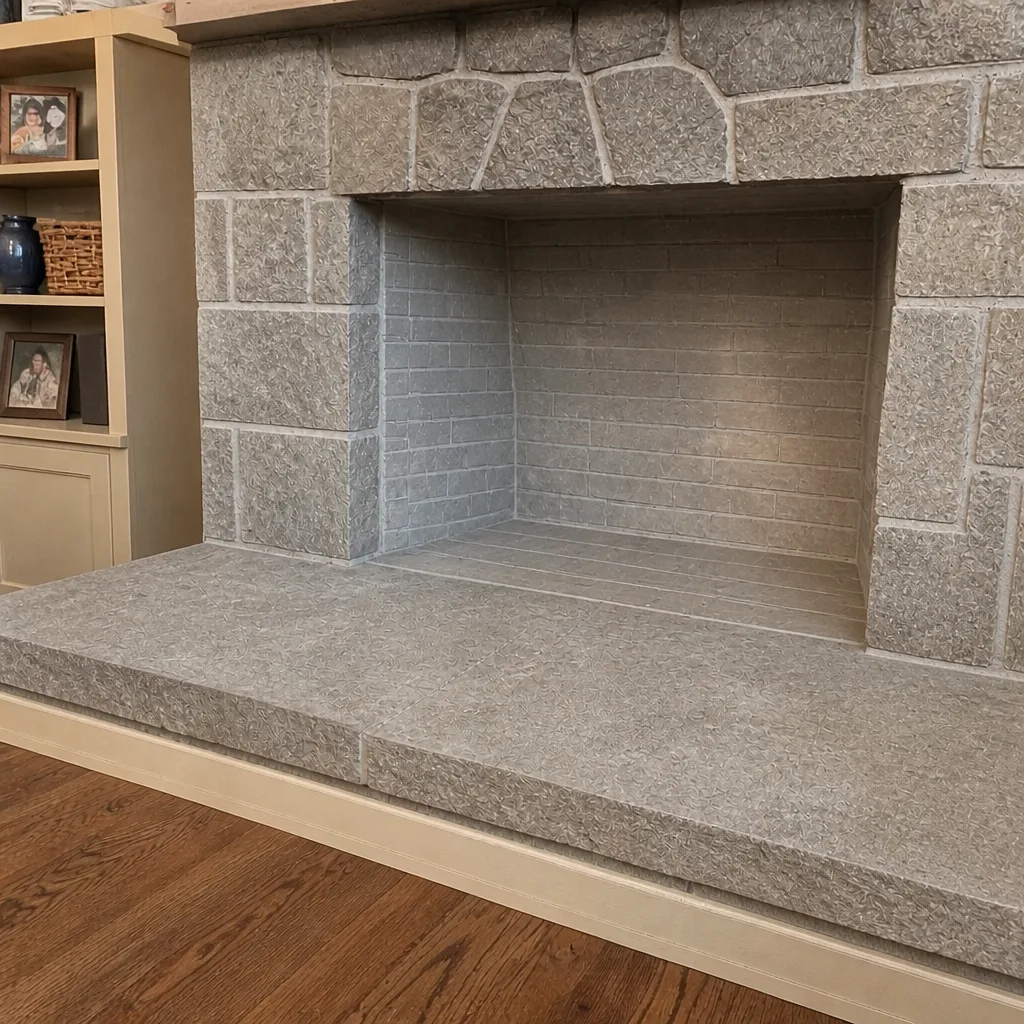 After
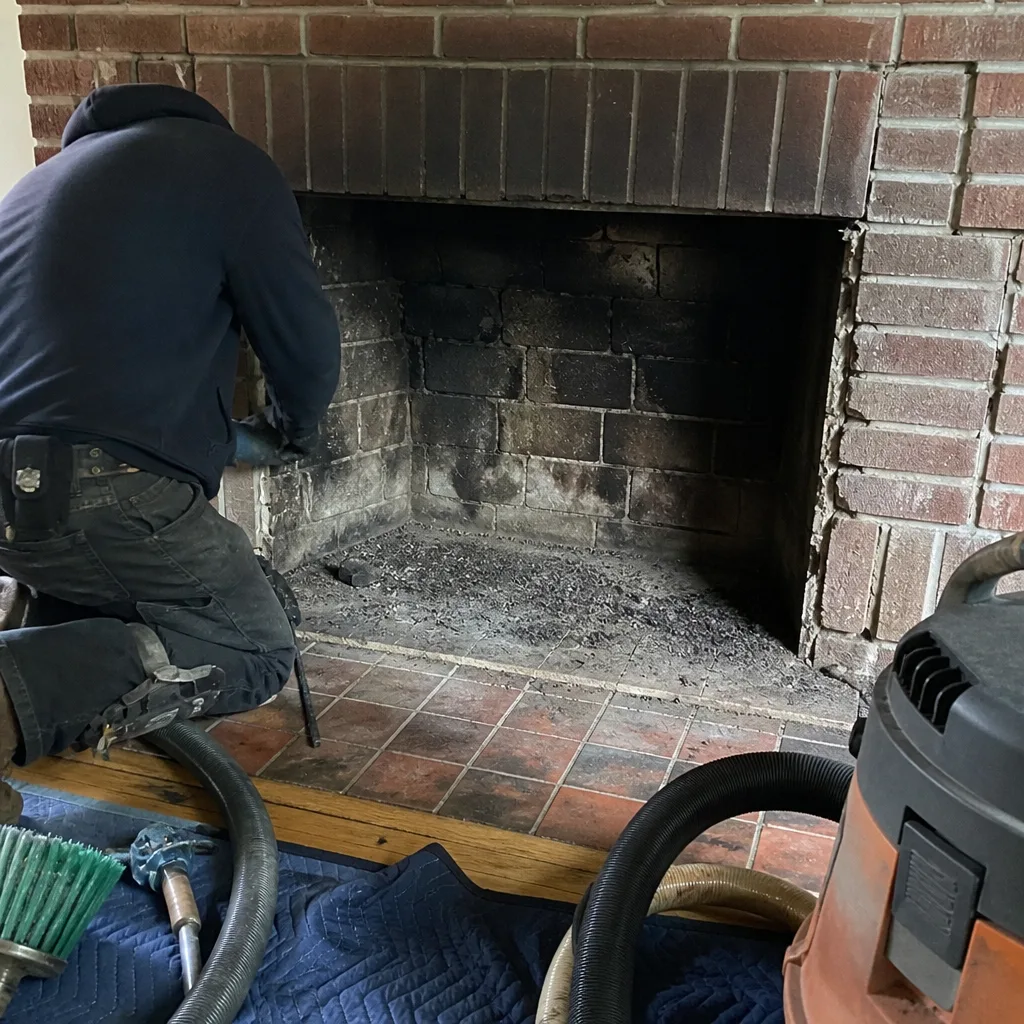 Before
 After
 Before
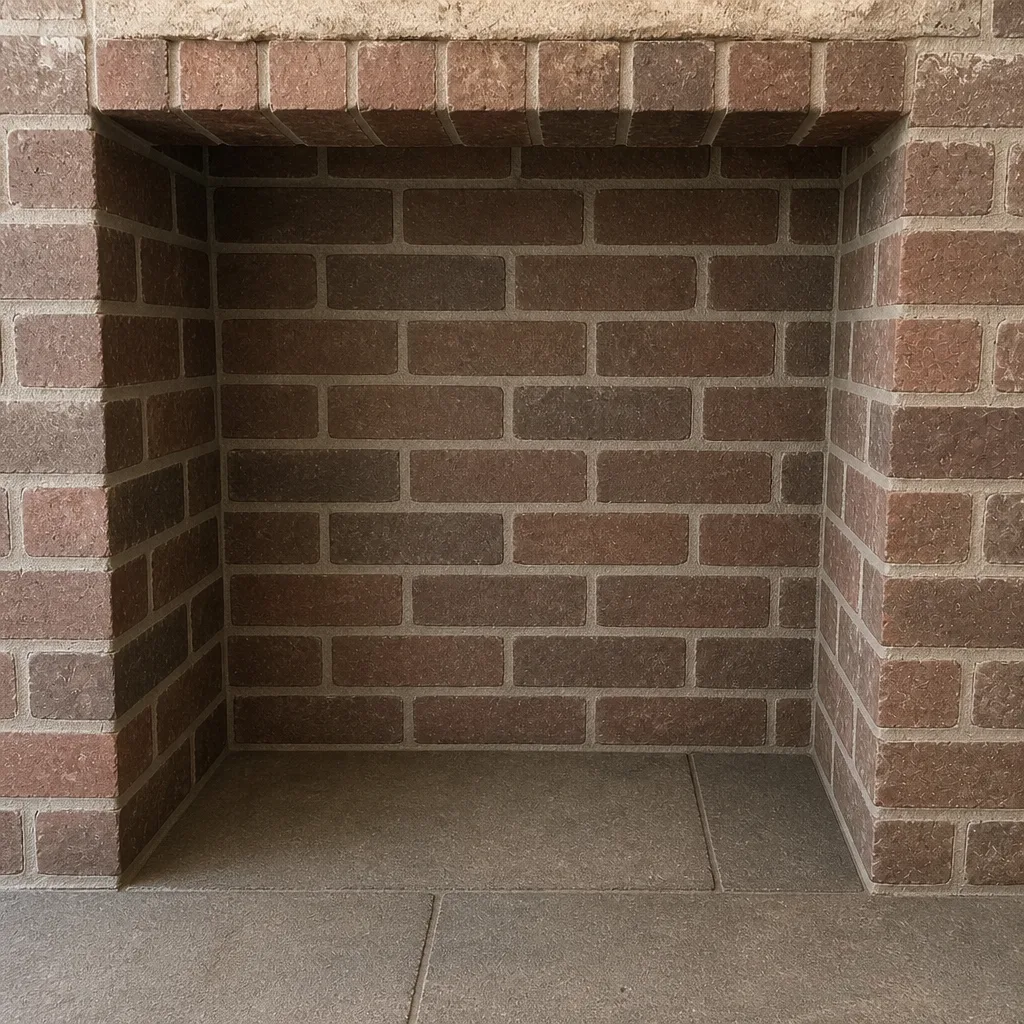 After
When to Call a Professional
Call a professional if your chimney has any offset or bend, a gas insert, glazed or hard creosote, an unknown liner, visible water damage, or a crown that’s cracked or soft. Call if you can’t safely reach the roof, if you smell smoke in the room, or if you’ve never had the chimney inspected and you don’t know its condition. For a lot of Ballard homes, “I’m not sure” is the most common and the best reason to call. You don’t have to have a problem; you just have to not know what’s up there. Chimney Sweep Ballard offers free estimates in Ballard, so there’s no reason to guess. We inspect before we recommend, the local pro is licensed and insured as their state requires, and the written estimate sets the price before any work begins. Call (844) 405-4527 to book a look.
Frequently Asked Questions
Yes, if your chimney is a straight flue with single-story access, light annual use, stage-1 creosote, and a liner you know is sound. If any of those conditions is missing, a professional sweep is the right call. The deciding factor isn’t skill with a brush; it’s whether you can accurately assess what you’re cleaning.
A brush sized to your flue, a set of rods, and basic safety gear, and a proper setup runs about $150 to $300. That covers soot removal. It doesn’t include a camera inspection, so you get no data on the liner, crown, or smoke chamber. If you need to know what’s happening inside the system, that’s a professional sweep and inspection with a photo report.
Yes, because brushing doesn’t reveal what a camera does: hairline liner cracks, water intrusion, or glazed creosote deeper in the flue. In our experience, chimneys that get brushed but never inspected are the ones most likely to have a problem that went unnoticed. An annual inspection is the safety half of the work, and the photo report gives you something you can actually see.
Stage-1 creosote is soft and flaky and brushes off easily; stage-2 is hard and crusty or glazed and doesn’t come off with a brush. The catch is that from the roof you often can’t tell the difference reliably, especially deeper in the flue. If you see shiny or tar-like deposits, stop and have a professional assess it. Our technicians have up to 9 years of experience reading creosote stages, and they’ll tell you what they see.
Yes, as long as the chimney has been inspected and found sound, and you’re burning dry, seasoned wood. Staying on top of deposits and watching for smoke rollback or a strong creosote smell keeps you safe between visits. If anything changes, a professional look settles it.
We handle the whole chimney, top to cap, including chimney cap and crown work and structural chimney repair. That means you don’t have to hand off pieces to subcontractors. Our fireplace repair work and our crown and cap work use professional-grade materials like Gelco and Copperfield components because they’re built for the job. If you just need an inspection and everything’s sound, we’ll tell you that too.
The Bottom Line
DIY chimney cleaning is reasonable for a straight flue, single-story access, light wood use, stage-1 creosote, and a liner you know is sound. Outside that narrow set, the right move is a professional sweep with a camera inspection, because a brush cleans but doesn’t assess, and the things that cause chimney fires are the things a brush can’t see. Use DIY as maintenance between professional visits, not as a replacement for them. In Ballard, our technicians have up to 9 years of experience and we inspect before we recommend, with a photo report that puts the evidence in your hands. Chimney Sweep Ballard connects you with a local pro who is licensed and insured as their state requires, and the written estimate sets the price before any work starts.
Ready to know what’s really inside your chimney? Call (844) 405-4527 for a free estimate. We answer 24/7. Fast dispatch from 7am to 7pm, Sunday through Friday.
Written by the team at Chimney Sweep Ballard.